featured News

An Italian court has ruled that the proposed 3,666-metre suspension bridge linking Sicily to mainland Italy violates EU environmental and tender regulations, casting a major setback for Prime Minister Giorgia Meloni’s flagship infrastructure project. The Court of Auditors said the government failed to justify overriding environmental concerns involving coastal and marine ecosystems in Sicily and Calabria.

The project—debated for over 50 years—has long divided the country, with supporters arguing it would boost the economy and strengthen transport routes, including for NATO forces. Critics, however, warn of environmental risks, high costs, and seismic dangers. The judges also pointed out major discrepancies in project financing, noting that the new estimated cost of €13.5 billion is more than triple the original projection, potentially requiring a fresh tender under EU rules.

Despite the ruling, the government insists it remains committed to the bridge. Infrastructure Minister Matteo Salvini, a key backer, said the concerns can be addressed, while the Eurolink consortium selected to build the bridge expressed confidence in the project’s future. If clarifications fail, the government may attempt to override the objections through a cabinet vote, a move that could ignite further legal battles.

Pic Courtesy: google/ images are subject to copyright

featured News

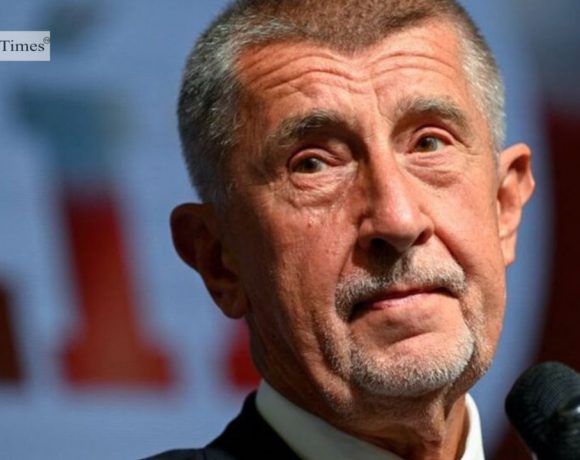
Czech ANO party leader Andrej Babis has said he will publicly reveal how he plans to restructure his extensive business assets just before his expected appointment as prime minister. The announcement aims to address concerns raised by President Petr Pavel, who insists Babis must clarify his intentions to resolve conflicts of interest before forming a new government with two right-wing parties, including the far-right SPD.

Babis, a billionaire with business interests spanning agriculture, chemicals, and healthcare, faces legal restrictions that bar government officials from owning companies receiving state or EU subsidies. While he has ruled out selling his flagship holding, Agrofert, he claims he will meet both Czech and EU rules—though he has not disclosed details. His previous attempt, placing companies into trust funds during his 2017–2021 term as prime minister, was ruled insufficient by Czech courts and the European Commission.

Legal experts and anti-corruption groups argue that the only clean solutions are selling his businesses, forgoing subsidies and public contracts, or staying out of government entirely. Despite his alliances with Europe’s far-right, Babis says he remains committed to keeping the Czech Republic firmly within the EU and NATO, even as he challenges EU climate and migration policies.

Pic Courtesy: google/ images are subject to copyright