
featured News

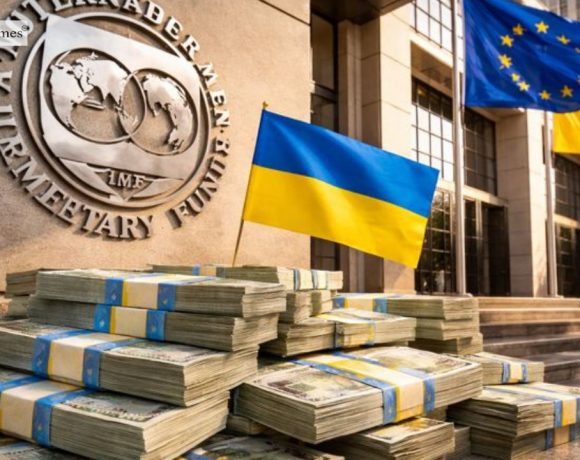
The International Monetary Fund (IMF) welcomed the European Union’s decision to lend €90 billion ($105 billion) to Ukraine over the next two years, calling it a key step toward closing financing gaps and restoring debt sustainability. The EU opted to borrow funds for this loan rather than use frozen Russian assets, providing crucial support to Ukraine, which has relied heavily on donor aid since Russia’s full-scale invasion in 2022 disrupted its economy.

The IMF has highlighted that additional measures are needed before approving Ukraine’s new $8.1 billion lending programme. These include implementing a program-consistent budget for 2026, broadening the tax base, promoting anti-corruption reforms, and securing financing assurances from international donors. The Fund estimates Ukraine will need around €135 billion ($158.57 billion) for 2026–2027, with the interest-free EU loan covering roughly two-thirds of these needs.

Despite the new financial support, Ukraine faces ongoing economic pressures as the war continues to drain resources. Finance Minister Sergii Marchenko emphasized the importance of implementing a Reparations Loan, while the country plans to allocate about 27% of its GDP, or 2.8 trillion hryvnias, to defence spending in 2026. The IMF reaffirmed its commitment to working with international donors to ensure sustainable financing for Ukraine.

Pic courtesy: google/ images are subject to copyright
featured News Trending

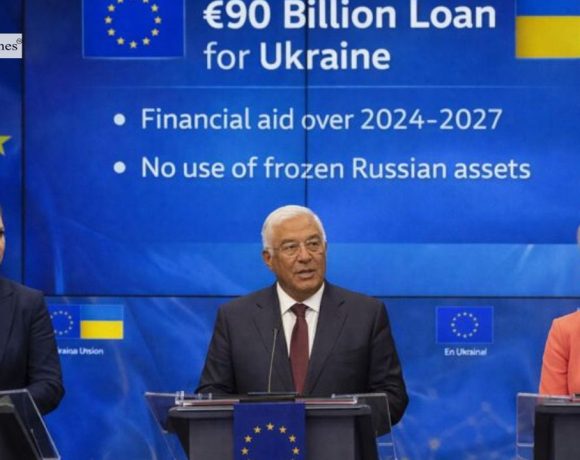
European Union leaders have agreed to provide Ukraine with a €90 billion loan to support its military and economic needs over the next two years, following intense negotiations at a summit in Brussels. The funding will be backed by the EU’s common budget after member states failed to reach consensus on using frozen Russian assets. European Council President Antonio Costa said the deal demonstrated unity and commitment, calling it a delivery on promises made to Kyiv.

Ukrainian President Volodymyr Zelensky had pushed for the use of around €200 billion in frozen Russian assets, most of which are held in Belgium. However, concerns over legal risks and liability-sharing prevented agreement, with Belgium seeking guarantees that other EU countries were unwilling to provide. While expressing gratitude for the loan, Zelensky stressed that Russian assets should remain immobilised and said the support would significantly strengthen Ukraine’s resilience at a critical time.

The loan offers a vital lifeline as Ukraine faces a looming cash crunch, with EU estimates suggesting the country needs €135 billion over the next two years and could begin running short of funds by April. European leaders said the agreement avoided division within the bloc, while Germany’s Chancellor said it sent a strong signal to Moscow. The decision comes amid renewed diplomatic efforts, including upcoming US-Russia talks and continued discussions between Ukrainian and US officials on security guarantees.

Pic courtesy: google/ images are subject to copyright