
featured News Trending

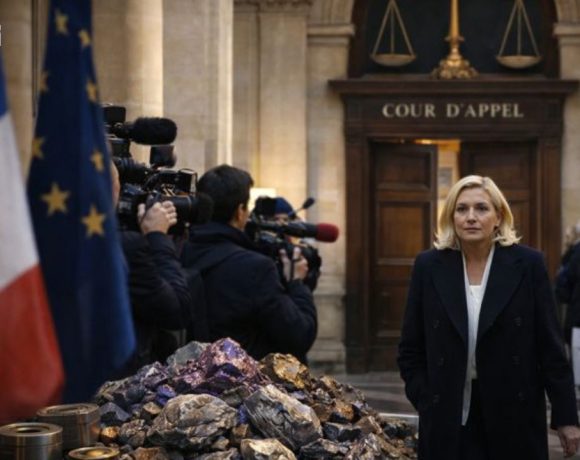
French far-right leader Marine Le Pen has begun a critical appeal in Paris that could determine her eligibility to run in the 2027 presidential election. She was banned from holding public office in March after being convicted, along with eight former National Rally (RN) lawmakers, of misappropriating over €4 million in European Union funds. The case stems from payments made to staff working for the party instead of the European Parliament between 2004 and 2016.

Le Pen maintains that her actions were legitimate and hopes to convince the new panel of judges of her innocence. She also appealed her initial sentence of four years’ imprisonment, with two years suspended and two under home detention, and a €100,000 fine. The appeal hearing, which also involves the RN and ten other co-defendants, is scheduled to conclude on February 12, with a ruling expected before summer.

If the five-year ban is upheld, Le Pen would be barred from contesting the 2027 election. In such a scenario, her protégé, 30-year-old RN party president Jordan Bardella, is expected to lead the party’s presidential bid. The European Parliament is seeking more than €3 million in damages, while the RN must also pay a €2 million fine, half of which has been suspended.

Pic courtesy: google/ images are subject to copyright
featured News

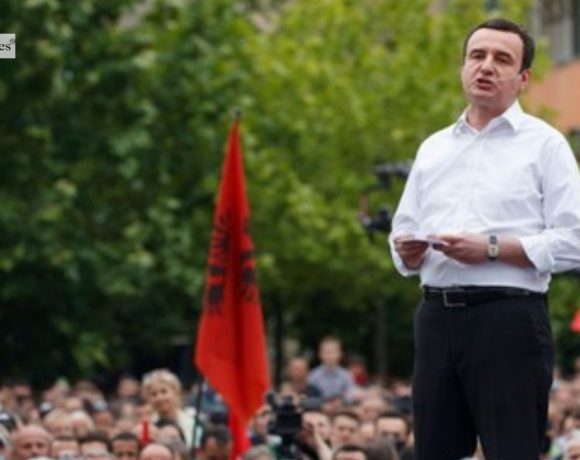
Kosovo will head to the polls on December 28 in a snap parliamentary election after a year-long political stalemate dissolved parliament and deepened the country’s financial strain. Prime Minister Albin Kurti’s Vetevendosje party emerged as the largest force in the previous election but failed to secure a majority or form a coalition, leaving Europe’s newest state without a functioning government. Analysts warn that another inconclusive result could prolong paralysis just months before parliament must elect a new president.

Voters appear frustrated by lawmakers’ inability to break the impasse, while opposition parties remain reluctant to govern with Kurti, accusing him of worsening relations with the ethnic Serb minority, damaging Kosovo’s international standing, and failing to improve living standards. Kurti, however, remains optimistic about winning an outright majority, campaigning on promises of higher salaries, major capital investment, and tougher action against organised crime.

The prolonged deadlock has delayed vital international funding, putting Kosovo’s fragile finances under pressure. Nearly 880 million euros in European Union budget support and 127 million euros from the World Bank remain stalled, with some funds at risk of cancellation if not approved soon by a new parliament. With poverty already widespread and healthcare and education under strain, many fear that another political impasse could jeopardise much-needed aid and deepen public hardship.

Pic courtesy: google/ images are subject to copyright