

featured News Trending

Spain has confirmed two new cases of African swine fever in wild boar outside the initial outbreak area near Barcelona, marking the first spread beyond the original containment zone. Regional authorities in Catalonia said the infections were detected near the western towns of El Papiol and Molins de Rei in the Barcelona metropolitan area, prompting tighter restrictions on the movement of people and livestock.

The initial outbreak occurred in the Collserola hills north of Barcelona — Spain’s first such incident since 1994 — and has so far not affected any pork farms. Catalan agriculture chief Oscar Ordeig said the spread southward was anticipated, noting that wild boar movement made containment challenging. Authorities emphasized that African swine fever does not pose a risk to humans but spreads rapidly among pigs and wild boar.

New measures include intensified disinfection protocols, systematic collection of boar carcasses, drone surveillance, and assessments of wild boar population density in affected areas. Spain, the European Union’s top pork producer, accounts for roughly a quarter of the bloc’s output, with annual exports valued at about 3.5 billion euros. Officials said the latest cases will primarily impact the two affected towns as containment efforts continue.

Pic courtesy: google/ images are subject to copyright
featured News

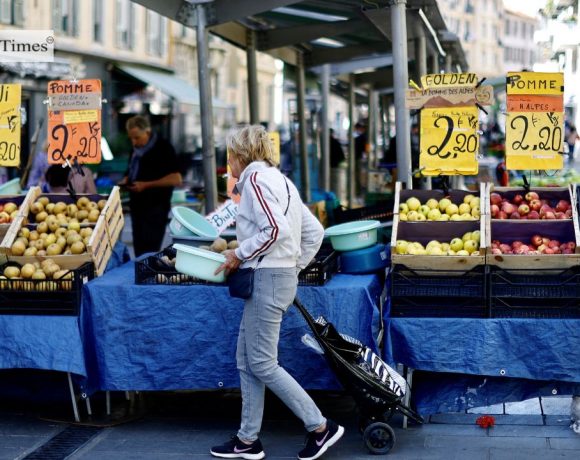
France is on the verge of recording its first annual food and agricultural trade deficit in almost five decades, driven by new foreign tariffs on wine exports and soaring global prices for cocoa and coffee. The country, long considered an agri-food export powerhouse thanks to the EU’s largest farming base, has seen its competitiveness steadily erode amid intensifying global and intra-EU competition. The decline has fueled strong opposition among farmers toward trade agreements like the proposed pact with the Mercosur bloc.

Customs data from the French Agriculture Ministry shows a cumulative deficit of 351 million euros for January to September 2025, following last year’s sharp surplus drop to its lowest level since the 1980s. Despite a significantly stronger harvest this year boosting cereal exports, the sector still posted a trade deficit in September. Analysts warn that temporary challenges, including tariffs from the U.S. and China and a spike in import costs for cocoa and coffee, are only part of the picture.

Industry leaders say deeper structural issues—such as high production costs, regulatory burdens, and slower global marketing efforts compared to competitors like Spain and Italy—have further weakened France’s trade position. As France grapples with these pressures, agricultural organisations argue for urgent reforms to revive competitiveness and rebuild the country’s historic strength in global food trade.

Pic Courtesy: google/ images are subject to copyright