featured News

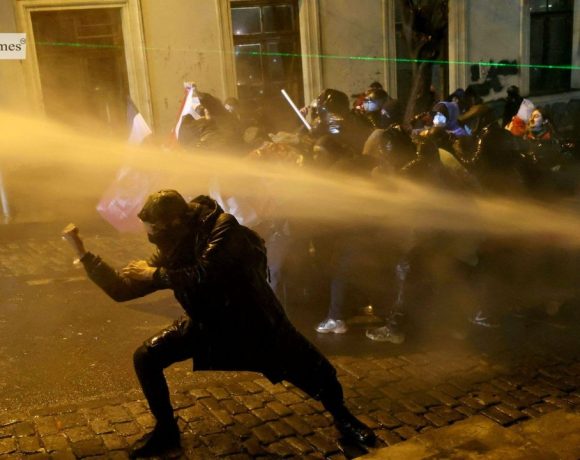
A BBC investigation suggests that Georgian authorities used a World War One–era chemical agent, known as camite, in water cannons during anti-government protests in late 2024. Demonstrators in Tbilisi reported severe burning sensations, difficulty breathing, coughing and vomiting—symptoms that persisted for weeks. Doctors, chemical weapons specialists, and whistleblowers from Georgia’s riot police provided evidence pointing toward the use of this long-discontinued compound, once deployed by France in WW1 and eventually abandoned due to its prolonged harmful effects.

Paediatrician and protester Dr Konstantine Chakhunashvili conducted a survey of nearly 350 affected demonstrators, finding that almost half experienced symptoms lasting more than 30 days. His study, soon to be published in Toxicology Reports, also noted abnormal heart electrical activity among many participants. These findings supported theories from journalists, civil rights groups and medical experts that the water cannon contained more than just irritants like pepper spray or CS gas.

Whistleblowers from Georgia’s Special Tasks Department revealed that the chemical used closely resembles one tested in 2009, which they described as extremely difficult to wash off and far more harmful than standard tear gas. Despite recommendations against its use, they say it continued to be loaded into water cannon vehicles for years. The Georgian government dismissed the BBC’s findings as “absurd,” insisting police acted lawfully against what they called “violent criminals.”

Pic Courtesy: google/ images are subject to copyright
News Trending

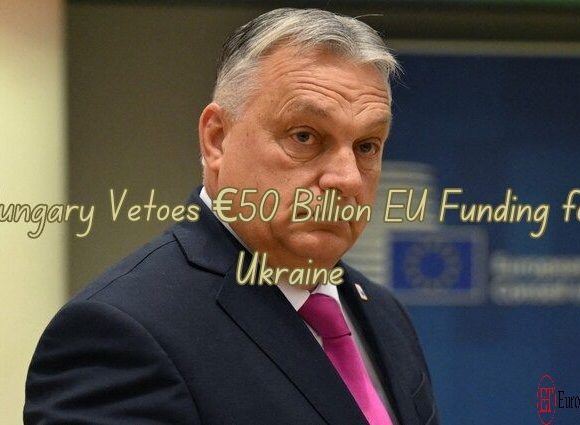
Hungary, led by Prime Minister Viktor Orban, has blocked €50 billion in EU aid for Ukraine, a move that comes just hours after EU leaders reached an agreement to begin membership talks. Orban, known for maintaining close ties with Russia, announced the veto, citing opposition to additional financial support for Ukraine. While the EU leaders unanimously agreed on aid and wider budget proposals, Hungary’s objection led to the postponement of aid negotiations until early next year. Despite Hungary’s stance, the EU proceeded with granting membership talks to Ukraine, Moldova, and candidate status to Georgia.

The decision to block aid raises concerns for Ukraine, which heavily relies on EU and US funding in its ongoing struggle against Russian forces. This setback comes at a time when Ukraine is also seeking approval for a $61 billion US defense aid package, facing delays due to disagreements among US lawmakers. The potential implications for Ukraine’s counter-offensive against Russian forces, especially with the arrival of winter, heighten anxieties about the country’s ability to resist the occupation.

President Zelensky of Ukraine expressed gratitude for the EU’s decision on membership talks, despite the aid block. The EU’s move to include Ukraine and Moldova in accession talks was celebrated as a “victory” by Zelensky, who emphasized the importance of the decision for both countries. Moldova’s President Maia Sandu also welcomed the development, acknowledging the shared path to EU accession with Ukraine. Germany’s Chancellor Olaf Scholz praised the decision as a “strong sign of support,” highlighting that both Ukraine and Moldova belonged to the “European family.”

Prime Minister Orban, in a video message on Facebook, distanced himself from his EU counterparts, labeling Ukraine’s membership as a “bad decision” and reiterating Hungary’s opposition to providing substantial funds to Ukraine. The EU’s decision to open accession talks does not guarantee immediate membership for Ukraine, as the process involves passing numerous reforms and adhering to EU standards, a journey that can span several years. Despite the challenges, the EU’s commitment to engaging in talks signals a significant step toward fulfilling Ukraine’s Euro-Atlantic aspirations.

Picture Courtesy: Google/images are subject to copyright