
featured News Trending

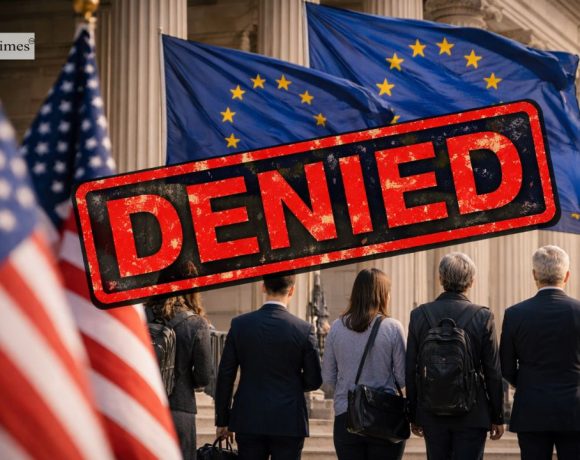
The European Union, along with France and Germany, strongly condemned U.S. visa bans on five European citizens, including former EU commissioner Thierry Breton, who have been involved in combating online hate and disinformation. Washington accused them of censoring free speech and imposing undue restrictions on U.S. tech companies, a move that European officials described as unjustified and an infringement on Europe’s legislative autonomy. French President Emmanuel Macron emphasized the importance of protecting Europe’s independence and the freedom of its citizens.

Breton, who helped design the EU’s Digital Services Act (DSA), faced particular scrutiny from the Trump administration. The DSA requires tech companies to tackle illegal content such as hate speech and child sexual abuse material, but the U.S. argued it unfairly targets American platforms and citizens. Previous disputes, including fines against Elon Musk’s X platform, have heightened tensions between Brussels and Washington over internet regulation and freedom of expression.

The visa bans also affected activists from the U.K. and Germany, with both countries expressing support and solidarity. German authorities called the bans unacceptable, noting that digital rules are determined in Europe, not Washington. British and international organizations described the U.S. actions as authoritarian and an attack on free speech, while the EU signaled it may respond decisively to what it views as a coercive measure undermining democratic norms.

Pic courtesy: google/ images are subject to copyright
featured News Trending

The United States has barred five European figures, including former EU commissioner Thierry Breton, from entering the country, accusing them of pressuring technology companies to censor or suppress American viewpoints. Secretary of State Marco Rubio said the individuals led organised efforts to coerce US platforms through regulations targeting disinformation, framing the move as a defence of free speech against foreign influence.

The visa bans are the latest step in the Trump administration’s pushback against European Union regulations such as the Digital Services Act (DSA), which seeks to curb hate speech and misinformation online. Washington argues that the law unfairly targets American companies and restricts free expression. Rubio described the actions of the targeted individuals and organisations as part of a broader campaign by “weaponised NGOs” and foreign states to impose censorship on US speakers and businesses.

Those named include Imran Ahmed of the Centre for Countering Digital Hate, HateAid leaders Josephine Ballon and Anna-Lena von Hodenberg, Global Disinformation Index head Clare Melford, and Breton, whom US officials labelled a key architect of the DSA. The move, which uses immigration law rather than sanctions, drew sharp criticism from those affected, with responses calling the decision authoritarian and an attack on free speech, even as European officials and activists warned of rising tensions over digital governance.

Pic courtesy: google/ images are subject to copyright
featured News

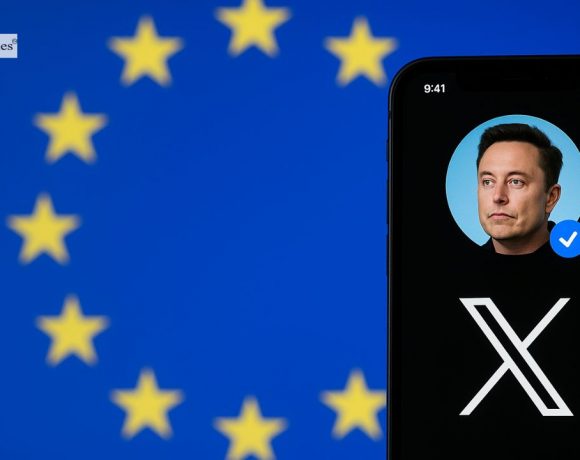
Elon Musk’s social media platform X has banned the European Commission from running adverts on the site, days after being fined €120 million (£105m) by the EU under the Digital Services Act. The fine accused X of misleading users through its blue tick verification system, which the regulator said was not actually verifying identities and could enable scams and impersonation.

Nikita Bier, a senior X executive, claimed the European Commission attempted to exploit the platform’s advertising tools by posting content in a way that artificially boosted its reach. He argued that the Commission believed rules did not apply to them, leading to the termination of its ad account. The EU rejected the accusation, stating it only uses social media tools provided by platforms and does so in “good faith.”

The dispute adds to ongoing global clashes between X and regulators. The EU has also accused the platform of lacking transparency on adverts and restricting researcher access to public data. X now has 60 days to justify its verification practices or face further penalties. The platform has previously faced sanctions in Brazil and Australia over misinformation and safety compliance issues.

Pic courtesy: google/ images are subject to copyright
featured News Trending

ByteDance’s TikTok has agreed to permanently discontinue its TikTok Lite rewards program in the EU to comply with the bloc’s Digital Services Act (DSA), according to a statement from the European Commission on Monday.

The TikTok Lite app includes a “Reward Programme” that allows users to accumulate points by completing various tasks on the platform, such as watching videos, liking content, following creators, or inviting friends to join.

In April, the EU requested an immediate risk assessment from TikTok following the app’s launch in France and Spain, citing concerns about its potential effects on children and users’ mental health.

Under the DSA, major online platforms are required to report potential risks associated with new features to the EU prior to their launch and must implement effective measures to mitigate these risks.

The EU’s executive branch noted that TikTok has made legally binding commitments to withdraw the rewards program from the EU and not to introduce any alternative programs that could circumvent this decision. Any violation of these commitments would constitute a breach of the DSA and could result in fines, the commission stated.

Additionally, an ongoing investigation is looking into whether TikTok has violated online content regulations designed to protect children and ensure transparent advertising. This investigation began in February and could expose the platform to significant fines.

Picture Courtesy: Google/images are subject to copyright