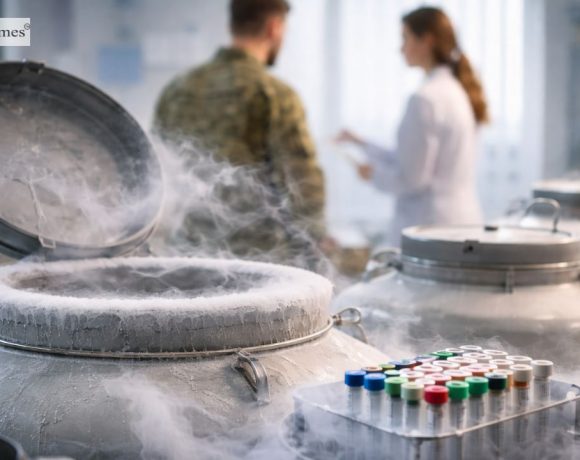
Facing a severe demographic decline worsened by Russia’s full-scale invasion, Ukraine is funding a programme that allows serving soldiers to freeze sperm and eggs free of charge. Introduced after private clinics began offering cryopreservation in 2022, the scheme was later regulated and financed by the state to help troops preserve the chance of having children if they are injured or killed. Lawmakers say the policy is both a personal safeguard for soldiers’ families and a small step toward protecting the nation’s future population.
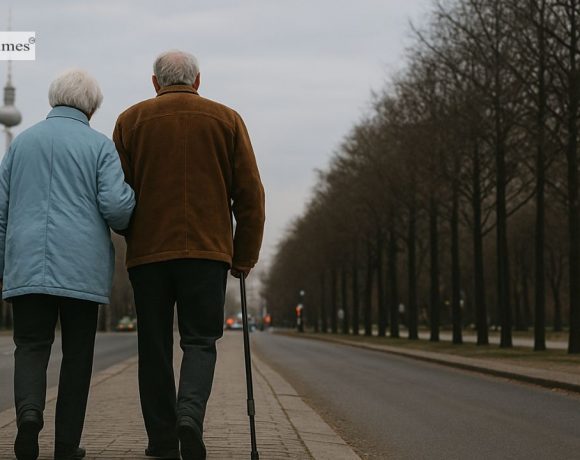
The war has intensified an already serious crisis: large numbers of young men have been killed at the front, while millions—mostly women—have left the country as refugees. Clinics in Kyiv report that pregnancies have dropped sharply since the invasion, with stress, displacement and constant missile and drone attacks causing many couples to postpone having children. Officials argue that preserving fertility for military families is vital as Ukraine struggles with long-term population loss.
The programme has not been without controversy. Early rules required sperm samples to be destroyed if a donor died, prompting public outrage after widows were denied the right to use their husbands’ frozen material. Amendments now allow samples to be kept for several years after death with prior consent, though families still report legal and bureaucratic hurdles. Despite these challenges, supporters say open discussion of fertility and wider participation by soldiers could help ensure that the children of those killed in the war still have a chance to be born in the country their parents died defending.
Pic courtesy: google/ images are subject to copyright