featured News

German Chancellor Friedrich Merz has called on Europe to assert its interests more forcefully to safeguard peace and prosperity in 2026, warning of mounting threats from Russian aggression, global protectionism and shifting relations with the United States. Speaking in his New Year’s address, Merz said the war in Ukraine posed a direct threat to Europe’s freedom and security, adding that Russia’s actions were part of a broader strategy targeting the entire continent.

Since taking office in May, Merz has played a key role in pushing European support for Ukraine and strengthening Germany’s defence posture. He said Germany now faces daily challenges including sabotage, espionage and cyberattacks, underscoring the need for greater resilience. Merz also highlighted economic risks from rising protectionism and Europe’s dependence on imported raw materials, which he said were increasingly being used as tools of political pressure.

Merz pointed to Germany’s struggle to revive its export-driven economy after two years of contraction, as Berlin seeks to reduce reliance on China while navigating global trade tensions and the impact of U.S. President Donald Trump’s tariff policies. Acknowledging a more difficult partnership with Washington since Trump’s return to office in 2025, Merz said Europe must rely more on itself, stressing that confidence, not fear, should guide the continent’s response as it works to renew long-standing peace, freedom and prosperity.

Pic courtesy: google/ images are subject to copyright

featured News

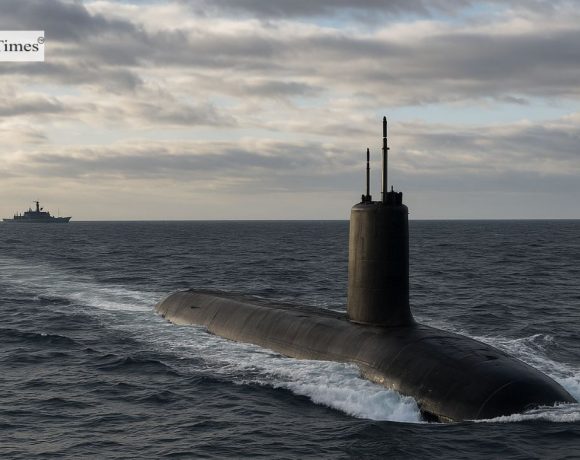
The Royal Navy has launched a new Atlantic strategy featuring advanced underwater drones and surveillance systems to protect vital subsea infrastructure from Russia’s growing presence. A key component, the SG-1 Fathom submarine glider, is being trialled to autonomously patrol for months, detect hostile submarines and support the Atlantic Bastion programme — a network of drones, warships and aircraft. Officials say the rising activity of Russian vessels near British waters, including suspected attempts to map cables and pipelines, has prompted faster deployment of new technology.

Defence Secretary John Healey says the move is a direct response to a 30% surge in Russian submarine activity in the past two years. The government recently highlighted risks after a Russian research vessel, Yantar, allegedly shone lasers at RAF pilots monitoring its route near the UK. Healey stressed that Russia continues to invest heavily in its submarine fleet and warned that protecting undersea infrastructure, including telecom and energy links, is now a national security priority.

Despite ambitious plans, critics argue the UK lacks sufficient naval resources and is relying on drones to fill gaps. Experts warn the Royal Navy has neglected its historic role in guarding the western Atlantic, forcing it to “play catch-up” even as threats grow. First Sea Lord Gen Sir Gwyn Jenkins acknowledged the urgency, urging allies such as Norway to join the UK in countering Russian undersea strategy before the technological gap narrows further.

Pic courtesy: google/ images are subject to copyright