featured Interview

A visionary entrepreneur’s journey from Kerala’s heartland to building one of the Middle East’s most dynamic power technology brands

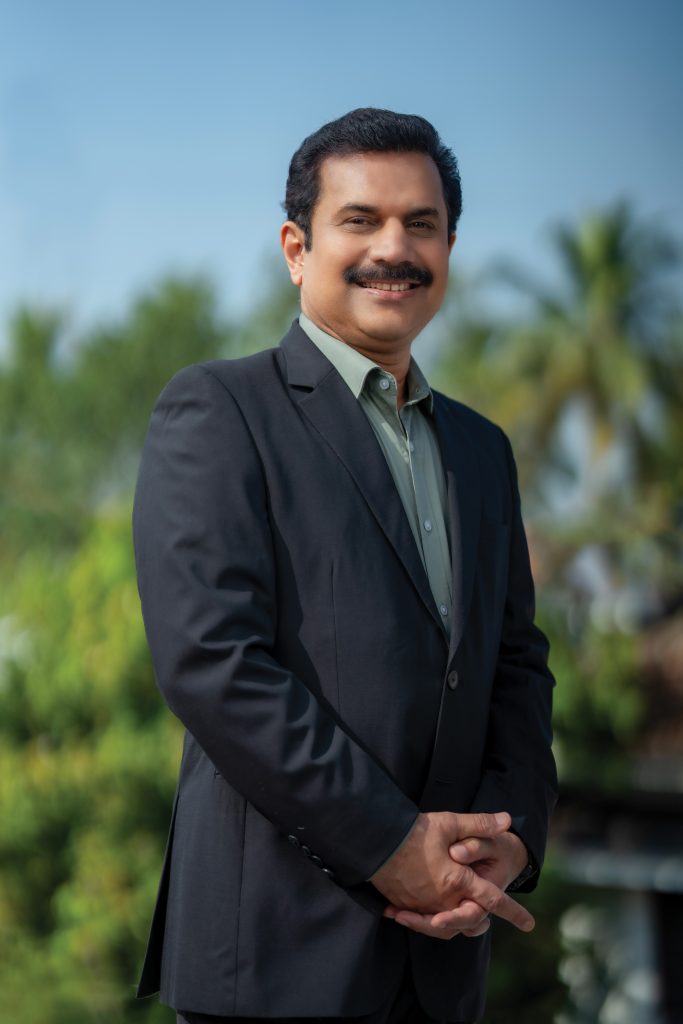
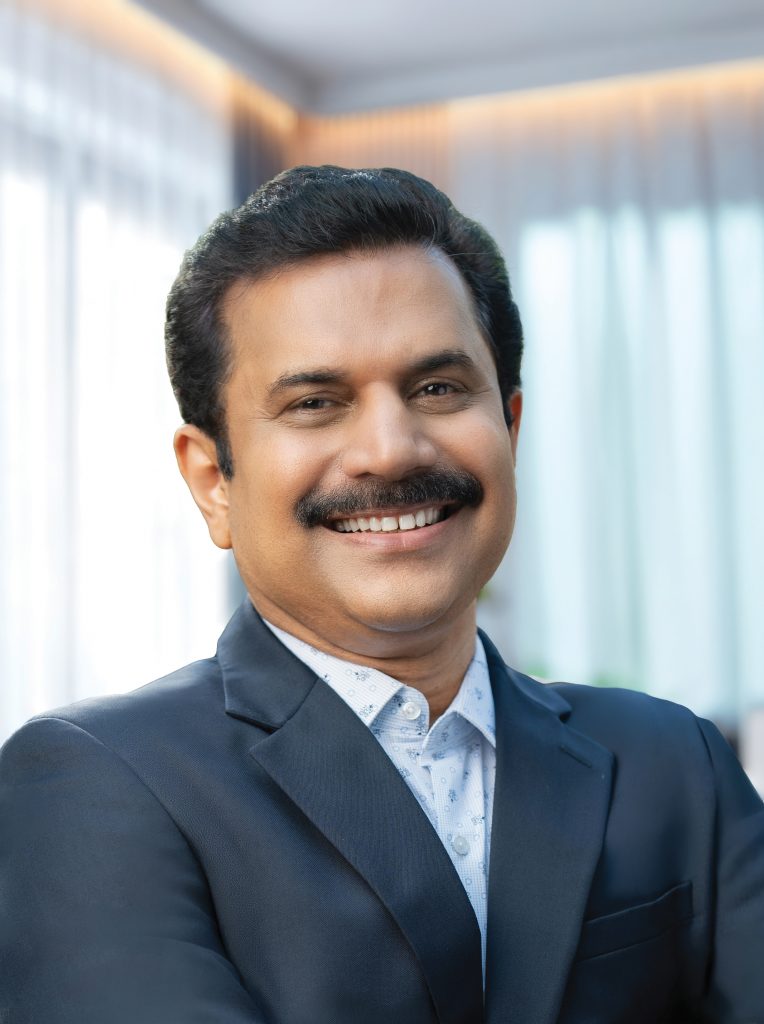
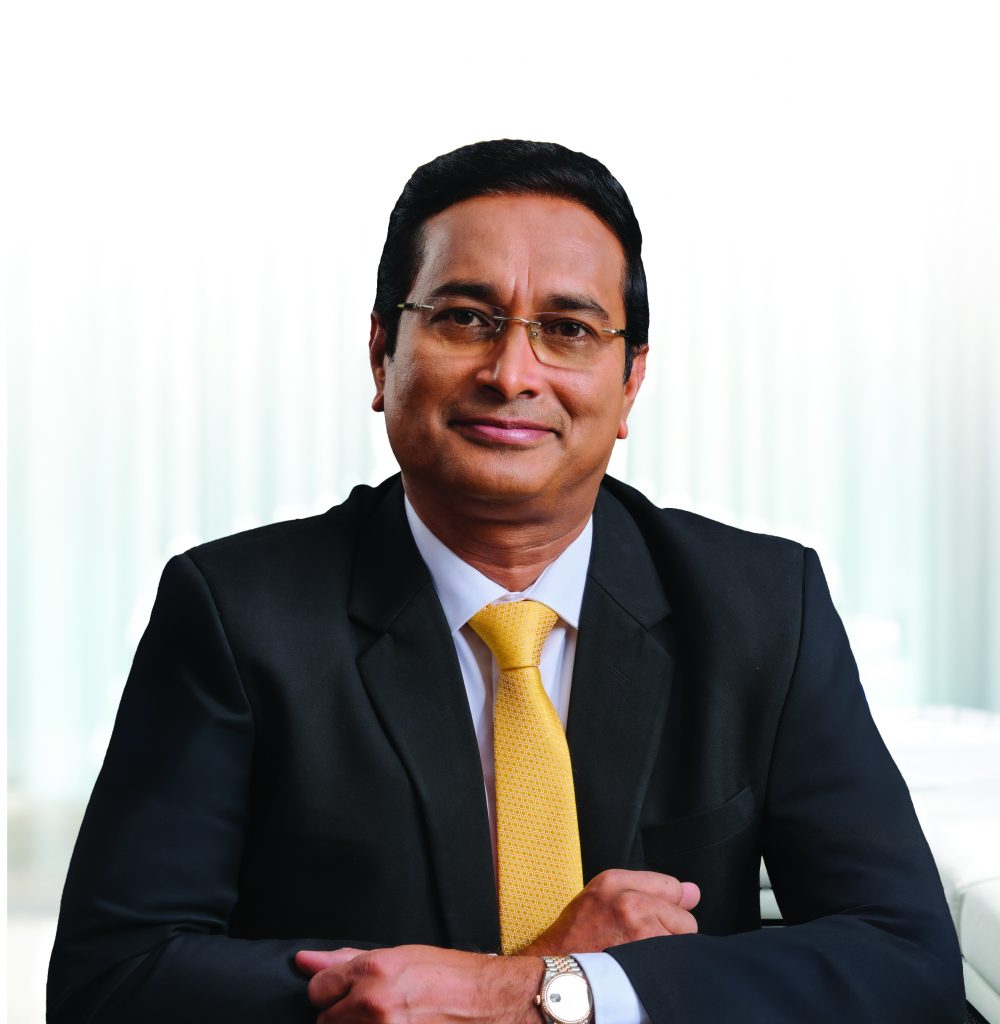
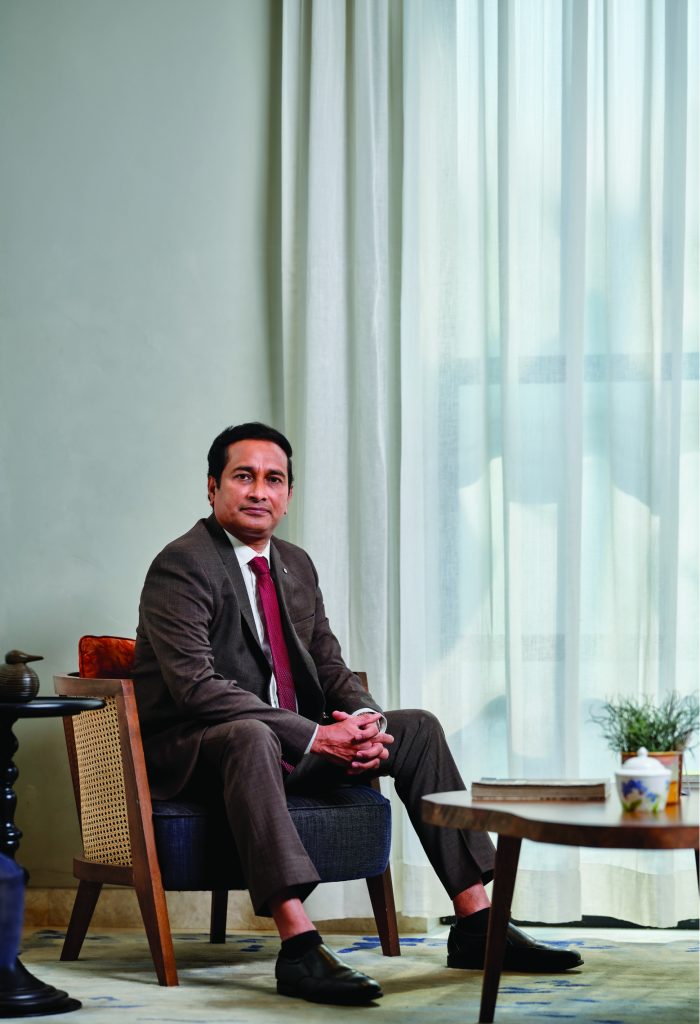
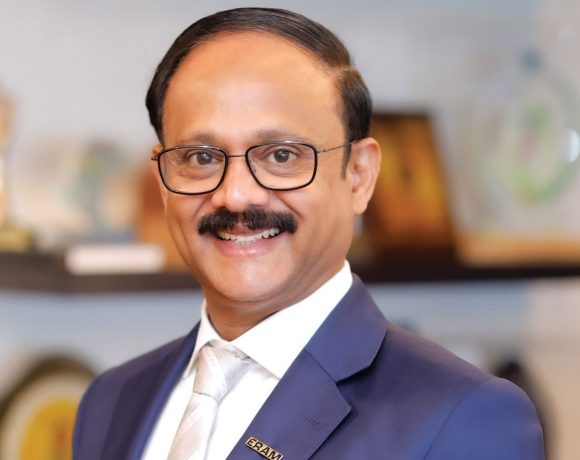
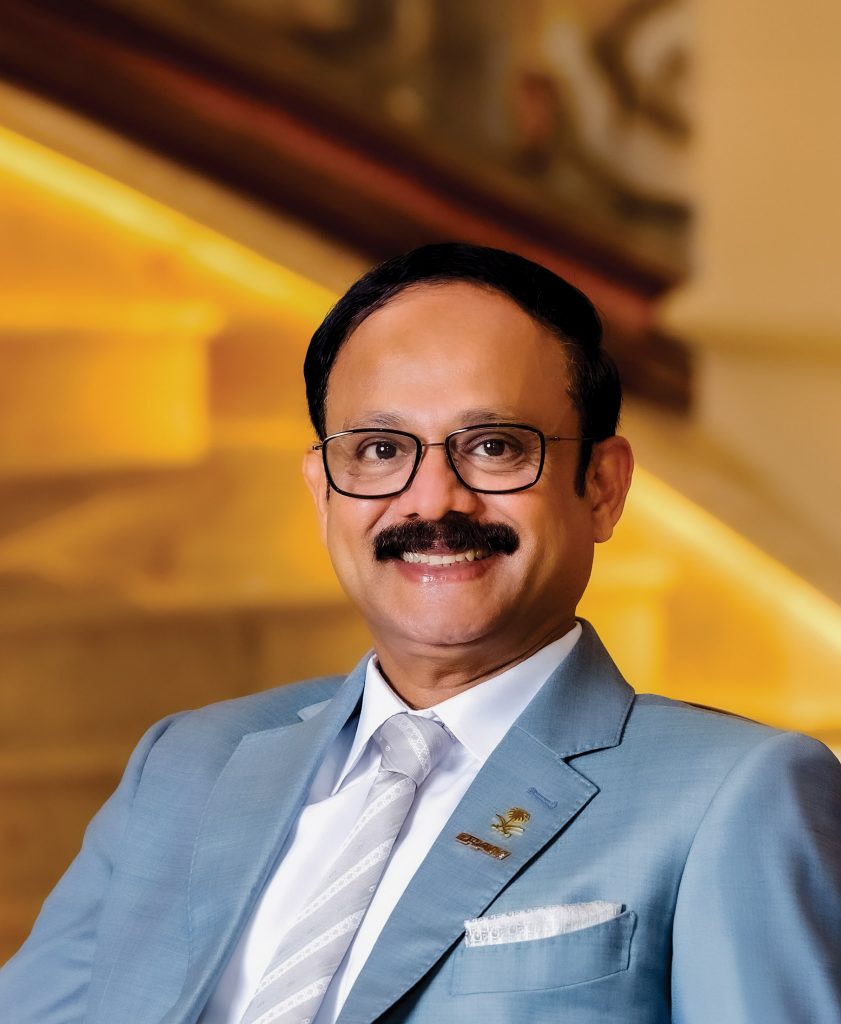
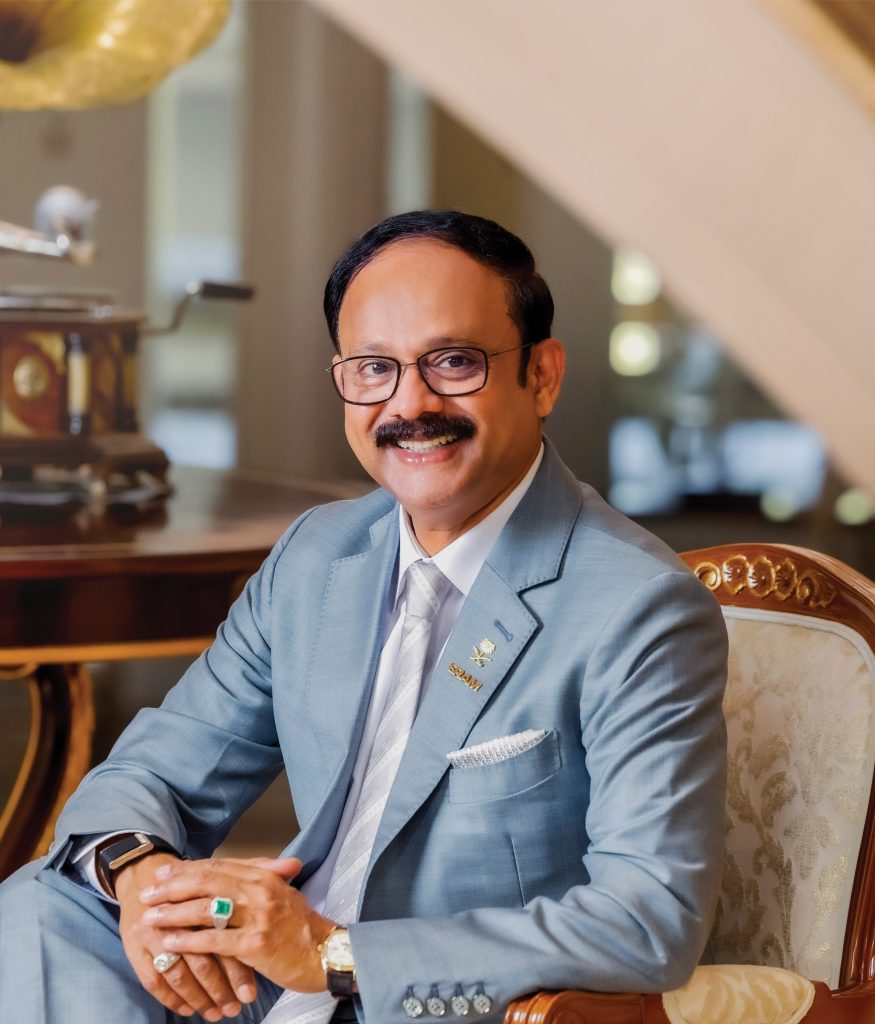
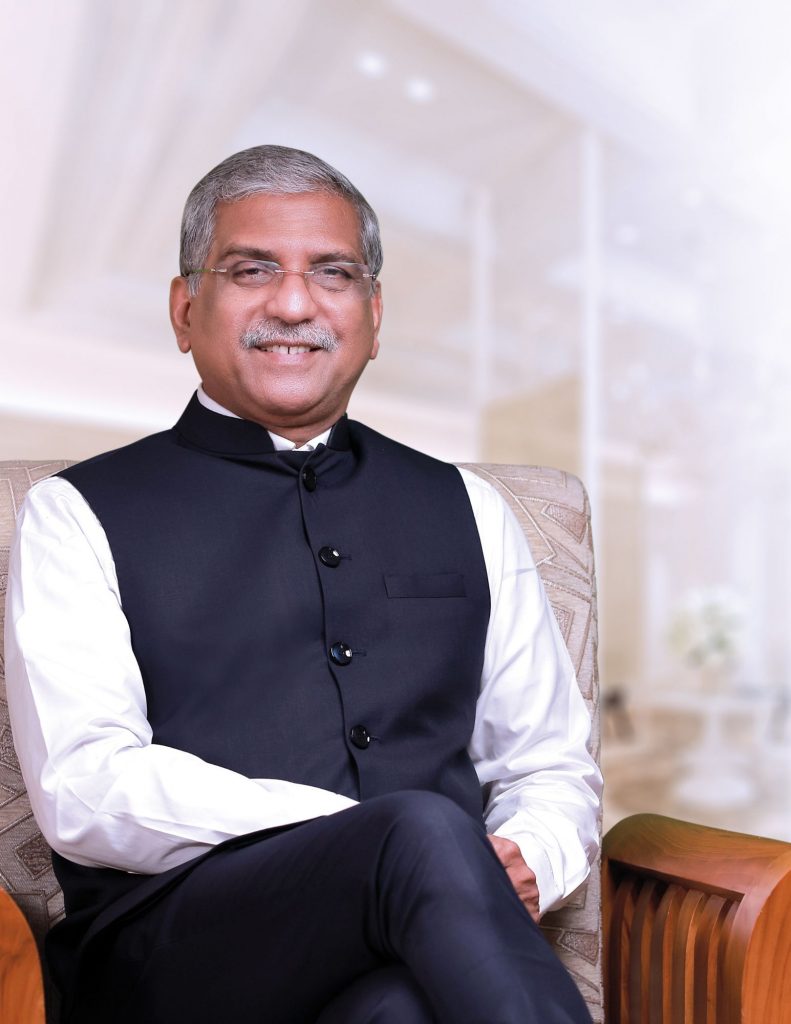
In a world driven by innovation and the constant pursuit of progress, few leaders manage to balance business success with human purpose quite like Dr. Siddeek Ahmed, Chairman and Managing Director of ERAM Holdings. From a modest beginning in Kerala, India to leading a multi-billion-dollar conglomerate with over 40+ businesses across 9 verticals and operating in 16 countries, Dr. Siddeek’s story is not just about corporate growth — it’s about vision, resilience, and the power of believing that technology and humanity can progress hand in hand. He is also a passionate philanthropist, treating this facet of his life with the same dedication and drive that fuel his business pursuits.

At the heart of this empire lies one of his most remarkable achievements – ERAM Power Electronics Company (EPEC) – a name that has quietly, yet powerfully, revolutionised the energy landscape across the Middle East, Africa & South Asia.

The Genesis of a Powerhouse

It all began with a conviction. When Dr. Siddeek blended entrepreneurial foresight and industrial excellence to establish ERAM Group in 1990’s, he wasn’t merely building another conglomerate; he was laying the foundation for a group that would merge innovation with impact. Over the years, the Group diversified into sectors such as Human Capital Management, Travel & Tourism, Automotive Dealerships, Manufacturing Research & Development, Healthcare Services, Industrial Support Services, Real Estate & Investments, Information Technology and Training & Skills Development; each contributing to his larger vision of localised excellence and global reach. Today, this legacy has evolved into ERAM Holdings, a globally respected organization driven by purpose, progress and transformative vision becoming a multi-billion-dollar enterprise.

However, 2011 marked a pivotal year. Driven by the desire to reduce dependency on imported technology and strengthen the Middle East’s self-reliance, Dr. Siddeek founded ERAM Power Electronics Company (EPEC) in Saudi Arabia, a company formerly known as, Arabian Power Electronics Company.

What began as a regional initiative soon became a symbol of reliability and engineering mastery. “Our goal was clear – to create capability, not dependency,” he often says. “EPEC represents our belief that the future of energy lies in designing smarter, more resilient solutions for an evolving world.”

Today, EPEC is not just a company, it’s an ecosystem of innovation. Its technologies power key sectors, including oil and gas facilities, airports, telecom networks, and utility services. EPEC’s products stand the test of time and terrain.

ERAM Power Electronics: Engineering the Future (KSA & India)

Amongst several success stories, ERAM Power Electronics Company (EPEC) stands out as a symbol of reliability and engineering mastery. Founded in 2011 in Saudi Arabia, EPEC was born from Dr. Siddeek’s vision to reduce dependence on imported technologies and enhance regional self-reliance.

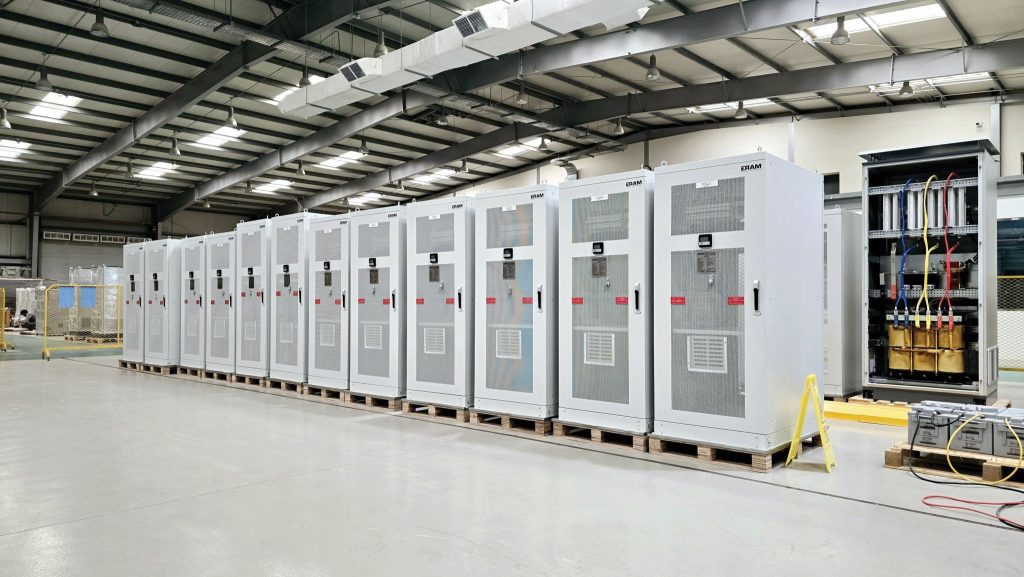
From industrial battery chargers and UPS systems to frequency converters and lithium batteries, EPEC’s products power vital infrastructure – oil and gas facilities, airports, telecoms, defense bases, and utilities – across the Middle East, Africa, and South Asia. EPEC is the first ‘Made in Saudi’ brand in power electronics with full localization capabilities, marking a significant milestone in the Kingdom’s industrial landscape.

Saudi Arabia remains its strategic hub, where the company’s rugged, outdoor-rated chargers have set industry benchmarks. Meanwhile, EPEC’s CellWatt Lithium Batteries power more than 40,000 traffic cameras across Saudi Arabia, ensuring uninterrupted surveillance and safety.

EPEC’s India operations in Pune serves as the Manufacturing Hub; and Bengaluru functioning as the Research & Development Center, continue to drive research, innovation, and advanced production. The Indian operations of EPEC are built on fully indigenous technology and the use of locally sourced materials. This ensures that every product delivered by EPEC India is a genuine and proud representation of the ‘Make in India’ initiative.

The Center of Excellence is formally certified to the EN 9100:2018 aerospace quality standard (equivalent to AS9100D), as evidenced & certified by TÜV Rheinland, Germany. This recognition reflects an unwavering commitment to world-class quality, safety, and reliability across all processes.

The certification demonstrates full compliance with internationally established best practices in the design, development, manufacture, installation, and commissioning of power electronics solutions for commercial, industrial, defence, military, and aerospace applications. This prestigious benchmark further strengthens EPEC’s global credibility and reinforces the trust placed by customers and partners worldwide.

EPEC collaborates with ISRO, DRDO, and RRCAT to develop mission-critical systems for space, nuclear, and defense applications. Recent breakthroughs include AI-integrated power systems and next-generation converters using SiC and Gallium Nitride semiconductors, reinforcing its global leadership in power technology.

Automotive Excellence: ERAM Motors (India)

In Kerala, ERAM Motors reflects Dr. Siddeek’s dynamic vision for the automotive industry. As Kerala’s No.1 Mahindra & Mahindra vehicle dealer, ERAM Motors operates 32 touch points across North Kerala—from Thrissur to Kasaragod—employing over 1,500 professionals. The brand stands out for its strong market presence, customer-centric approach, and commitment to delivering industry-leading service standards.

Driving Skill Development and Women Empowerment

Complementing his contributions to the automotive sector, Dr. Siddeek has championed several impactful skill development initiatives aimed at empowering youth and women across Kerala.

A notable example is the ‘Naari Chakra’ program, launched in collaboration with ASAP Kerala, ERAM Technologies, and Mahindra & Mahindra. This pioneering 60-day training initiative, inaugurated by Kerala’s Higher Education Minister Dr. R. Bindu, equips women aged 18–35 with specialized automotive skills and ensures 100% placement. The program represents a major step forward in fostering gender inclusion and creating new opportunities in the auto industry.

Healing Lives: Dar As Sihha Medical Center (KSA)

Under the leadership of Dr. Siddeek’s son, Rizwan Ahamed, Vice Chairman of the Board and Executive Director of ERAM Holdings, Dar As Sihha Medical Center stands as one of the region’s largest healthcare networks. With clinics in Dammam & Al Khobar, it caters to over 1,500 – 2,000 outpatients daily, supported by 350 – 400 health care professionals. Dar As Sihha is an approved training center accredited by the Saudi Heart Association and the American Heart Association to provide First Aid/Heart Saver training and Basic Life Support training. What sets Dar As Sihha apart is its specialised license to operate remote site medical units in critical oil & gas zones – a privilege held by very few institutions, including those approved by Johns Hopkins Aramco Healthcare accredited medical centres. These units include doctors, paramedics, ambulances, pharmacies, medical equipment and supplies, medical waste disposal services, and remote area clinic audit services, ensuring comprehensive on-site healthcare for industrial sectors across Saudi Arabia.

Engineering Trust: A Legacy of Quality

Every EPEC product is a promise – designed to deliver uninterrupted power, tested to withstand real-world extremes, and certified to international standards. The company’s ISO 17025-accredited laboratory ensures each system meets rigorous performance criteria before it ever reaches a client site.

Whether it’s a UPS in a hospital or a converter in a fighter jet hangar, failure is not an option. ‘Reliability is our DNA,’ says Jacob Thomas, CEO of ERAM Power Electronics. “At EPEC, we engineer not just power systems, but trust. Every circuit, every wire, every weld reflects a commitment to perfection. Our vision is to redefine what uninterrupted power means, empowering industries, defense, and infrastructure to operate without limits.”

That commitment has earned EPEC partnerships and projects across Saudi Arabia, UAE, Qatar, Bahrain, Oman, Kuwait, India and Africa, firmly establishing it as a global name in intelligent power solutions.

A Global Vision Anchored in Local Values

Beyond business success, what makes ERAM Holdings truly extraordinary is its commitment to people – a principle that Dr. Siddeek carries deeply.

Aligned with Saudi Vision 2030, India’s ‘Make in India’ initiative, and the UAE’s National ICV Programme, ERAM Holdings’ core philosophy is simple yet powerful – “localisation with global excellence.”

This vision has led to the creation of over 12,000 jobs across 20 nationalities and established manufacturing and training facilities that strengthen local economies. ERAM’s ventures are not just profit-driven, they are purpose-driven.

Empowering Minds: The ERAM Skill Academy (India)

Back in his home state of Kerala, Dr. Siddeek’s vision takes a more human form through the ERAM Skill Academy – a world-class technical training institution designed to bridge the gap between education and employability.

Recognised as a Centre of Excellence by the Kerala Academy for Skills Excellence (KASE) and accredited by the National Skill Development Corporation (NSDC), ERAM Skill Academy is a premier institution in advanced technical training, further strengthened by certifications from the STED Council and CPD (UK) that ensure global standards in vocational education.

Situated on a 50,000 sq. ft. state-of-the-art campus, the Academy features cutting-edge simulation labs, industry-grade machinery, specialised safety training zones, and modern, technology-enabled classrooms that replicate real industrial environments – providing students with immersive, hands-on learning and equipping them to excel confidently in the global workforce from day one.

It is also aligned with Saudi Arabia’s approved Skill Verification Program (SVP), offering internationally recognised certifications that strengthen employability and support career advancement. The Academy’s social impact is profound—reaching communities that need support the most. Through government partnerships, it provides free and subsidised training programs, helping underprivileged youth build sustainable livelihoods.

For Dr. Siddeek, this initiative is all about empowerment. “Empowerment starts with opportunity,” he says. “When one person gains a skill, a family gains stability. When communities gain skills, nations thrive.”

The WHO Collaboration: Saving Lives through Skills

Furthering his mission of empowerment, Dr. Siddeek has expanded his charitable initiatives into the field of health education. Through the ERAM Educational & Welfare Trust, in collaboration with the WHO Collaborating Centre for Emergency & Trauma Care (WHO CCET) at AIIMS, New Delhi, the Trust launched SATYAM (Student Augmented Training for Youth Amplification)—a transformative programme designed to equip students with essential first aid, CPR, and emergency response skills. By enabling young people to act confidently during time-critical situations, SATYAM plays a key role in building safer, more resilient communities.

The pilot programme conducted in Kanjikode, Palakkad, successfully trained over 200 students from tribal and local schools, all of whom received certificates bearing the WHO logo. This initiative strengthens community health and emergency preparedness across Kerala, while directly contributing to global development priorities. It supports SDG 3 by helping reduce preventable deaths through timely first response, reinforces SDG 11 by fostering emergency-ready and safer communities, and advances SDG 17 through strong local partnerships that enable sustainable impact. In simple words, we empower citizens to save lives.

Making Each Journey A Memorable Experience : ITL World

ERAM’s Travel Division ITL World is among the top rated & award winning travel management companies in the GCC, offering a diverse portfolio across its parent and sub-brands. Established in the early 1990s on the Indian Subcontinent, ITL World expanded into the GCC with its first office in Dubai in 2006 and later into Saudi Arabia in 2008 with rapid growth across various verticals including business travel, holidays, MICE (meetings, incentives, conferences & exhibitions). Today ITL World manages a strong client network across various industries along with its global partner – CTM (Corporate Travel Management) whom ITL World represents across the GCC for the last decade. In June 2024, the company entered a collaboration with Explora Journeys to offer luxury cruise experiences. Its educational travel brand, EduVoyage, conducts expeditions to NASA and other international global centres of excellence, inspiring young minds through global exposure and experiential learning.

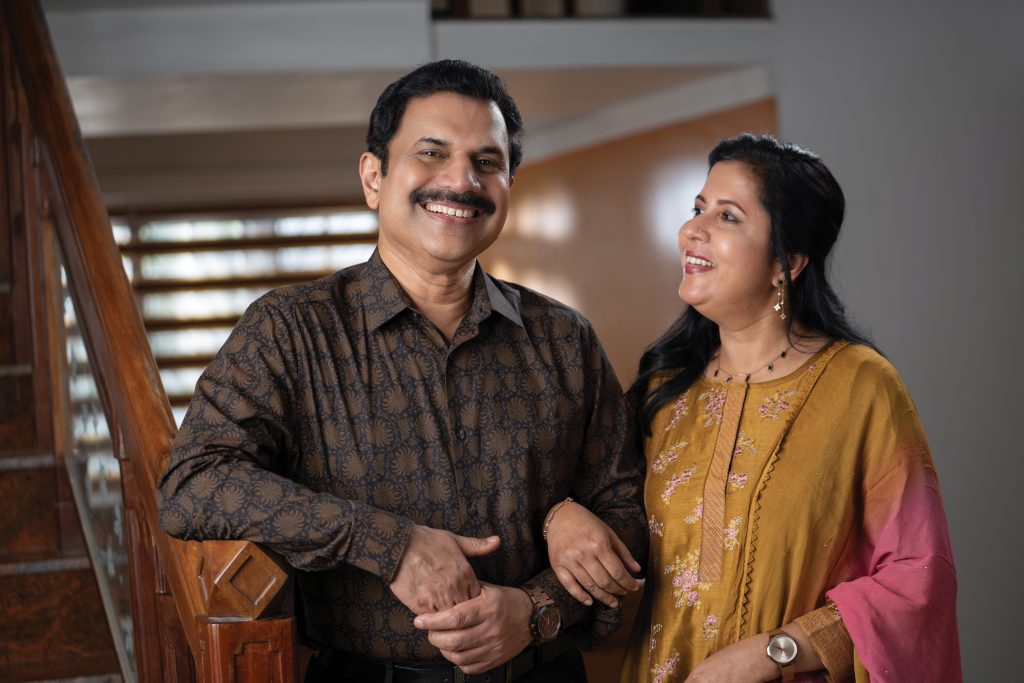
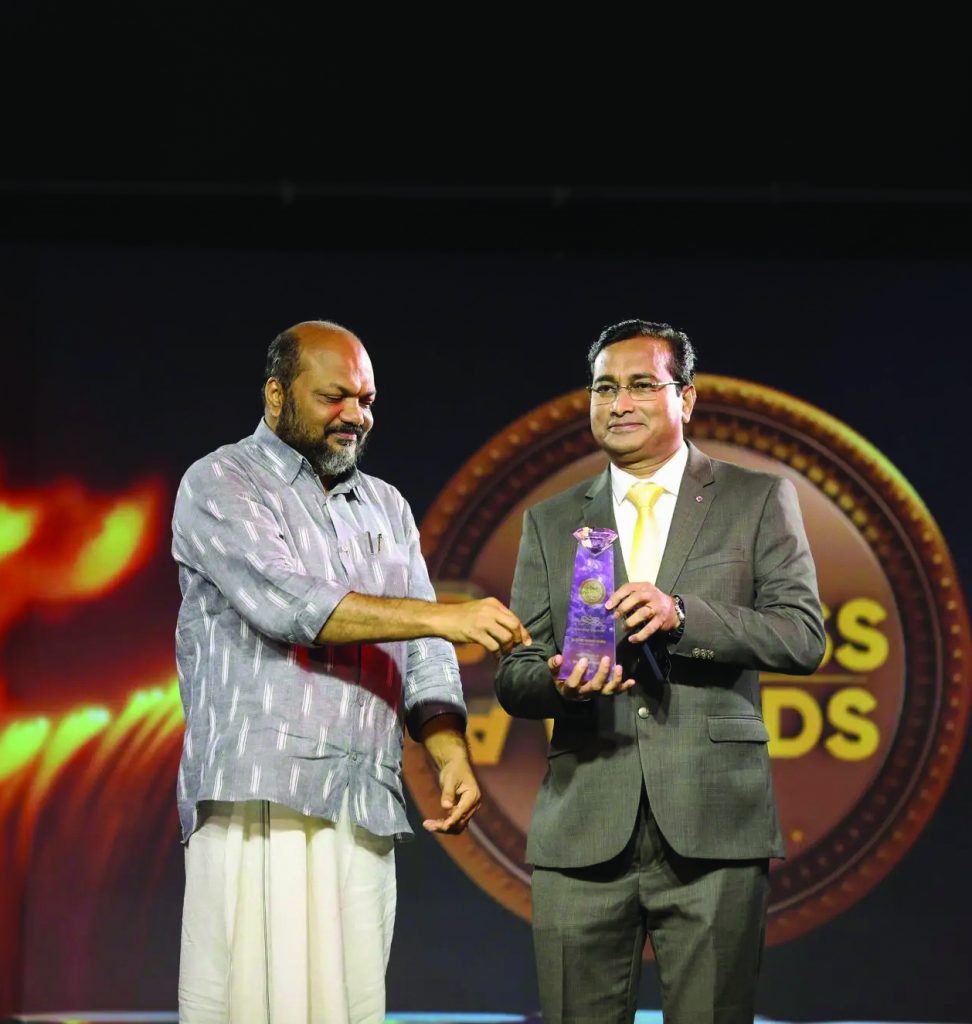
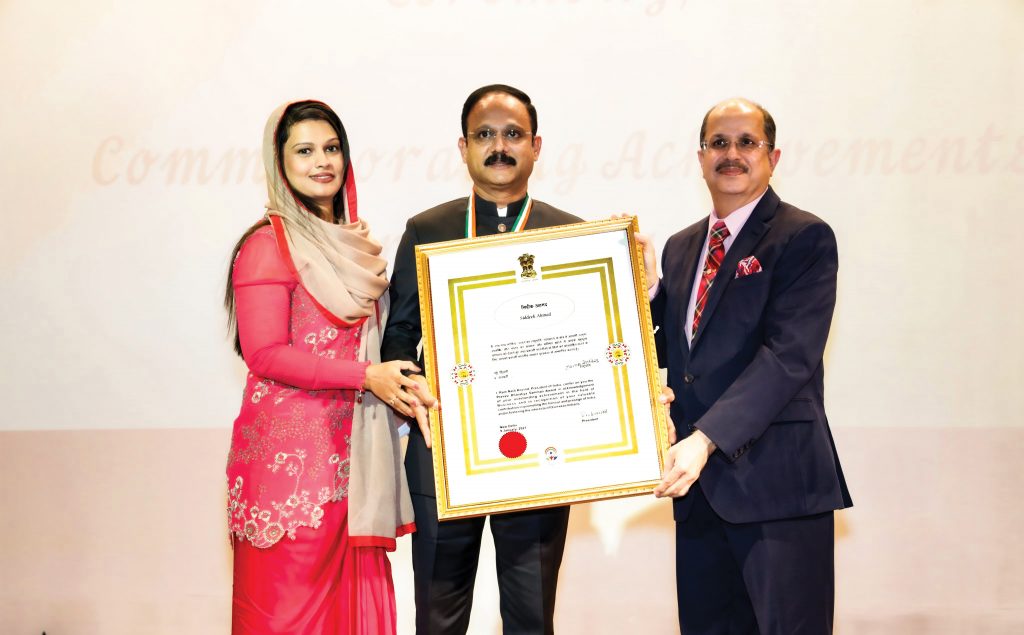
Indian Ambassador Dr. Ausaf Sayeed presents the award to Eram Group Chairman Dr. Siddeek Ahmed (center) in Riyadh. On the left is Dr. Ahmed’s wife Nushaiba.

Foodco Delicacies India Pvt. Ltd.: Whetting the Palate

Established in 2005 in Kerala, Foodco Delicacies India Pvt. Ltd., a venture of ERAM Holdings, is a multifaceted exporter of frozen foods, vegetables & seafood, and ready-toeat Indian ethnic delicacies. With coveted certifications – including FDA, and European Union licenses – the company exports premium products to markets in America, Europe and Asia, aiming at becoming one of India’s most trusted food exporters.

Healing the Earth: The Water Warrior of Palakkad

Beyond boardrooms and factories, Dr. Siddeek’s compassion flows into the rivers and wells of his homeland. In Palakkad, Kerala, he has led large-scale water conservation projects that have transformed thousands of lives.

When the Bharathappuzha River (Nila) – Kerala’s second-longest, began drying up, Dr. Siddeek stepped in. Under his leadership, ERAM Holdings replaced damaged river shutters with durable iron structures, renovated 100+ wells, and revived 141 ponds across five rural governing bodies.

The results were dramatic: improved irrigation for farmers, restored groundwater, and rejuvenated ecosystems. Over 5,000 families benefited directly.

The initiative, executed with Mahatma Gandhi National Rural Employment Guarantee Scheme (MGNREGS) and local communities, has become a model for sustainable CSR in India. His campaign, ‘Save Water, Save Earth’ now inspires environmental efforts across the region.

ERAM Holdings even produced a documentary, ‘H2O – Human to Ocean’, which is being screened in educational institutions to raise awareness about water conservation among youth.

The Man Behind the Mission

Despite the scale of his empire, Dr. Siddeek remains grounded in humility. A graduate of the Owner / President Management Program at Harvard Business School, he combines academic precision with intuitive leadership.

He serves as Co-Chair of the FICCI Arab Council, representing India on global economic platforms. He has been honoured with the Pravasi Bharatiya Samman Award (2021)—the highest recognition for overseas Indians—and consistently features among Forbes Middle East’s Top 20 Business Leaders in the Arab World.

His relentless determination and commitment to social upliftment continue to earn him global recognition. Yet, those who know him describe him as a listener first, leader second. His leadership philosophy revolves around trust, empowerment, and authenticity. “A true leader,” he says, “is one who builds more leaders.”

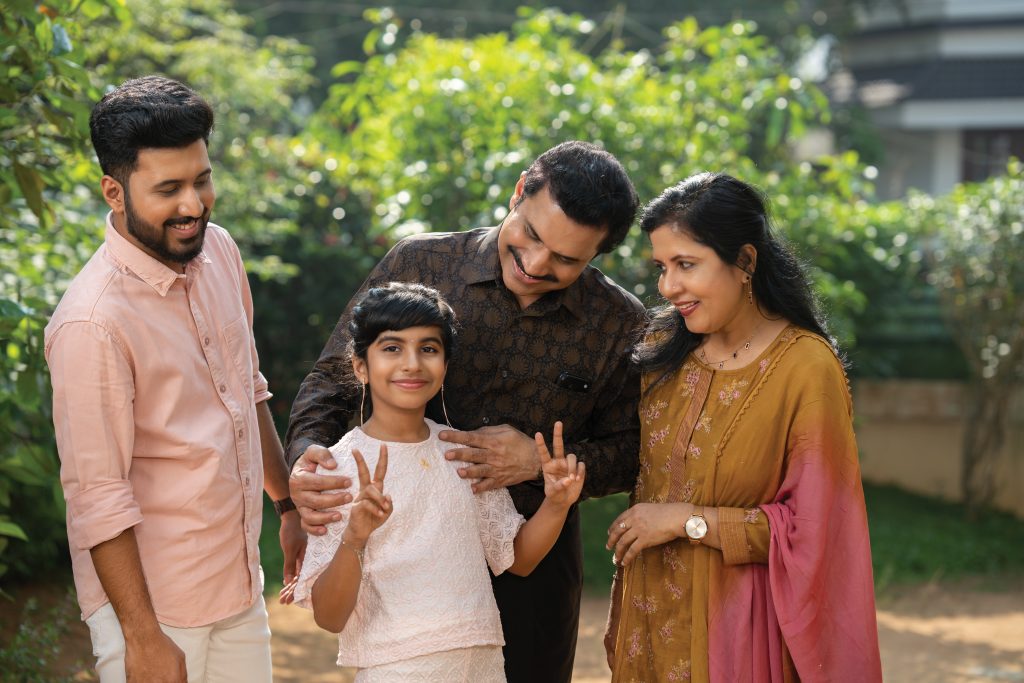
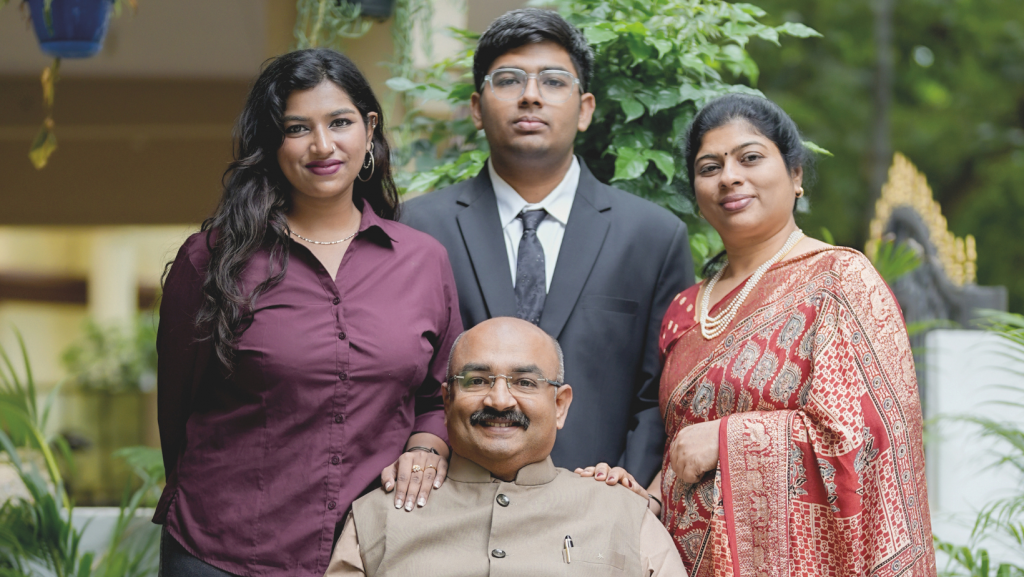
He attributes much of his strength to his family, his spouse, Nushaiba, and their three children Rizana Mariyam, Rizwi Mariyam & Rizwan Ahamed – who continue to inspire his sense of balance between ambition & empathy.

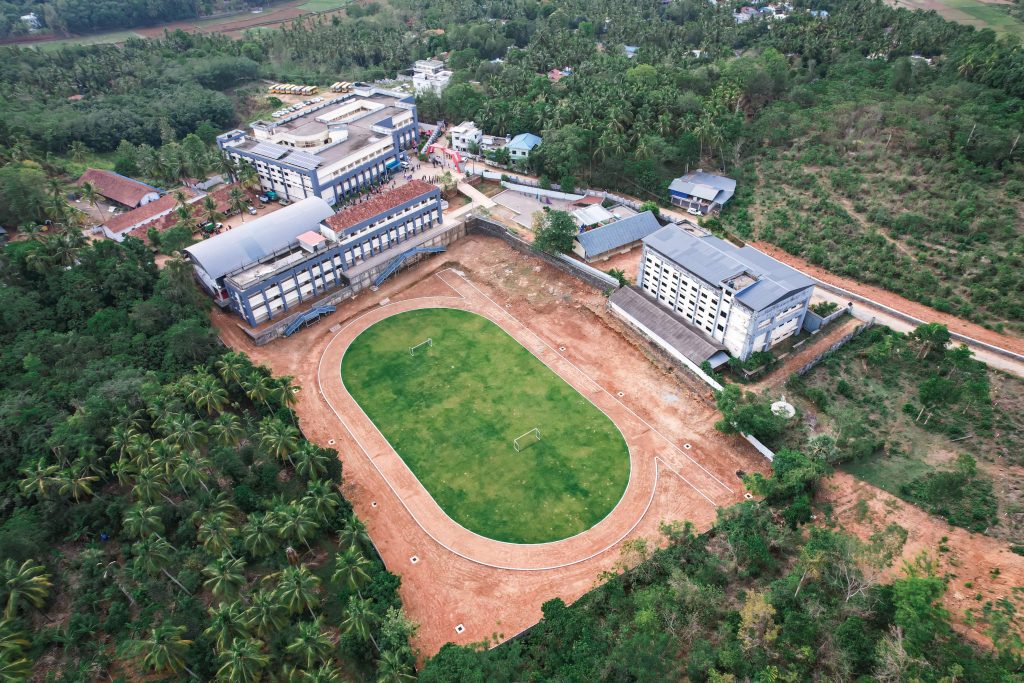
Dr. Siddeek’s dedication to education extends through five institutions nurturing over 3,000 students, including Mariyumma Memorial Public School, Higher Secondary School, Teachers Training Institute and ERAM Academy for Sports and Excellence (EASE). These schools embody his vision of holistic education that shapes both intellect and character. Named in memory of his late mother, Mariyumma, they stand as a lasting tribute to his roots and values.

The Road Ahead

As the world races toward renewable energy and intelligent automation, ERAM Power Electronics is poised for exponential growth. Its upcoming innovations include next-generation converters based on cutting-edge semiconductor materials.

ERAM Power Electronics continues to strengthen its culture of unity and shared purpose through flagship events like the Annual Day & Power Conference 2025. The gathering celebrates teamwork, innovation and collective achievements under the theme ‘One Team, One Energy’. Such events embody the company’s commitment to fostering collaboration and recognising the people who power its growth.

EPEC also plans to expand manufacturing and integration facilities in India to cater to the South Asian market, while continuing to strengthen its GCC operations. The company also envisions new collaborations in defense and aerospace – further cementing its reputation as a trusted energy partner worldwide.

For Dr. Siddeek, however, the destination is not dominance but difference. “Our goal is not just to create technology, but to create capability,” he says. “To empower nations, industries and communities through innovation and reliability.”

In a world that often measures success in profits, Dr. Siddeek measures it in progress – in the youth trained, the rivers revived and the power systems that keep the world moving.

A Legacy of Purpose

From a small town in Kerala to the global stage, Dr. Siddeek Ahmed’s journey is a masterclass in leadership – not the loud, commanding kind, but the purposeful, compassionate kind that quietly changes lives.

ERAM Power Electronics may deal in energy systems, but its true strength lies in something far more powerful – human energy – the belief that progress is meaningful only when it uplifts people and preserves the planet.

And as the lights of EPEC’s innovation glow across continents, one truth shines brighter than ever: Real power isn’t in what you create, it’s in how many lives it empowers.

Pic Courtesy: pegasus/ images are subject to copyright
featured Interview

“Turning Intangible Emotions into Tangible Experiences through Thoughtful Architecture – Vedha Architects Group Leads the Way.”

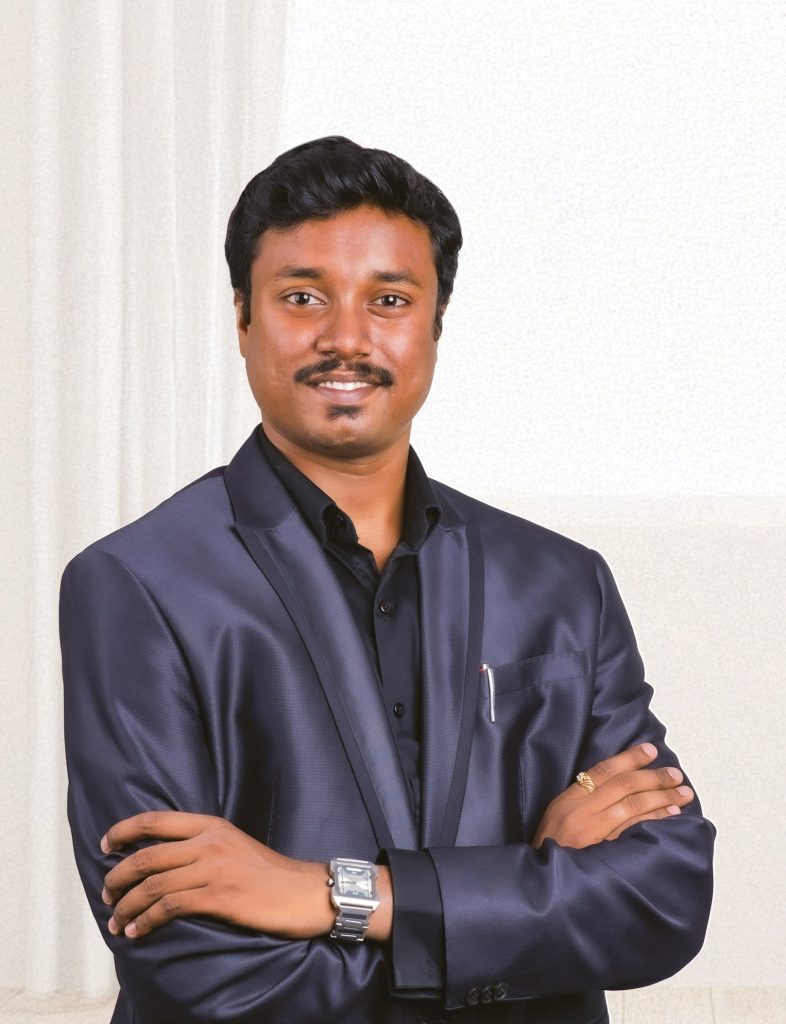
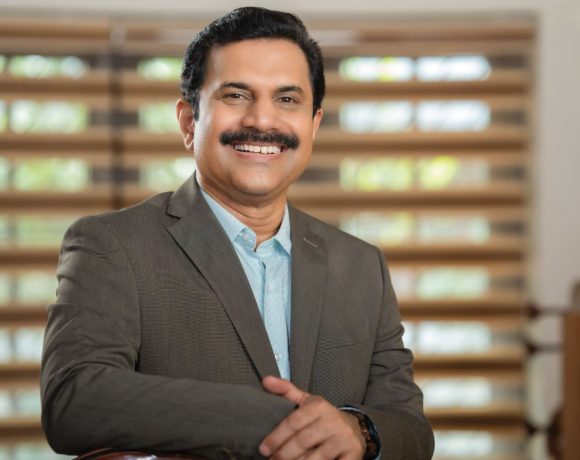
In a world where architecture is often reduced to calculations, materials, and deadlines, Ar. A. Aravind, Founder & Principal Architect of VEDHA Architects, envisions something far deeper. For him, architecture is not about following fleeting trends—it’s about creating spaces that truly reflect the essence of the individual.

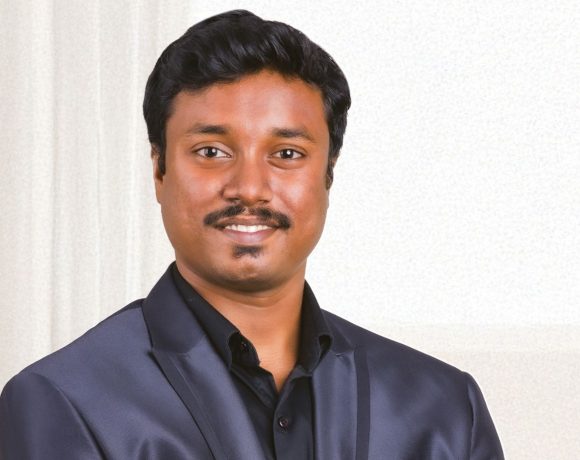
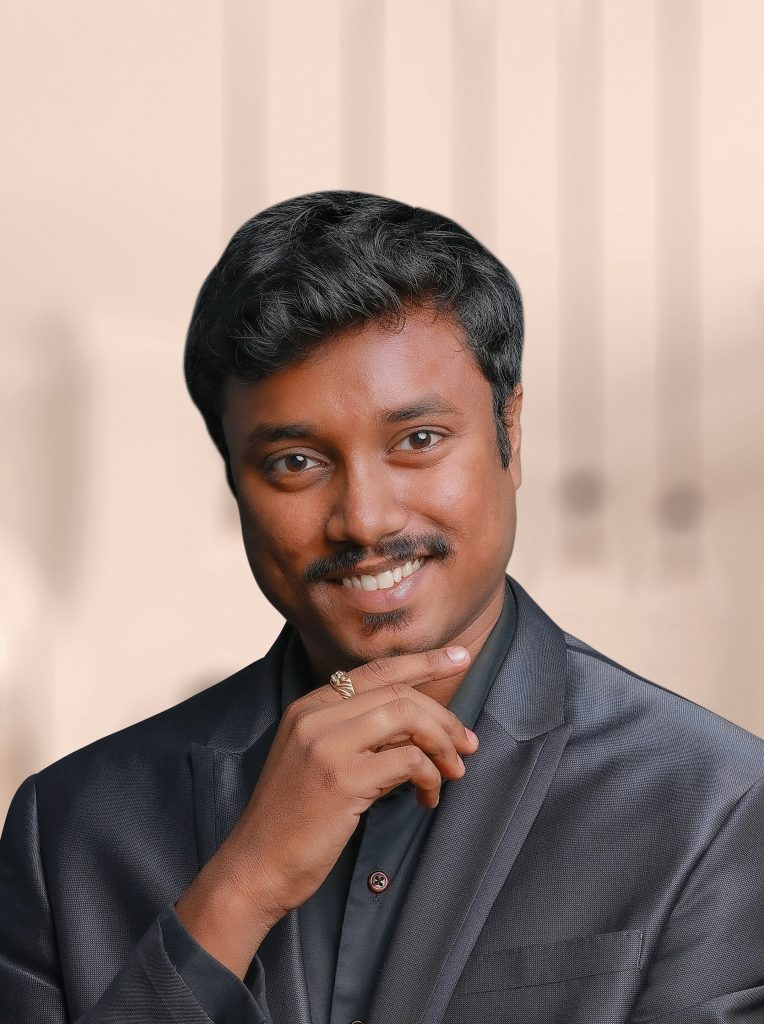
Guided by his powerful belief that “Every person is unique, so their space should be too,” Ar. Aravind’s journey has been one of passion and purpose. A graduate of the National Institute of Technology, Calicut, he honed his skills in Mumbai under the mentorship of the world-renowned Ar. Nuru Karim. What began as a dream has grown into VEDHA Architects Group, a dynamic practice with a presence across Kerala, Tamil Nadu, Karnataka, and Telangana, shaping design narratives for over eight years.

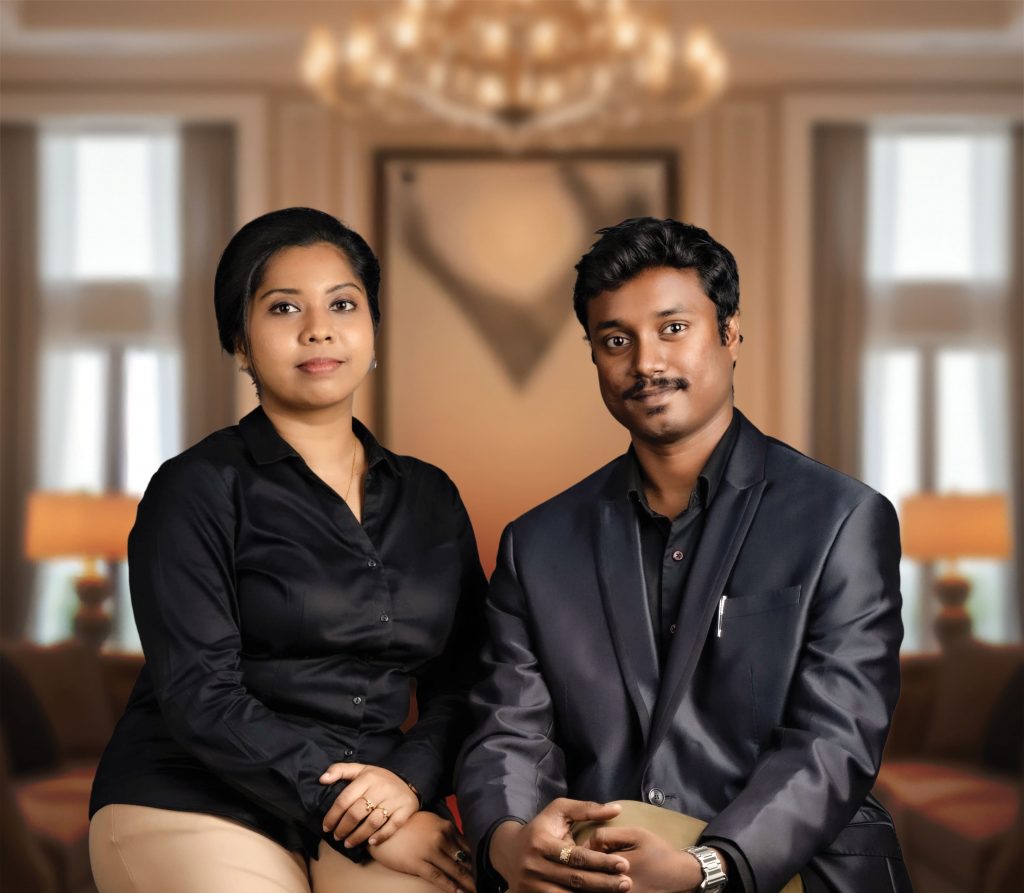
Yet, VEDHA is more than an architectural firm—it is the embodiment of a shared vision and collective passion. Ar. Amrithavarshini E.R., the Creative Head, infuses every design with creativity, uniqueness, emotional depth, and meticulous precision. Ruthira Kumar, as the Chief Innovation Officer, ensures that innovation and experimentation remain at the heart of every project. Ar. Aishwarya, who has been part of the firm since its humble beginnings, now leads Design Operations, channeling her dedication and precision into driving VEDHA’s creative excellence. Meanwhile, Ar. Vamshi Krishna, heading Project Development, turns concepts into reality with unwavering focus and commitment, ensuring each project is executed with care and finesse.

Together, this team has built far more than structures—they have created experiences. At VEDHA Architects, architecture is seen as a journey of transforming emotions into experiences, crafting spaces that are deeply personal, expressive, and timeless.

The Philosophy of Architecting Lives

The cornerstone of Ar. Aravind’s vision lies in a belief that architecture is not an exercise in construction but in human expression. He often describes his practice as “architecting lives,” a phrase that captures his deeper approach to design. For him, a home is not just a shelter but the stage on which love, memory, and identity take root. A resort is not merely a retreat but an experience of harmony with nature. A commercial space is not just a place of transaction but a statement of character.

This approach has made Vedha Architects stand apart in a competitive field. Rather than producing designs that follow generic patterns, Ar. Aravind ensures that every project tells its own story. No two projects are ever the same, because no two lives are ever the same. In his view, architecture that fails to express individuality risks becoming irrelevant.

Blending Heritage with Innovation

A defining hallmark of Ar. A. Aravind’s architectural vision is his extraordinary ability to unite elements that seem worlds apart. He masterfully merges traditional Indian design wisdom—rooted in Vastu Shastra and divine proportions—with the latest advancements in material technology, sustainability, and climate-responsive design.

Through this thoughtful integration, he creates spaces that are eternally relevant—timeless yet distinctly contemporary. A VEDHA structure may employ cutting-edge construction techniques, yet its proportions evoke the spiritual harmony of ancient temples. Its interiors may exude elegance and luxury, yet they are meticulously oriented to enhance natural light and ventilation, minimizing reliance on artificial systems.

To Ar. Aravind, tradition is not a static concept confined to history—it is a living, breathing wisdom system meant to evolve alongside modern needs.

This belief reflects a deeper truth about architecture itself. Throughout history, India’s built environment has thrived on integration rather than imitation—from temple architecture and Mughal artistry to colonial legacies and post-independence modernism. Ar. Aravind sees his work as an extension of this continuum, envisioning a 21st-century architecture where heritage and innovation coexist in dynamic dialogue, shaping spaces that honor the past while embracing the future.

Biophilia: The Signature of Connection

If there is one thread that runs through all of Ar. Aravind’s projects, it is biophilia—the human need to connect with nature. For him, nature is not a backdrop to design but its foundation. He believes that spaces should not separate us from the environment but bring us closer to it.

In practical terms, this means designing buildings with generous natural light, carefully calibrated ventilation, organic built forms, and materials that foster a healthier indoor environment. But beyond the technical, there is also a spiritual quality to his work. To step into a Vedha-designed home or resort is to feel an immediate sense of calm, as though the building itself is in dialogue with the trees, the wind, and the landscape around it.

Ar. Aravind describes this as creating “living, breathing ecosystems.” His buildings are not monuments to human ambition but sanctuaries where people and nature meet in quiet harmony. This biophilic approach does more than elevate aesthetic value; it enhances well-being, reminding us that architecture at its best does not dominate life but nurtures it.

Transforming Dreams into Enduring Designs

At VEDHA Architects, every creation begins with an intimate understanding of the client—their lifestyle, aspirations, and vision for the future. For Ar. A. Aravind, architecture is far more than the arrangement of walls and roofs; it is about shaping experiences that stand the test of time. This belief is embodied in VEDHA’s signature three-stage process—the Design Diagnosis Report (DDR).

The DDR goes beyond being a mere design plan; it serves as a strategic blueprint for the client’s present and future. It begins with identifying immediate needs while also envisioning how the space should evolve over the next five to ten years. As Ar. Aravind often remarks, “We cannot renovate every year, so we design for the future you aspire to live in.” By anticipating long-term functional and emotional needs, VEDHA ensures that every structure remains relevant, purposeful, and inspiring for decades.

Once the vision is established, the process moves to the detailed architectural design stage, where creativity meets practicality. Here, every idea is aligned with the client’s budget, blending innovative design with financial sensibility to create spaces that are both imaginative and achievable. The final stage—execution—focuses on delivering the project with uncompromising quality, timely completion, and a lifetime commitment to the client’s satisfaction.

For Ar. Aravind, architecture is about translating emotions into physical form—spaces that evoke trust, comfort, and identity. Whether a home or workspace, each design reflects a philosophy of living, not just a style. This is why VEDHA Architects stands beside every client from the first spark of an idea to the final finishing touch, crafting not just buildings, but legacies that endure.

A Portfolio of Distinction

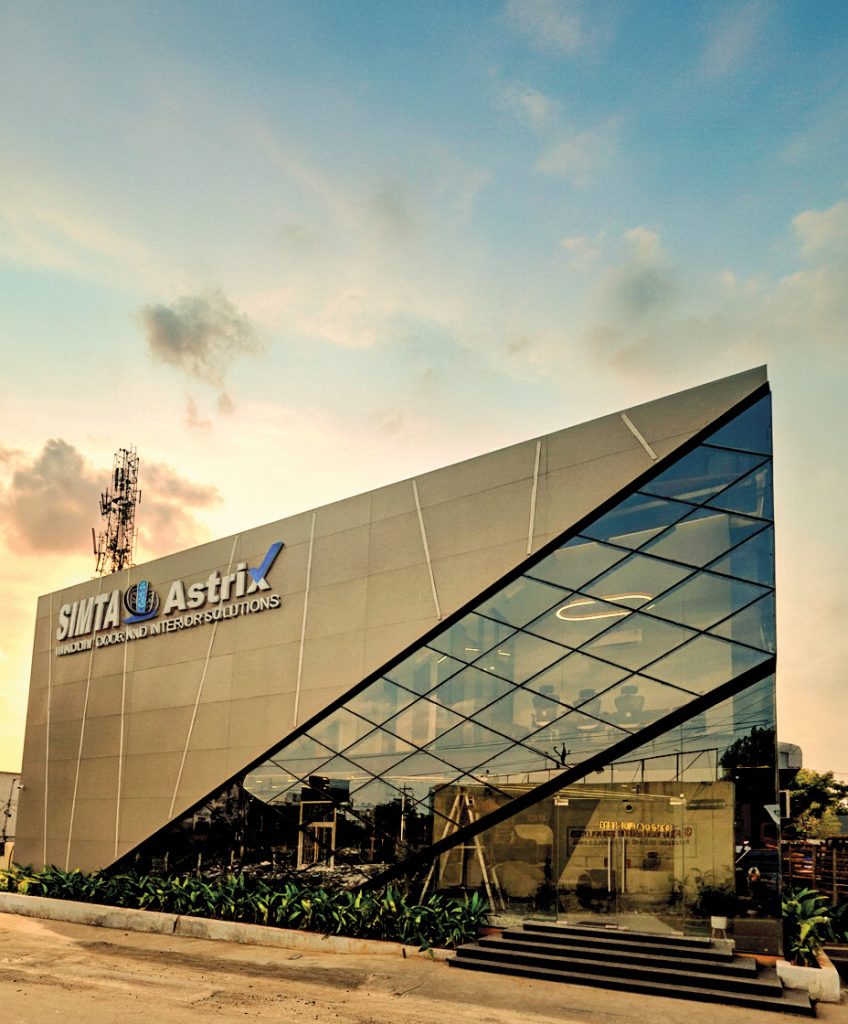
Each project carries the signature of Vedha’s multidisciplinary strength. While Ar. Aravind anchors the vision, Amrithavarshini ensures design finesse and contextual sensitivity, and Ruthira Kumar’s input in adopting advanced technologies and materials keeps the projects at the cutting edge. The result is a portfolio where no two projects are the same, yet all share a common thread of individuality and innovation. Among his most remarkable works is SIMTA Astrix, a 4,000 sq. ft. fenestrations and interior showroom that redefines how product display spaces can be both experiential and functional. With its sleek design language and immersive interiors, the showroom goes beyond being a commercial space, offering visitors a sensory journey through form, light, and materiality.

Equally noteworthy is MJD Suites, a five-star luxury hotel in Vellarada, Thiruvananthapuram, with a capacity of 53 rooms. Here, Ar. Aravind demonstrates his ability to scale his vision—creating not just a hospitality project but a landmark destination. The hotel blends contemporary finesse with regional character, offering comfort and sophistication while staying deeply connected to its natural and cultural context.

In the residential segment, his creativity takes grand form in the Royal Mansion Residence, a sprawling 16,000 sq. ft. home that embodies luxury with soul. Designed as much for living as for experiencing, the mansion balances opulence with warmth, making it a statement of refined taste without losing sight of intimacy and comfort.
On the commercial front, Vijaya Traders at Vytilla, Ernakulam, stands out as an interior products showroom that merges practicality with elegance. The space is designed to be both a retail hub and an architectural experience—inviting, dynamic, and inspiring for clients and designers alike.

Each of these projects, though different in scale and function, is united by Ar. Aravind’s unmistakable signature: spaces that do more than meet needs—they inspire, endure, and tell a story of their own.

Innovation with Purpose

Every project at VEDHA Architects is a unique experiment—an exploration of ideas, materials, and creativity. With such an approach, challenges are inevitable. For Ar. A. Aravind, the most significant challenge lies in material innovation. He seldom repeats finishes or construction methods, constantly motivating his team to push boundaries and uncover fresh possibilities. This pursuit of originality, while rewarding, introduces added layers of complexity—from sourcing and testing to implementing new materials, often impacting both timelines and budgets.

Yet, Ar. Aravind welcomes these challenges as an integral part of the creative journey. He firmly believes that true architecture cannot emerge from comfort zones. However, he is equally aware that clients value stability and dependability. To strike a balance between bold creativity and practical reliability, he emphasizes strong project management, transparent communication, and well-defined responsibilities across all stakeholders. In his words, “Creativity without discipline breeds chaos, while discipline without creativity leads to mediocrity.” His leadership lies in maintaining this delicate equilibrium—where vision and structure work hand in hand to deliver excellence.

Sustainability as a Moral Compass

For Ar. A. Aravind, sustainability is not an afterthought—it is a fundamental responsibility of every architect. He views architecture as more than a reflection of human lifestyle; it is a powerful force shaping the planet’s future. This conviction guides every aspect of VEDHA’s practice—from solar energy integration and energy-efficient planning to responsible material selection and climate-responsive spatial design.

His interpretation of sustainability goes beyond green certifications or standard checklists. It embodies a holistic approach that prioritizes resilience, foresight, and environmental consciousness. A VEDHA home is designed not just for comfort, but for conscience—reducing ecological impact while enhancing the quality of life for its inhabitants.

Through this perspective, Ar. Aravind situates his work within a larger ethical narrative—one where architecture serves as both an artistic expression and a moral duty, ensuring that every creation contributes meaningfully to a more sustainable and compassionate world.

The Man Behind the Vision

Despite his ambitious portfolio and growing recognition, Ar. Aravind remains a deeply grounded individual. Colleagues and clients describe him as someone who listens first and sketches later, who places dialogue above ego, and who is as much a collaborator as he is a creator.

His humility is matched by a quiet intensity. He approaches every project with an almost meditative focus, seeking not just to satisfy functional needs but to uncover the deeper aspirations of his clients. For him, architecture is an intimate process, one that requires trust, empathy, and patience. This is perhaps why his projects resonate so strongly with the people who inhabit them—they are not just designed but deeply understood.

Shaping the Next Chapter of Indian Architecture

As India continues its rapid journey of urban transformation, Ar. A. Aravind believes that the nation’s architectural landscape is on the brink of a new era—one defined not by the choice between tradition and modernity, but by their seamless integration. He envisions a future where architects push creative boundaries while staying deeply connected to cultural roots; where cities rise higher yet remain greener and more humane; and where every structure reflects not merely economic progress, but a deeper commitment to human well-being.

“Buildings are temporary,” he often reminds, “but the lives lived within them—that’s where permanence lies.” This profound belief transforms architecture from a passive backdrop into an active participant in shaping human experience. For Ar. Aravind, the true legacy of architecture is not measured by how long a structure endures, but by how meaningfully it enriches the lives of those who inhabit it.

Designing Legacies, Not Just Landmarks

In an industry often consumed by blueprints, budgets, and deadlines, Ar. A. Aravind stands out as a visionary guided by purpose. His body of work—diverse in scale, style, and geography—is united by a single essence: a design philosophy that celebrates individuality, honors tradition, embraces nature, and thrives on innovation.

Through VEDHA Architects, he continues to craft spaces that go beyond functionality, transforming architecture into a living dialogue between emotion and environment. In doing so, Ar. Aravind is not merely building structures—he is architecting futures that will inspire generations to come.

Pic Courtesy: Pegasus Photography/ images are subject to copyright

featured Interview News

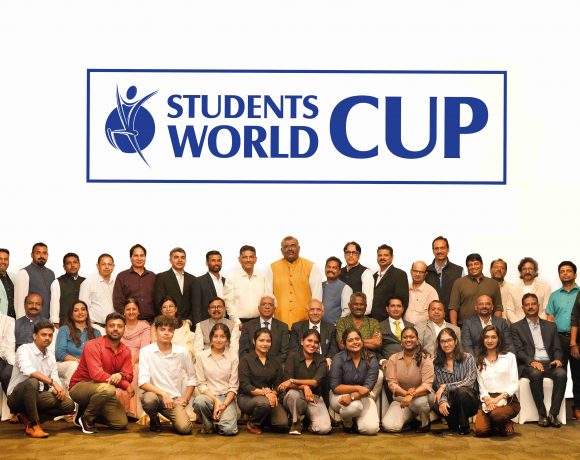
Sometimes, the brightest ideas are born in the toughest times. Ten years ago, when Rajeev Kumar Cheruvara’s real estate business was hit hard by the recession, he could have simply stepped away. Instead, he chose a different path—one that would transform his own journey and open new doors for millions of young athletes around the world. That moment of resilience gave birth to the Students World Cup (SWCC), now set to become one of the most ambitious youth sporting movements in history.

When an Idea Took Center Stage

Rajeev looks back on his beginnings with gratitude and humility. It was his friend Saju’s simple advice—“You initiate… things will follow”—that gave him the courage to take the first step. At his very first official meeting, Justice Dinesh Maheshwari asked everyone in the room to rise—not in honor of Rajeev himself, but in recognition of the powerful idea he had brought forward. “That moment wasn’t about me,” Rajeev recalls. “It was about what we could build together.”

Today, that seed of an idea has grown into something extraordinary. Backed by more than 100 legendary athletes and global patrons, the Students World Cup (SWCC) now carries a valuation of ₹16,000 crore for its first three editions—a testament to a vision that has the strength to match its dreams.

Power of Purpose

The SWCC is not just another tournament. It is a movement dedicated exclusively to school students, aiming to make sports an inseparable part of education. Beginning with Under-17 categories and expanding to Under-15, it spans 36 sporting disciplines, from athletics to swimming. The structure is rigorous—state-level knockouts leading to nationals, and finally, the grand World Cup finals. With prize pools running into crores of rupees, mentorship from legends, and even residential training for exceptional talent, SWCC is designed to create not just winners but a generation of healthier, stronger, and sharper youth.

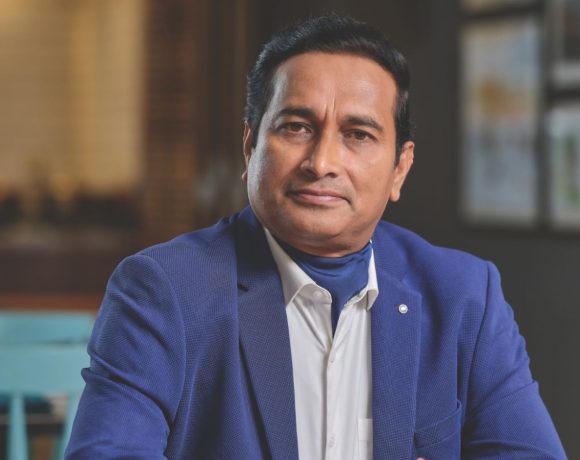
Rajeev Kumar Cheruvara; CEO, SWCG India Ltd & Secretary, SWCC

Leveling the Playing Field

Cricket may be India’s heartbeat, but Rajeev’s dream goes beyond just one game. “Cricket already has a strong platform,” he explains. “It’s the champions in other sports who truly need recognition and support.” That’s why cricket has been intentionally left out of the Students World Cup (SWCC—so the spotlight can shine on athletes from lesser-known disciplines, giving unsung talent the stage it deserves.

A New Home for Sports Excellence

Kochi is all set to become the heartbeat of a sporting revolution. In collaboration with the Ajinorah Group of Companies, the Students World Cup (SWCC) is developing its very first Sports City—a state-of-the-art hub spread across 25 acres near Cochin International Airport.

The campus will feature an international-standard residential sports school, a massive 1 lakh sq. ft. indoor stadium, dedicated arenas for volleyball, basketball, kabaddi, hockey, athletics, football, and a world-class swimming pool. Designed to host global-scale events, it will also include parking for 5,000 vehicles, guest cottages, and service apartments.

This is just the beginning—Sports Cities are also planned for Karnataka, Tamil Nadu, the UAE, and even the Maldives, where the government has offered 108 acres on an atoll. By 2030, when India welcomes the Commonwealth Games, these Sports Cities will stand as the backbone of a new sporting ecosystem.

The Man Behind the Movement

While Rajeev is quick to credit his team, his own journey is no less compelling. An alumnus of IIM Kashipur, he specialises in consumer behaviour, blending data-driven insights with creativity. His book, Marketing Push Customers to Pull the Brand, redefined how marketers approach consumer engagement. His Guinness World Record for building the world’s largest Christmas star is proof of his flair for bold, unconventional ideas. Recognised by the Times of India for his innovative marketing strategies, Rajeev continues to bring the same energy to SWCC—transforming it from an idea into an international movement.

Toward 2036: A Sporting Dream in Motion

The path ahead is mapped with precision. With the first three Students World Cups set for 2026, 2028, and 2030, Rajeev and his team are laying the foundation for something far bigger—the 2036 Olympics, where India’s youth will step onto the world stage not as underdogs, but as true contenders.

“Our motto is simple,” Rajeev says. “To make India the sports capital of the world.”

Backed by global patrons, increasing government interest, and the enthusiasm of thousands of schools eager to participate, this once-distant dream is now beginning to look like an achievable reality.

More Than a Dream, A Movement

For Rajeev Kumar Cheruvara, this isn’t just about chasing a personal vision—it’s about building an ecosystem of purpose. A place where education and sport go hand in hand, where talent meets opportunity, and where young people from across the globe come together beyond borders.

What began as a flicker of hope during his hardest times has grown into a flame bright enough to ignite an entire generation. His journey reminds us of a timeless truth: the most powerful revolutions often start with a single person who dares to believe.

Pic Courtesy: pegasus photography/ images are subject to copyright
Bussiness featured Interview

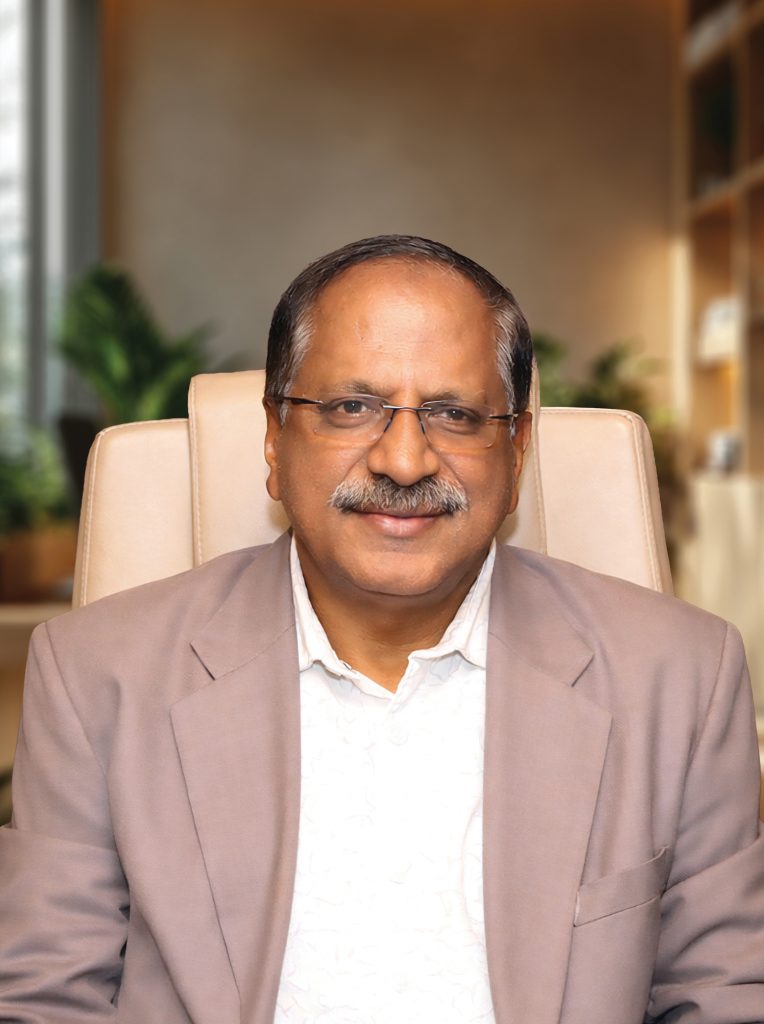
Starting with just three vehicles and no prior industry experience, Manoj Padikkal transformed Padikkal Travels into a trusted name in school transport and tourism through relentless determination, consistency, and a focus on quality. He shares how one opportunity grew into a long-term vision driven by innovation, discipline, and people-centric values. From integrating AI for enhanced safety to building strong industry relationships, his journey is a blend of tradition and technology. More than just managing vehicles and routes, his story is about building trust, upholding responsibility, and making a meaningful difference through dependable service.

In the early days of Padikkal Travels, what was the biggest learning curve you encountered as a newcomer to the industry?

When I launched Padikkal Travels in 2003, I had no background in the transport sector. What truly set things in motion was the support of a trusted contact who believed in my potential and gave me a chance to manage transport services. Sensing the opportunity, I decided to take the plunge with just three vehicles. From that point on, it’s been a continuous learning curve. The most unexpected challenge was stepping into an industry I knew little about—but I was driven to make the most of the opportunity and grow from every experience.

Was there a specific reason or experience that made you focus on the transport sector?

The journey into the transport sector wasn’t something I had planned. It began with a single opportunity. Someone saw a potential in me and offered me my very first contract. I didn’t have experience, but I had determination. After successfully handling that, nearby schools began reaching out, asking if I could take on their transport services, too. That’s when it clicked. I saw a real opportunity to build something meaningful. What started by chance turned into a calling. I realised that with hard work, trust, and consistency, I could create a service that made a difference in people’s daily lives.

Alongside school transport, you’ve built a strong presence in travel and tourism. How different is it in terms of challenges and customer expectations?

Travel and tourism come with their own set of challenges. But compared to school transport, it’s definitely more flexible. School transport demands constant vigilance; you’re responsible for the safety of young children every single day. There’s no room for error. Even a single day off isn’t an option, and if a bus breaks down, it has to be resolved immediately. The expectations are much higher because parents are trusting you with what matters most to them. In tourism, while safety is still a priority, the urgency and emotional responsibility aren’t as intense. Managing school transport teaches you discipline, precision, and accountability, and those values carry over to every other part of the business.

In a service-oriented industry like transportation, what strategies have helped you consistently meet client expectations and resolve issues efficiently?

It begins with building the right team. A strong HR foundation allows us to recruit individuals who not only have the necessary skills but also share our core values—safety, punctuality, and professionalism. We also maintain strict control over vehicle upkeep; all our buses are serviced regularly at our in-house garage to ensure they’re always in top condition. Just as crucial is communication—we prioritize client feedback, conduct regular site visits, and keep open lines of communication at all times. When problems do arise, we address them swiftly and personally. In this line of work, trust is everything, and how you respond makes all the difference.

Over the years, what guiding principle has shaped the way you lead and grow your business?

One principle I’ve always followed is to never compromise on quality and to remain accessible to clients at all times. In a people-centric business like ours, consistency and reliability are what earn long-term trust. Many of our clients have been with us for more than a decade, and that loyalty comes from strong relationships, not just service contracts. Being available, responsive, and committed to high standards every single day has been the key to building and maintaining enduring partnerships.

Your business spans several states and serves many institutions. How do you ensure consistency in service across different locations?

Consistency starts with building a strong foundation, clear systems, well-trained staff, and a shared commitment to quality. Across all our locations, we follow the same standard operating procedures and maintain strict checklists for vehicle maintenance, safety protocols, and daily operations. Our teams are regularly trained and monitored to ensure they uphold the same standards, no matter where they are. We also conduct site visits, gather regular feedback from clients, and stay in constant touch with our teams on the ground. It’s this hands-on approach and attention to detail that help us deliver a seamless experience across the board.

Have there been any moments of feedback from a parent, student, or school that deeply impacted how you see your work?

Definitely. Some of the most impactful lessons came from the early stages of the business, when we received critical feedback. Rather than seeing it as a setback, we took it as an opportunity to improve. That input helped us refine our systems and raise our standards. One piece of advice that stayed with me was to never become complacent—always keep evaluating and evolving. A moment I often recall is when a school principal said, “I never have to worry about transport anymore.” It wasn’t a grand statement, but it spoke volumes about the trust we had built. Feedback like that reminds us of the responsibility we carry and the value of consistency.

Running a demanding business often comes with personal sacrifices. How has your family supported you through the challenges of this journey?

In this line of work, challenges are constant—be it sudden breakdowns, staff shortages, or regulatory changes. During those unpredictable moments, my family’s support has been my foundation. They’ve encouraged me to stay the course during tough phases and have shown patience through long hours and high-pressure situations. More than just emotional support, they’ve given me clarity. When you’re making decisions that impact so many people daily, having a steady, grounding presence matters immensely. Their belief in me and the purpose behind what I do has helped me stay focused, resilient, and committed.

You hold key positions in transport associations like the Kerala Interstate Bus Operators Association and the Bus Operators Confederation of India. How has this exposure shaped your perspective on industry-wide challenges, and do you use those insights to influence your own business decisions?

Being in leadership roles within these associations has given me a much broader view of the transport industry. It’s made me aware of how different the rules, regulations, and taxation systems are across states, what works in one state can be completely different in another. I’ve also seen firsthand some of the key challenges we all face, like driver shortages, regulatory hurdles, and the slow pace of technological adoption in the sector.

At the same time, these roles have helped me build strong networks and stay ahead of industry changes. The insights I gain from discussions with operators across the country often inform how I run my own business. Whether it’s preparing for policy shifts, adopting new technologies, or simply learning from the experiences of others. It keeps me grounded but also forward-looking.

How are emerging technologies like AI shaping the way you manage your transport operations today?

AI is already making a meaningful impact on how we operate at Padikkal Travels. We’ve adopted several smart technologies—AI-based systems help us detect and prevent drunken driving, monitor driver fatigue, and instantly alert us if a driver appears drowsy. GPS integration allows us to optimise routes for better punctuality, while in-bus cameras offer live monitoring to ensure both driver accountability and passenger safety. We also use fuel theft alert systems to curb misuse and enhance operational efficiency. These tools have raised our safety standards, improved reliability, and deepened client trust. In today’s landscape, embracing such innovations isn’t a choice—it’s essential for sustainable growth.

Based on global best practices, what changes would you like to see in India’s school transport system?

I’ve always admired the structured approach seen in countries like Germany and the Netherlands, where school transport is handled with exceptional discipline and care. One standout practice I’d love to see adopted in India is the strict enforcement of road rules around school buses—particularly the rule that prohibits overtaking a bus when children are boarding or disembarking. These countries also have clearly designated zones for pick-up and drop-off, with traffic systems that prioritize student safety. While India has made notable progress, we still lack this level of infrastructure and driver discipline. Adopting such global standards could greatly enhance safety and bring much-needed structure to our school transport system.

Manoj Padikkal with his Family – (From Left) Megha Manoj (Daughter), Madhav Padikkal (Son), Reshmi Manoj (Wife), and Manoj Padikkal (Seated)

Can you share how your family contributes to the business and the role they play in its growth?

My family has been the backbone of this entire journey. My wife, Reshmi Manoj, who holds a postgraduate degree, is a Director at Padikkal Travels and plays a vital role in managing day-to-day operations and ensuring everything runs smoothly behind the scenes. Our daughter, Megha, is also a Director in the company. She has a BA in Economics (Honours) from Christ College, Bengaluru, and recently completed her MA in Public Policy from O.P. Jindal Global University, Delhi. Her academic background adds a unique policy-oriented perspective to the business.

Our son, Madhav, is currently in the 12th grade in Bengaluru, studying arts and humanities. He has already shown great interest in joining the business in the future. As a family, we’ve worked together to build Padikkal Travels into one of the most trusted names in school transport across South India. It’s been a collective journey rooted in shared vision, dedication, and mutual support.

What core mindset do you believe every aspiring entrepreneur should develop?

The most important shift in mindset is understanding that success doesn’t happen overnight. It demands relentless hard work, discipline, and consistency—every single day. Challenges are inevitable, but how you respond to them defines your path.

Even after all these years, there are nights I’m working till 2 a.m., only to wake up again at 4 a.m. to make sure everything is in place. That kind of dedication isn’t optional—it’s what the business requires. Dreaming big is important, but dreams only come true when you back them with unwavering effort and a never-give-up attitude.

Pic Courtesy: Pegasus Photography/ images are subject to copyright

Bussiness featured Interview

From the quiet lanes of Thrissur to the corridors of global recognition, K. Paul Thomas has walked a path few dare to tread—blending finance with faith, business with benevolence, and vision with values. This is the inspiring story of the man behind ESAF, who ignited India’s banking revolution rooted in compassion.

From a Dream to a Nationwide Mission

In 1992, amidst a transformative period in India marked by sweeping economic reforms and the dawn of globalisation, ESAF was launched as a non-governmental organisation (NGO). Just a few years later, in 1995—when the concept of “microfinance” was still largely unfamiliar—a visionary young man from Kerala, K. Paul Thomas, dared to dream differently about finance. This led to the birth of the Micro Enterprises Development (MED) Division under ESAF.

While many were fixated on building profit-driven empires, K. Paul Thomas chose a path less traveled—one centered on empowering people. His focus was on the often-overlooked segment of India’s population: women living in some of the most underdeveloped and remote parts of the country, long excluded from formal financial systems.

At the heart of ESAF’s humble beginnings was a powerful vision: to uplift communities not through handouts or charity, but by enabling dignified access to financial services. “The poor don’t need handouts. They need an opportunity to prove themselves,” he asserted.

Today, after more than three decades, ESAF has transformed from a grassroots initiative into a fully licensed Small Finance Bank. With a presence in over 780 locations across 24 states and 2 union territories, it proudly serves more than 9.4 million customers. Yet, despite its exponential growth, ESAF has never strayed from its founding spirit. It continues to operate not merely as a bank, but as a mission-driven movement grounded in social purpose.

A Pioneer Ahead of His Time

Long before the Kudumbashree movement made waves in Kerala, Paul Thomas had already introduced the idea of Self-Help Groups (SHGs) and joint liability models as powerful tools for transformation. Inspired by Nobel Laureate Prof. Muhammad Yunus and the Grameen Bank model in Bangladesh, he adapted it for Indian realities.

His earliest steps involved going door-to-door in remote villages, forming neighbourhood women’s groups, encouraging savings habits, and offering microloans for home-based businesses. It was hard work, but it worked.

ESAF became one of the earliest proponents of microfinance in India, and Paul Thomas, its unassuming evangelist.

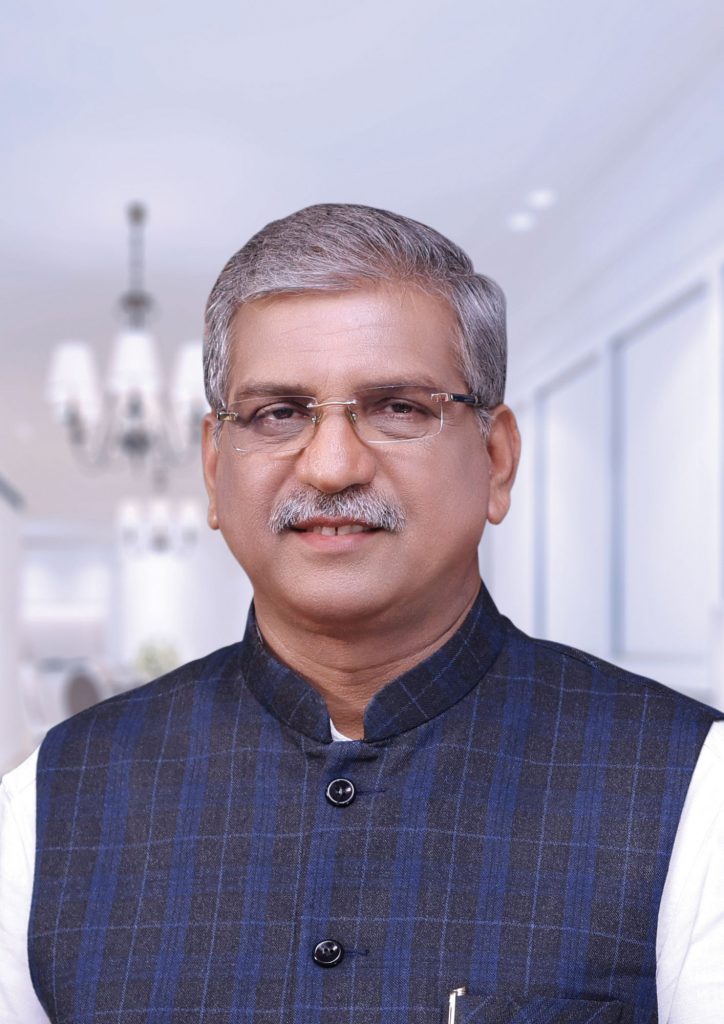
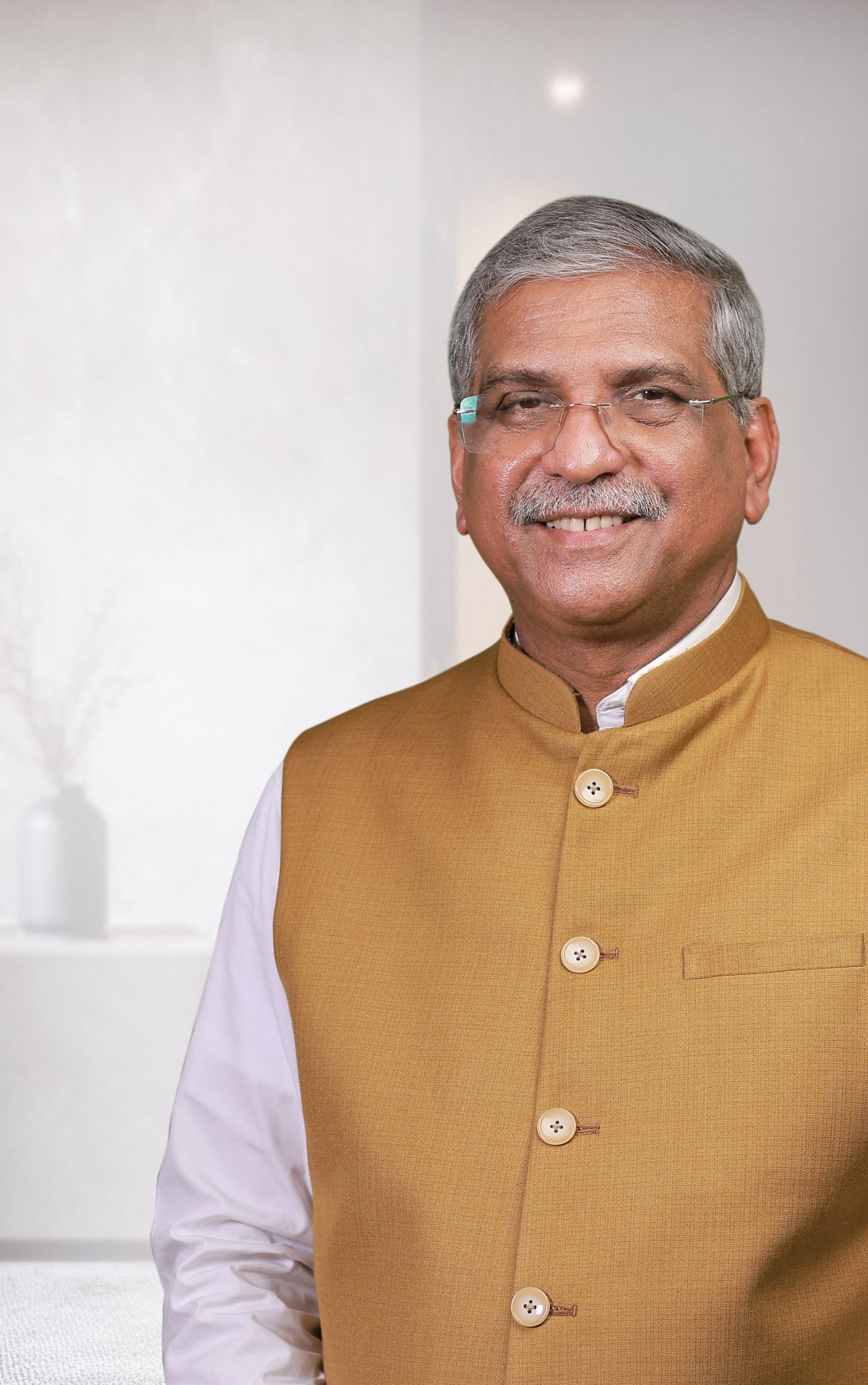
K. Paul Thomas (Managing Director & CEO, ESAF Small Finance Bank)

A Bank Where Lives Matter

When ESAF Small Finance Bank received its banking licence in 2017, it made history as the first bank from Kerala to be licensed after independence. That moment was a culmination of years of persistent work under the sun and the shade—building trust, reaching the unreached, and nurturing a network of believers in inclusive growth.

Today, ESAF Bank stands tall not just in numbers, but in values. Unlike traditional banks, its focus has always been clear: financial inclusion, livelihood support, and community transformation.

Under Paul Thomas’s guidance, the organisation expanded its offerings beyond microloans. It set up leadership training programmes for women empowerment, training programmes for rural entrepreneurship, created market linkages for artisan products, and facilitated access to government schemes. This integrated model became a lifeline for thousands trying to escape the cycle of poverty, and it also helped sustain the ecosystem he created.

His leadership drew investors with a conscience—organisations like Opportunity International (Australia) and Oikocredit of the Netherlands—who backed his dream with dollars.

A Banker Who Serves

Ask anyone who knows him and they’ll vouch that Paul Thomas isn’t just a banker. He’s a servant leader. The term isn’t just a buzzword for him; it defines his ethos. His approach to governance is bottom-up, empowering those at the grassroots to shape their own destinies and escape the iron grip of poverty.

His belief? Leadership is not about being in charge. It’s about taking care of those in your charge. He lives this every day, not only in the policies ESAF adopts, but also in how he leads his teams with empathy, trust, and an unwavering sense of purpose.

Over the years, many prestigious laurels have come his way as signs of recognition for his visionary leadership and social impact. These include the Atal Pension Yojana Big Believers Award 3.0 for the Best Performing MD and CEO, the Circle of Excellence Exemplary Award of Par Excellence instituted by the PFRDA, and the Entrepreneur of the Year Award by TiE Kerala. He was conferred with the TMA Management Excellence Award and the Chamber of Commerce Award. He also received the Icon of Sustainability Award.

Furthermore, he was feted with the FE Pillar of the BFSI Industry Award at the Financial Express Modern BFSI Summit—an acknowledgement of his enduring influence in reshaping banking with purpose and integrity.

Paul Thomas was also recognised as the CEO with HR Orientation at the World HRD Congress in 2022.

Rooted in Values, Recognised Worldwide

As ESAF steadily expanded its presence across India, it remained firmly anchored to its founding principle—that banking should be just, fair, and inclusive. This unwavering belief found resonance far beyond national borders. Under the leadership of K. Paul Thomas, ESAF became the first Indian bank to join the Global Alliance for Banking on Values (GABV), a global network of institutions dedicated to ethical and sustainable banking practices.

But ESAF’s global alignment didn’t stop there. It also joined the World Fair Trade Organisation, strengthening its pledge to uphold social justice on an international scale.

Such dedication to purpose did not go unnoticed. ESAF Small Finance Bank was named a finalist at the prestigious European Microfinance Award not once, but twice—first in 2014 as a Non-Banking Financial Company (NBFC), and again in 2018 as a full-fledged bank.

These recognitions weren’t just about innovation; they were acknowledgments of real, measurable impact.

K. Paul Thomas (Managing Director & CEO, ESAF Small Finance Bank)

Organising the Unorganised

One of Paul Thomas’s most notable contributions has been his relentless focus on the unorganised sector. In a country where informal workers form the majority, yet remain invisible to formal institutions, he saw a gap—and an opportunity. Through ESAF, he brought these communities into the fold—not just as borrowers, but as stakeholders in development.

Skill training programmes were rolled out, and artisans were given branding and marketing support. His initiatives also lent a helping hand to farmers in accessing fair trade markets. And above all, individuals were given the dignity of being seen, heard, and supported. This holistic approach created not just financial inclusion but also social empowerment. He deserves applause for being a bridge builder between the unorganised sector and the formal economy, thereby empowering countless individuals and communities.

Wearing Many Hats With Elan

While ESAF is his flagship legacy, K. Paul Thomas wears many hats with panache. He formerly served as the President of the Thrissur Management Association, and the Chairman of CII Kerala Chapter. Currently, he is the Chairman of Sa-Dhan, a Self-Regulatory Organisation for community development finance institutions.

In each role, he continues to champion the cause of inclusive development—ensuring that financial systems evolve not just for profit, but for people and the planet. Although his academic background gave him the technical grounding, it was his values and vision that truly shaped his legacy.

Awards Are Great, Impact Is Better

Under Paul Thomas’s leadership, ESAF Small Finance Bank has not just grown—it has thrived on values. In 2018, the bank attained Scheduled Commerce Bank status. The institution has garnered numerous accolades that highlight its trailblazing efforts in the financial sector. Among its most notable recognitions is the prestigious title of Rising Brand of Asia 2021–2022 by BARC Asia, which acknowledged ESAF’s exceptional growth and visibility in the Asian market. The Leadership Capital and Makers of Excellence Award, instituted by the Pension Fund Regulatory and Development Authority (PFRDA), further validated the bank’s commitment to ethical governance and impactful leadership. Additionally, ESAF received an Honourable Mention at the Global SME Finance Awards 2021, organised by the International Finance Corporation, placing it among the most innovative and effective institutions supporting small and medium enterprises worldwide. Later in 2023, he steered ESAF Small Finance Bank to successfully launch its IPO, which was oversubscribed 77 times.

Yet, for Paul Thomas, such recognitions, while meaningful, are not the ultimate goal. He views them as encouraging affirmations rather than endpoints. His deepest sense of fulfilment stems not from trophies or titles, but from the real and lasting changes in the lives of those ESAF serves. For him, success lies in human stories—of resilience, dignity, and empowerment. He believes the true measure of success is transformation—not balance sheets.

K. Paul Thomas (Managing Director & CEO, ESAF Small Finance Bank)

A Story Still Being Written

At 62, with decades of impact behind him, K. Paul Thomas remains as committed and passionate as ever. He believes India’s next big revolution is not digital or industrial—but social.

“The marginalised must be brought to the mainstream,” he often says, “not through force or charity, but through dignity and opportunity.” In a world obsessed with unicorns and billion-dollar valuations, Paul Thomas stands as a gentle giant—building an empire of empathy, trust, and values.

His journey is a testament to what happens when business meets compassion, when banking becomes a vehicle for justice, and when a single individual chooses to walk the path less taken—with courage, clarity, and commitment.

A Name You Can Trust

Paul Thomas is more than the founder of a bank. He is the founder of a movement of trust. He believed in the poor when no one else did. He brought dignity to development. And he proved that the most sustainable business model is one rooted in humanity.

As India moves forward into a future of rapid change, leaders like him remind us of the timeless values that truly move the world—compassion, courage, and community.

Pic Courtesy: Pegasus Photography/images are subject to copyright