featured News Trending

Germany’s armed forces face a critical recruitment shortfall that could force Berlin to reinstate compulsory military service if voluntary efforts fail, the country’s Parliamentary Commissioner for the Armed Forces has warned. In his annual report, Commissioner Henning Otte said personnel shortages remain the Bundeswehr’s most pressing bottleneck as Germany seeks to strengthen its military capabilities amid heightened security concerns over Russia and pressure from the United States.

Chancellor Friedrich Merz’s government has pledged to rebuild the Bundeswehr into Europe’s strongest conventional army after years of underinvestment. Berlin aims to expand active troop numbers to 260,000 from nearly 185,000 and double reservist strength to 200,000 by the mid-2030s. As part of this effort, authorities have introduced a voluntary model requiring all 18-year-olds to complete a questionnaire indicating their interest in military service.

However, the report cautions that modest gains in troop numbers — about 3,000 additional active soldiers by the end of 2025 — may not be enough to meet ambitious targets. Demographic decline, competition for skilled workers and high dropout rates are limiting growth. The commissioner warned that political goals risk outpacing military realities, adding that a return to compulsory service may become necessary if voluntary recruitment does not deliver sufficient personnel.

Pic courtesy: google/ images are subject to copyright
featured News

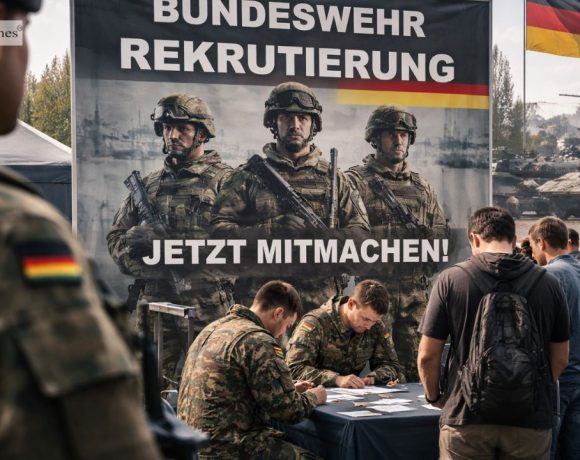
Germany’s coalition government has agreed on a new military service plan aimed at significantly expanding the Bundeswehr amid growing security concerns in Europe. Starting next year, all 18-year-old men will be required to complete a military service questionnaire, with women participating voluntarily. From 2027, mandatory medical examinations for men will follow. The plan is designed to help Germany build Europe’s strongest conventional army and could pave the way for compulsory enlistment if targets aren’t met.

The government aims to boost active troop strength from around 182,000 to as many as 260,000 by 2035, supported by an additional 200,000 reservists. Defence leaders—including Rheinmetall CEO Armin Papperger—believe the goal is achievable within five years, especially as NATO pressures member states to strengthen defence capabilities in response to potential threats from Russia. Recent warnings from German defence officials have emphasised the need to be fully prepared by 2029.

However, the plan faces strong opposition from Germany’s political left and many young people, who argue that compulsory service infringes on personal freedom. Protests have emerged, with some youths expressing fear of being drawn into conflict, while others have voluntarily enlisted citing a desire to protect democracy. Defence Minister Boris Pistorius has attempted to reassure the public, insisting that a stronger, better-equipped military serves as a deterrent and reduces the likelihood of Germany entering a conflict.

Pic Courtesy: google/ images are subject to copyright
News Trending

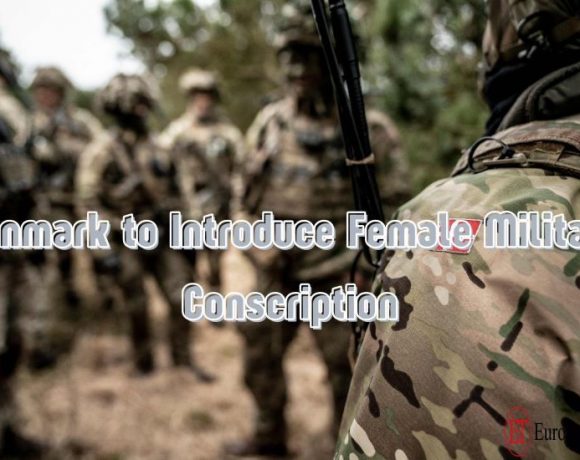
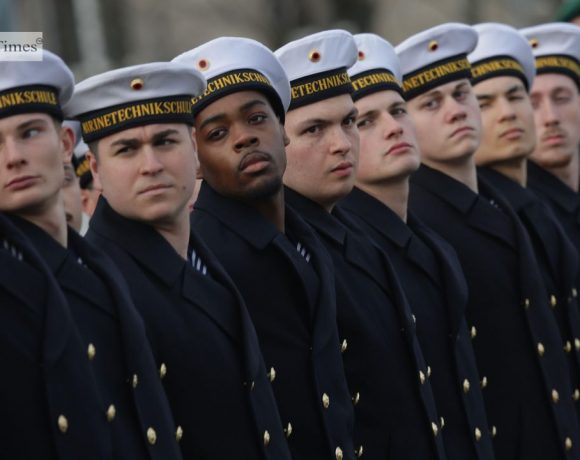
Denmark has announced significant reforms to its military, including extending conscription to women for the first time and increasing the standard service duration. This decision is part of a plan to bolster its defense capabilities and align with NATO targets amid heightened tensions in Europe following Russia’s invasion of Ukraine in 2022.

Prime Minister Mette Frederiksen emphasized that the aim of these reforms is not to seek conflict but to prevent it. The government intends to achieve gender equality in the armed forces, with Defence Minister Troels Lund Poulsen stressing that more inclusive conscription will address defense challenges and contribute to national mobilization.

Denmark will become the third European nation, after Norway and Sweden, to mandate women’s conscription starting from 2026, alongside extending service duration for both genders from four to 11 months. These changes aim to increase the number of individuals serving in the military annually from 4,700 to 5,000, with approximately 25% being women.

With a current armed forces strength of around 20,000 personnel, Denmark, with a population of nearly six million, plans to raise its military spending from 1.4% to 2% of GDP to meet NATO’s requirements. Lawmakers have taken measures such as abolishing a public holiday to redirect funds towards defense spending.

Denmark has been a staunch supporter of Ukraine, providing advanced weapons, financial aid, and training to Ukrainian pilots on F-16 fighter jets. Additionally, Finland and Sweden have recently joined NATO as the alliance strengthens its defenses in Europe amid ongoing geopolitical tensions.

Picture Courtesy: Google/images are subject to copyright