featured News Trending

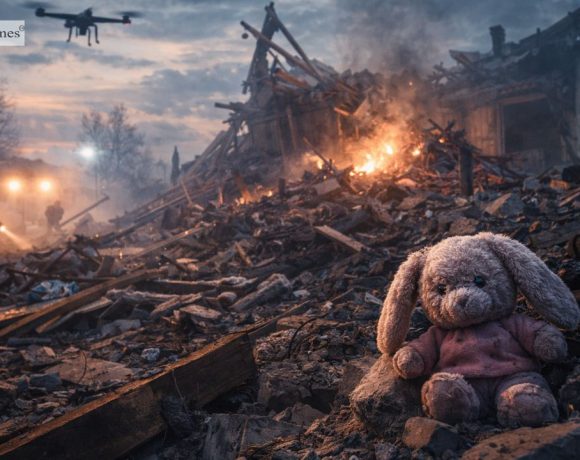
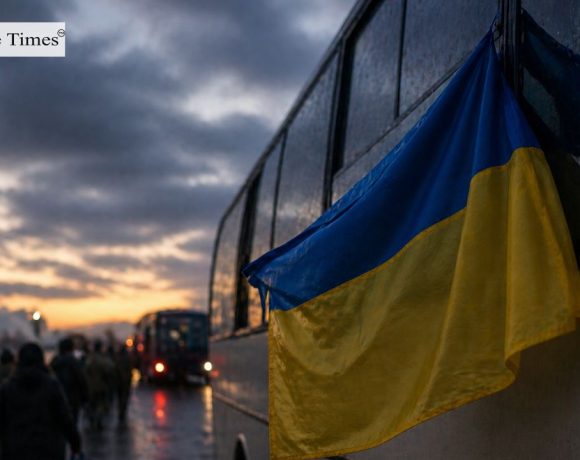
A Russian drone attack in Bohodukhiv, Kharkiv region, killed three young children and their father, while injuring the pregnant mother, local officials reported. The victims were twin boys Ivan and Vladyslav, aged two, and their one-year-old sister Myroslava, along with their 34-year-old father, Hryhoriy. The mother, Olha, 35, sustained minor burns but survived. The family had recently relocated from a town near the Russian border, seeking refuge from ongoing shelling.

The attack marks a renewed wave of Russian strikes following a short pause, with the Kharkiv region under near-daily assaults. Regional authorities described the incident as “brutal,” noting that tens of thousands of residents face severe power outages and lack of heating, worsened by Moscow targeting energy and transport infrastructure.

In parallel, Russian forces hit other areas including Slovyansk, causing further casualties, while Ukraine launched retaliatory drone attacks on Volzhsky in Russia’s Volgograd region. Ukrainian President Volodymyr Zelensky emphasized the continued strain on civilians and noted ongoing international efforts, including upcoming U.S.-hosted talks, to end the war that began in February 2022.

Pic courtesy: google/ images are subject to copyright
featured News Trending

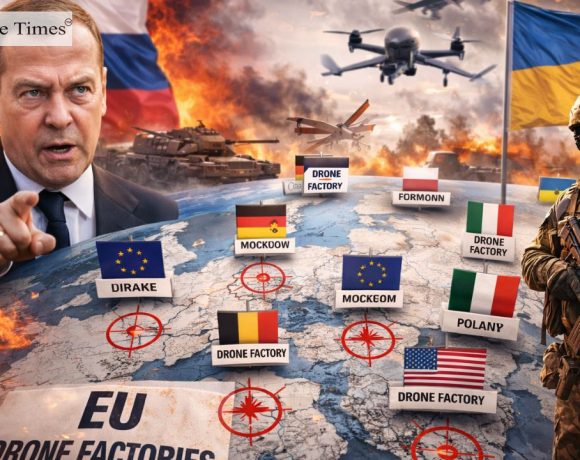
Ukrainian President Volodymyr Zelensky announced that the US aims to end the war with Russia by June, inviting both sides to hold talks in the United States next week, likely in Miami. Zelensky confirmed Ukraine’s participation but noted that difficult issues, including territorial concessions, remain unresolved. For the first time, leaders may be involved in trilateral discussions, though preparatory steps are required before this can happen.

Meanwhile, Russia continues to target Ukraine’s energy infrastructure, causing widespread blackouts amid freezing temperatures. More than 400 drones and 40 missiles struck power plants, substations, and transmission lines, affecting regions such as Lviv, Ivano-Frankivsk, and Rivne. Thousands of Ukrainians remain without electricity, forcing many to take shelter in metro stations. Ukraine has also retaliated with strikes on Russian military and industrial facilities in Tver and Saratov regions.

Since Russia’s full-scale invasion nearly four years ago, more than 55,000 Ukrainian soldiers have been killed, with nearly 160,000 Russian military casualties confirmed. Zelensky emphasized that Moscow should not be allowed to leverage the harsh winter to pressure Ukraine. Despite ongoing diplomacy, the conflict continues to inflict severe humanitarian and infrastructural damage.

Pic courtesy: google/ images are subject to copyright
featured News Trending

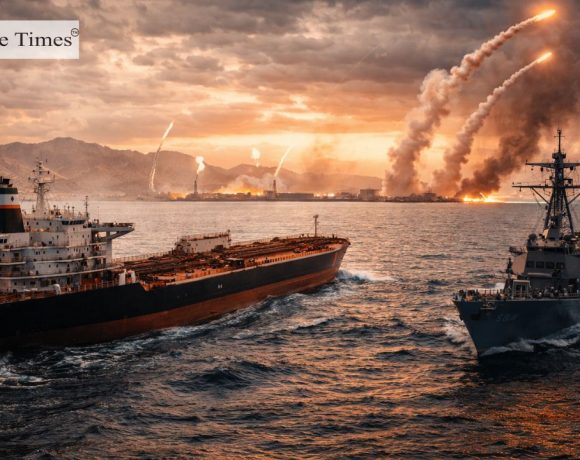
Russian forces launched attacks on Ukraine’s two largest cities, Kyiv and Kharkiv, early Saturday, resulting in one confirmed death and at least 15 injuries. In Kyiv, Mayor Vitali Klitschko reported fires in multiple districts along the Dnipro River, as power, heating, and water supplies were disrupted. Both drones and missiles were used in the assault, damaging a medical facility among other buildings.

In Kharkiv, approximately 30 km from the Russian border, Mayor Ihor Terekhov said 25 drones struck several districts over a two-and-a-half-hour period, hitting a dormitory for displaced persons, a hospital, and a maternity ward. At least 11 people were injured during the attacks. Emergency services continued working to restore essential utilities in freezing overnight temperatures.

The strikes came shortly after Ukraine, Russia, and US negotiators concluded the first day of talks in the UAE aimed at resolving the nearly four-year conflict. Despite ongoing diplomatic efforts, the attacks underscore the continuing volatility and human toll in the conflict zones.

Pic courtesy: google/ images are subject to copyright
News Trending

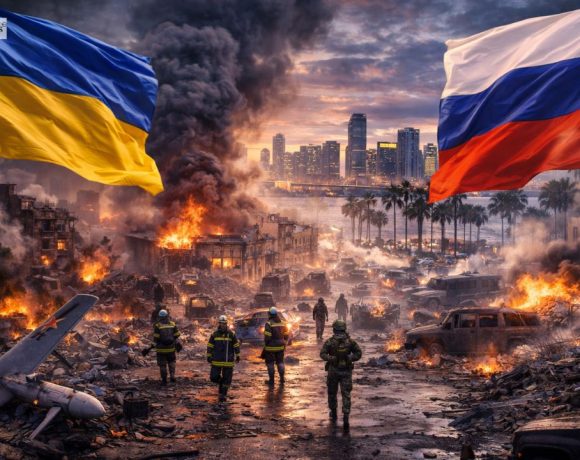
Researchers studying the migration patterns of Greater Spotted Eagles have found that these birds altered their usual routes across Ukraine in response to the conflict and environmental damage caused by war. They believe the eagles avoided dangers such as artillery fire and troop buildups, likely due to damage to their habitats.

The study, published in Current Biology by researchers from the Estonian University of Life Sciences and the British Trust for Ornithology, reveals that the eagles deviated significantly from their usual paths, spent less time at refueling sites, and traveled longer distances. These changes resulted in delays and increased energy expenditure for the birds.

While all tracked birds survived, the researchers are concerned about the potential long-term effects on their breeding capabilities. As the Greater Spotted Eagle is classified as a vulnerable species, any disruption to their migratory patterns and breeding performance is considered a significant conservation concern.

Picture Courtesy: Google/images are subject to copyright
News Trending

The Kremlin has announced the removal of long-time ally Sergei Shoigu from his position as defense minister, replacing him with Deputy Prime Minister Andrei Belousov, who lacks significant military experience. Shoigu will be appointed secretary of Russia’s Security Council. This move, a rare reshuffle in Russian politics, is seen as reflecting President Putin’s decision-making authority, particularly regarding the conflict in Ukraine.

Belousov’s appointment surprises many due to his background as an economist. However, analysts suggest this decision aligns with Putin’s aim to integrate the Russian economy more closely with military efforts. Kremlin spokesperson Dmitry Peskov emphasized the need for innovation in the defense ministry, comparing Russia’s situation to the mid-1980s Soviet Union when a large portion of GDP was allocated to military spending.

The decision to appoint a civilian to such a significant military role underscores the changing priorities within the Kremlin and the necessity to improve efficiency in the armed forces amid ongoing conflicts. Recent events, including the arrest of one of Shoigu’s deputies on corruption charges and prolonged military engagement in Ukraine, likely contributed to speculation about Shoigu’s weakening position.

While Shoigu will retain influence as secretary of the Security Council, his reassignment may be interpreted as a demotion. The future of Nikolai Patrushev, the council’s current head, remains uncertain. Shoigu, who has a civil engineering background, gained prominence in the 1990s as head of the emergencies and disaster relief ministry.

Belousov, described as a staunch defender of the state who believes Russia faces numerous external threats, shares a close relationship with Putin and the Russian Orthodox Church. He has practiced martial arts, including karate and sambo, and previously served as an aide to Putin. His support for the annexation of Crimea in 2014 aligns with Putin’s policies.

Putin’s recent reelection for a fifth term with an overwhelming majority solidifies his leadership position in Russia, which he has held since 2000.

Picture Courtesy: Google/images are subject to copyright

News Trending

The United States has accused Russia of violating international laws by allegedly deploying chemical weapons as a method of warfare in Ukraine. Specifically, they claim that Russia used the chemical agent chloropicrin to gain battlefield advantages over Ukrainian forces. These accusations, according to US officials, are not isolated incidents and would breach the Chemical Weapons Convention, to which Russia is a signatory.

However, the Kremlin has rejected these accusations as baseless, asserting that Russia adheres to its obligations under the Chemical Weapons Convention. The Organisation for the Prohibition of Chemical Weapons defines a chemical weapon as a substance used to cause intentional harm through its toxic properties, and chloropicrin falls under this category. The use of chloropicrin in warfare is explicitly prohibited under the Chemical Weapons Convention.

Additionally, there are claims that Russia has also used riot control agents, such as tear gas, during the conflict in Ukraine. President Joe Biden has previously warned Russia against the use of chemical weapons, stating that there would be severe consequences if such actions were taken.

Despite warnings, there have been reports of chemical attacks, with Ukrainian troops reportedly facing increasing instances of exposure to toxic gases. The US has sanctioned individuals and entities linked to Russia’s biological and chemical weapons program in response to these allegations.

There have also been concerns about Russia’s compliance with the Chemical Weapons Convention, with accusations of incomplete declarations of its stockpile. Previous incidents, such as the Salisbury attack and the poisoning of Alexei Navalny, have raised doubts about Russia’s adherence to international agreements.

Amidst these allegations, Russian forces continue their advance in eastern Ukraine, with ongoing fighting around strategic locations. Ukrainian President Volodymyr Zelensky has taken action against allegations of corruption within the Ukrainian Security Service, while Human Rights Watch has called for a war crimes investigation into alleged executions of surrendering Ukrainian troops by Russian forces.

Picture Courtesy: Google/images are subject to copyright

News Trending

Ukraine’s President Zelensky has expressed concerns over Russia’s offensive tactics amid delays in Western weapon deliveries, particularly from the US, despite a recently approved $61 billion aid package. Zelensky emphasized the urgency of faster deliveries, citing the need for artillery shells and air defense systems to counter Russian aggression.

The situation escalated after a Russian missile strike killed four civilians and wounded dozens in Odesa. Russian forces also claimed the capture of additional villages in eastern Ukraine, heightening tensions along the frontline.

NATO Secretary-General Stoltenberg echoed Zelensky’s sentiments, acknowledging Ukraine’s urgent need for weapons and the detrimental impact of delayed aid on the battlefield. However, he expressed optimism that forthcoming arms deliveries could help bolster Ukraine’s defenses.

Stoltenberg reaffirmed NATO’s support for Ukraine’s eventual membership but downplayed the possibility of an official invitation at the upcoming Washington summit. Meanwhile, Ukrainian forces reported withdrawals from positions in Donetsk amidst intensified Russian attacks.

The dire humanitarian situation was underscored by the harrowing journey of a 98-year-old woman who traversed several kilometers to escape shelling in the eastern village of Ocheretyne. Her ordeal serves as a poignant reminder of the human cost of the conflict.

The long-awaited approval of US military aid offers hope for replenishing Ukraine’s dwindling supplies, which have been stretched thin amid the ongoing conflict. Delays in aid delivery have been attributed to the loss of lives and territory, highlighting the critical need for timely support from Western allies.

Picture Courtesy: Google/images are subject to copyright

News Trending

Ukrainian President Volodymyr Zelensky has approved a legislation reducing the military mobilization age from 27 to 25, aiming to bolster Ukraine’s armed forces amid heavy losses in the ongoing conflict with Russia. The decision, which was previously passed by MPs in May 2023 but awaited Zelensky’s signature, comes amid concerns over potential Russian offensives in the coming months.

Zelensky had expressed the need for an additional 500,000 soldiers, and this move is seen as a step towards replenishing reserves, especially as volunteer numbers had declined. The intention behind the law’s enactment now may be linked to strategic preparations against possible Russian advancements.

The conflict between Ukraine and Russia has reached a stalemate, with Ukrainian forces unable to make significant territorial gains due to Russian military superiority and formidable defenses. Furthermore, Ukraine’s military operations have been constrained by a reduction in foreign aid, particularly from Western sources, which have been hindered by political disputes.

The casualty figures on both sides remain contentious. While Russian President Vladimir Putin has not disclosed the number of Russian military personnel casualties, a US intelligence report estimated significant losses among Russian forces. Likewise, Ukrainian casualties have been substantial, with conflicting reports on the exact numbers of soldiers killed and injured.

Overall, Zelensky’s approval of the bill reflects Ukraine’s determination to bolster its defenses in the face of ongoing conflict and potential future escalations with Russia.

Picture Courtesy: Google/images are subject to copyright

News Trending

Moscow is orchestrating a significant effort urging residents in occupied parts of Ukraine to participate in Russia’s presidential election. The election, spanning three days for the first time, is being supplemented with early voting in regions under occupation, including Zaporizhzhia, Kherson, Donetsk, and Luhansk.

Reports indicate coercion tactics, with pro-Russian collaborators and armed soldiers visiting households with ballot boxes to encourage voting. While Vladimir Putin’s victory seems assured, a high turnout would bolster Kremlin’s legitimacy and potentially justify Russia’s invasion of Ukraine.

Residents are pressured through various means, including home visits by electoral representatives accompanied by armed individuals, data collection, and filming. Despite resistance and attacks on election organizers, Moscow continues to promote the vote as an endorsement of Putin’s leadership, using symbols associated with the Ukraine conflict.

However, critics denounce the process as undemocratic and farcical, citing intimidation tactics, forced participation, and the absence of genuine opposition. Many residents, fearful of repercussions, reluctantly comply with the orchestrated election process.

Picture Courtesy: Google/images are subject to copyright

News Trending

Hungarian Prime Minister Viktor Orban recently stated that if Donald Trump were to be re-elected as the President of the United States, he would not provide funding for Ukraine’s fight against Russia’s invasion. Orban asserted that Trump has made assurances to swiftly end the conflict if elected again, albeit without offering detailed plans. According to Orban, Ukraine lacks the capacity to sustain the war without financial and military support from the United States.

Orban’s vocal support for Trump was evident during his recent visit to Florida, where he met with the former president. Notably, Orban did not arrange a meeting with the incumbent US President, Joe Biden. This move has raised eyebrows, particularly as it’s unusual for a visiting foreign leader not to meet with the current administration. Orban’s stance on Ukraine stands in contrast to many European Union leaders who advocate for providing aid to Ukraine and criticize Orban’s close relationship with Russian President Vladimir Putin.

Concerns are growing within the international community that a potential second Trump presidency could lead to a reduction in US assistance to Ukraine and NATO. The deadlock in the US Congress over a foreign aid bill further exacerbates these worries. Influenced by Trump’s stance, Republican lawmakers are insisting on additional funding for border security before advancing the bill. Trump himself has suggested offering loans to Ukraine instead of providing aid without conditions.

Meanwhile, as Russian forces continue to make gains in eastern Ukraine, the country faces acute shortages of ammunition. Ukraine heavily relies on weaponry from the US and other Western allies to counter Russia’s significant military strength. The ongoing conflict underscores the critical importance of international support for Ukraine in its struggle against Russian aggression.

Picture Courtesy: Google/images are subject to copyright