featured News Trending

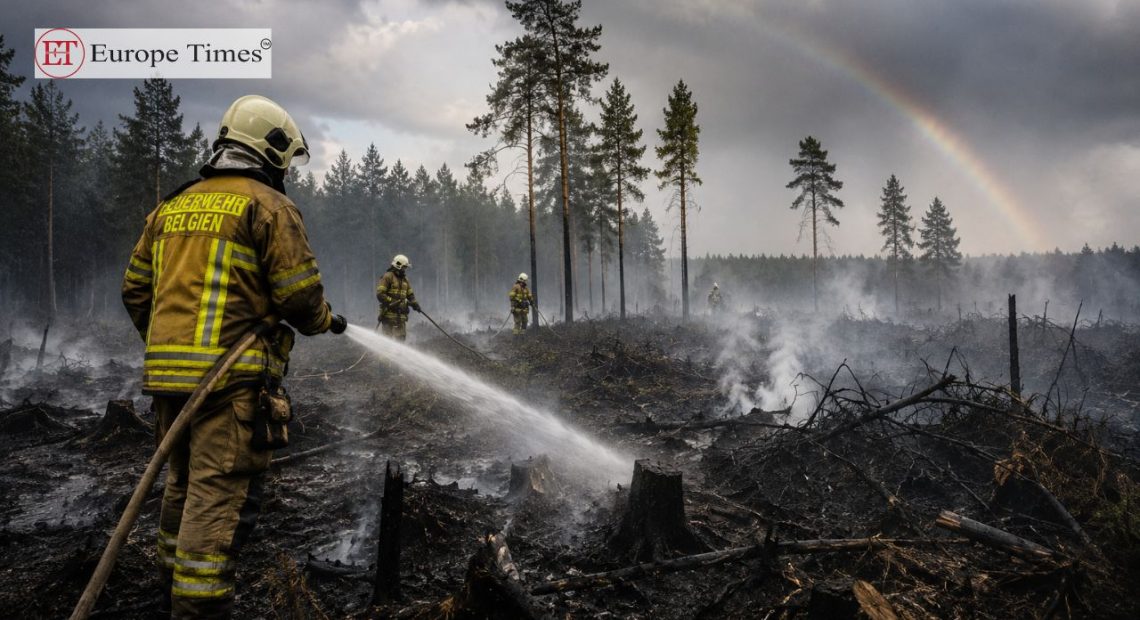
Germany has announced a sweeping climate programme aimed at meeting its 2030 targets and reducing reliance on fossil fuels, allocating €8 billion to fund the initiative. The plan comes as concerns grow over rising energy prices and supply disruptions, partly linked to global tensions such as the Iran war. It outlines 67 measures designed to accelerate the country’s transition to cleaner energy.

Europe’s largest economy is targeting a 65% reduction in greenhouse gas emissions from 1990 levels by 2030 and aims to achieve climate neutrality by 2045. However, current progress stands at around 48%, with experts warning that existing policies are insufficient. The new strategy focuses on expanding wind energy, boosting electric vehicle adoption, and supporting industries in shifting to low-carbon technologies.

Environment Minister Carsten Schneider said the measures would cut millions of tonnes of CO₂ emissions while significantly reducing natural gas and petrol consumption by the end of the decade. The plan also includes efforts to strengthen forests and soil ecosystems, positioning climate action as both an economic and environmental priority.

Pic courtesy: google/ images are subject to copyright

featured News Trending

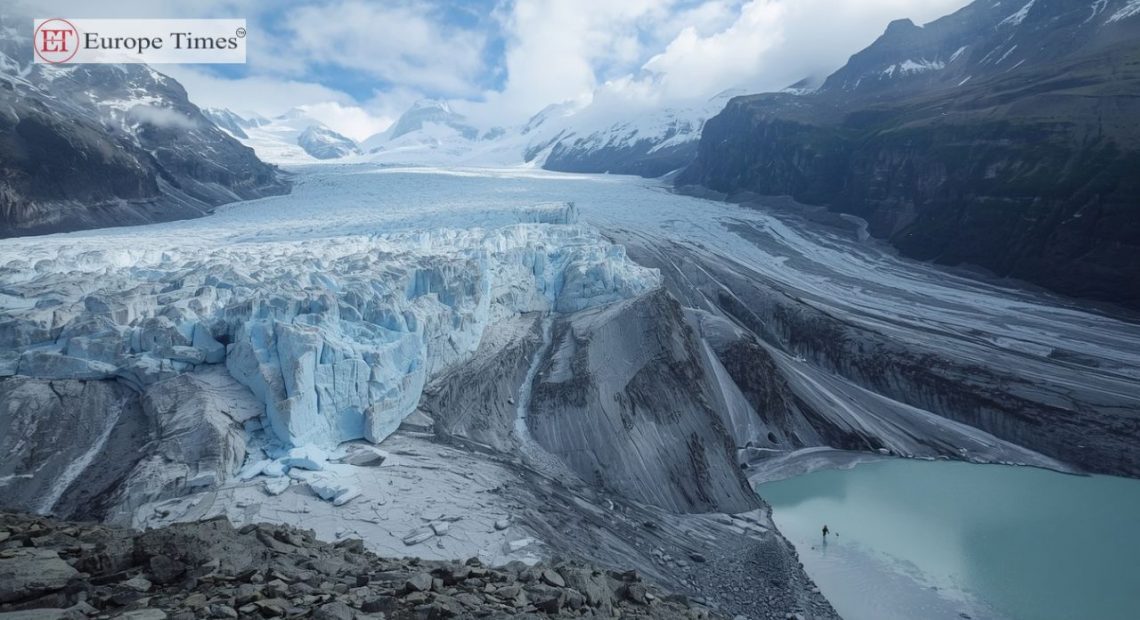
Scientists say glaciers in the Austrian Alps are not only shrinking but also breaking apart due to the growing impact of climate change. A new report from the Austrian Alpine Club found that 94 of the 96 glaciers monitored in the past year have reduced in size, with researchers warning that many are entering a phase of “structural disintegration” where ice sections collapse and rock surfaces become exposed.

The report highlights severe losses in several glaciers, including the Alpeiner Ferner in Tyrol, which retreated by more than 114 meters, and the Stubacher Sonnblickkees in Salzburg, which shrank by nearly 104 meters. Austria’s largest glacier, the Pasterze in Carinthia, is also rapidly shrinking, with scientists warning that its lower section could soon break away and split the glacier in two.

Researchers attribute the accelerated melting to unusually warm conditions, including a winter with little snowfall and an early summer with temperatures almost 5°C above average. Experts warn that rising temperatures in the Alpine region are increasing extreme weather events and natural hazards, while the disappearance of glaciers is already transforming landscapes and threatening mountain infrastructure.

Pic courtesy: google/ images are subject to copyright

featured News Trending

Storm Leonardo battered Spain and Portugal with torrential rain on Thursday, triggering widespread flooding, fresh evacuation orders and multiple casualties. A man was killed in southern Portugal after his car was swept away by floodwaters, while Spanish rescue teams continued searching for a woman who was dragged into a river as she tried to save her dog, authorities said.

The storm is the latest in a series of severe winter systems to hit the Iberian Peninsula since the start of 2026, causing deaths, property damage and major disruptions. Scientists say flooding across Europe is becoming more frequent as climate change warms the atmosphere, allowing it to hold more moisture. In Spain’s Andalusia region, the mountain village of Grazalema recorded as much rainfall in just 16 hours as Madrid typically sees in an entire year.

Authorities evacuated Grazalema’s roughly 1,500 residents as water flooded homes and surged through steep streets, while two nearby reservoirs were close to overflowing. In Portugal’s Alcacer do Sal, residents waded through waist-deep water after the Sado River burst its banks, submerging shops and restaurants. With another storm expected over the weekend, officials warned that conditions could worsen across the region.

Pic courtesy: google/ images are subject to copyright

featured News

In Croatia’s Istria region, truffle hunter Ivana Karlic Ban and her dogs scour the autumn forests for white truffles — one of the world’s most expensive delicacies, fetching up to €7,000 per kilogram. These rare fungi, which grow underground from September to December in harmony with certain trees, are found only in Croatia and Italy and cannot be cultivated like their black counterparts.

Karlic Ban, a third-generation truffle hunter, continues her family’s long-standing tradition in the village of Paladini near Buzet. Together with her brother, she runs a shop offering unique truffle-based creations, including truffle-infused chocolate and even dog treats. Their business celebrates Istria’s rich culinary heritage while adapting to modern gourmet tastes.

However, the white truffle’s future is under threat. Climate change and deforestation have diminished its natural habitat, leading to lower yields. “Severe droughts stop the fungus from forming, while heavy rains make it rot,” Karlic Ban explains. With fewer truffles being found each season, prices continue to climb — turning the hunt into a race against time and nature.

Pic Courtesy: google/ images are subject to copyright

News Trending

Swiss women who won a landmark climate change ruling at the European Court of Human Rights (ECHR) are feeling shocked and betrayed by their parliament’s refusal to comply with the decision. These women, referred to as the “climate seniors,” had previously argued in Strasbourg, France, that the Swiss government’s inadequate response to climate change, particularly extreme heat events linked to global warming, was harming their right to health and life.

In April, the court sided with them and mandated Switzerland, which has yet to meet its greenhouse gas emission reduction targets, to take more action. The court’s rulings are binding for member states, making this decision unprecedented. Climate activists had hoped it would set a precedent for using human rights law to protect citizens from health harms caused by worsening environmental conditions.

However, on Wednesday, the Swiss parliament voted against adhering to the ECHR’s ruling, claiming Switzerland already had an effective climate strategy in place. The parliamentary debate was emotionally charged, with right-wing politicians criticizing what they saw as overreach by “foreign judges,” while Green Party members condemned the discussion as “shameful” and “populist.”

Despite Switzerland’s struggles to meet its Paris Climate Agreement goals, which aim to limit global warming to 1.5°C above pre-industrial levels, opinion polls show many Swiss are concerned about climate change. The Alpine region is particularly vulnerable, with studies indicating that its glaciers, crucial to Europe’s water supply, could vanish by the century’s end if temperatures continue to rise.

The Swiss value their direct democracy system and prefer making decisions themselves, which explains why the “foreign judges” argument resonates with them. Recently, voters supported government proposals to increase renewable electricity production, though environmental groups argue these measures are insufficient to meet climate goals. Polls show a majority of Swiss voters oppose the ECHR’s involvement, believing the country is already doing enough to protect the environment.

Other nations, particularly the United Kingdom, are closely watching Switzerland’s rejection of the ECHR ruling. The UK government has faced pushback from the Strasbourg court over its plan to deport asylum seekers to Rwanda, leading some British voters to suggest leaving the court. However, such a move is unlikely in Switzerland, at least for now.

The final decision on whether to comply with the ECHR’s climate ruling rests with the Swiss government, which will announce its verdict in August. The ECHR did not specify what Switzerland must do, only that it must take more action. In a typical Swiss compromise, the government might present a list of measures taken since the climate seniors began their case, hoping for acceptance. If not, the climate seniors may return to court.

Picture Courtesy: Google/images are subject to copyright

News Trending

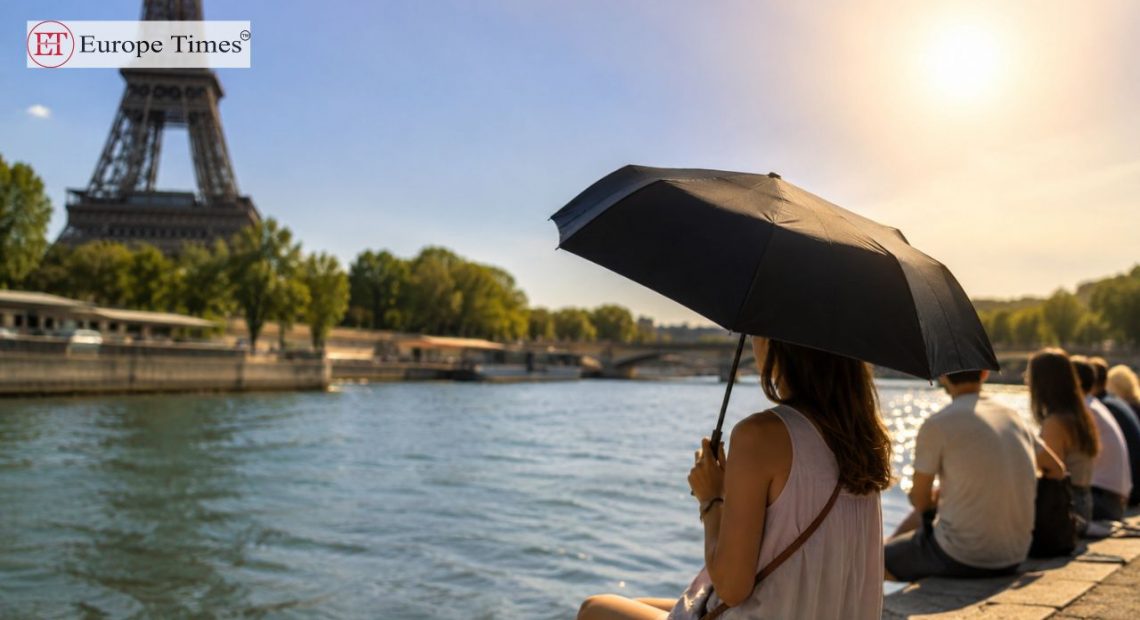
An invasive species of mosquito has established itself in 13 EU countries, including France, Spain, and Greece, leading to a rise in dengue fever cases in Europe. The European Centre for Disease Prevention and Control (ECDC) attributes this spread to climate change, which has created favorable conditions for the Asian tiger mosquito (Aedes albopictus). This species, considered the most invasive mosquito globally, is now spreading northwards, even reaching Paris, where authorities are actively monitoring and trapping the insects ahead of the Olympic Games in July.

The ECDC warns that international travel will likely increase the risk of further outbreaks in Europe. To mitigate this, it advises people to remove stagnant water from gardens and balconies, use insect repellent, and install screens on windows and doors. The tiger mosquito, which transmits diseases like dengue fever, chikungunya, and Zika virus, has become prevalent in countries such as Austria, Bulgaria, Croatia, France, Germany, Greece, Hungary, Italy, Malta, Portugal, Romania, Slovenia, and Spain, and has been reported in Belgium, Cyprus, Czechia, the Netherlands, and Slovakia.

Another mosquito species, Aedes aegypti, which spreads yellow fever, has been found in Cyprus and poses a significant threat to other parts of Europe due to its preference for biting humans and its disease transmission capabilities. Dengue fever, which can escalate from flu-like symptoms to severe, sometimes fatal conditions, has seen increasing outbreaks in Europe. Last year, multiple infections were recorded in France, Italy, and Spain, with a total of 130 locally-acquired cases, up from 71 the previous year.

The West Nile virus, also transmitted by mosquitoes, is now more widespread in Europe, with a case reported in southern Spain as early as March, indicating that climate conditions are becoming suitable for mosquitoes much earlier in the year. ECDC Director Andrea Ammon emphasizes the need for personal protective measures, early case detection, timely surveillance, further research, and awareness-raising activities in high-risk areas. With dengue fever endemic in over 100 countries and malaria posing the deadliest mosquito-borne threat, concerns are growing about potential increases in malaria incidents in Europe if conditions remain favorable.

Picture Courtesy: Google/images are subject to copyright

News Trending

Across Europe, there’s a significant pushback against green policies, termed a “greenlash.” This contrasts starkly with the sentiment during the last European elections five years ago, when especially young voters were fervently demanding action against climate change.

The current resistance is fueled by soaring energy prices, partly due to Russia’s war in Ukraine, and a broader cost of living crisis, prompting many Europeans to reconsider the move away from fossil fuels. Additionally, farmers across Europe have staged roadblocks in protest against environmental reforms.

This shift could pose a serious challenge for the EU’s Green parties in the upcoming elections from June 6-9. The Greens/European Free Alliance (G/EFA), currently the fourth-largest group in the European Parliament, might see a 30% reduction in their seats according to most polls. Terry Reintke, the Greens’ lead candidate, warns that if right-wing groups gain more influence, they could obstruct substantial parts of the parliament’s agenda.

Such an outcome could significantly affect the implementation of the EU’s Green Deal, part of the Climate Law aimed at achieving carbon neutrality by 2050. Some measures have already been enacted, like the package to cut net greenhouse gas emissions by 55% of 1990 levels by 2030, which includes a contentious ban on petrol and diesel cars by 2035. However, many policies essential for meeting 2040 targets still need to be agreed upon, and existing directives could be modified under sufficient political pressure.

Right-wing parties across Europe have quickly responded to public discontent, balancing costly decarbonization processes and green investments against the cost of living crisis. In Italy, Matteo Salvini of the far-right League criticizes the 2035 ban on petrol and diesel cars, viewing it as a “gift” to the Chinese electric car industry. Hungary’s Viktor Orban supports farmers protesting in Brussels and accuses European leaders of ignoring ordinary people.

In Germany, backlash over plans to ban new oil and gas heating systems almost toppled the coalition government, leading to a watered-down policy. The far-right AfD, decrying an “eco-dictatorship,” is challenging for second place in the polls. Similarly, in the Netherlands, government plans to reduce nitrogen oxide emissions sparked farmer protests and boosted the Farmer-Citizens Movement (BBB), now set to join a coalition with Geert Wilders’ Freedom Party, which aims to roll back green policies.

Sweden, once a leader in climate action, has seen its government, supported by the far-right Sweden Democrats, criticized for policies that could increase emissions. In Spain, the far-right Vox party denies human-caused climate change and seeks to undo recent green policies.

Hannah Neumann, a German MEP from the Greens, refutes the radical right’s narrative that economic competitiveness and climate protection are mutually exclusive, emphasizing that the global shift towards net zero includes major economies like the US and China. She warns that the EU risks falling behind if it slows its green transition.

However, center-right parties also challenge the speed and cost of this transition. The European People’s Party (EPP), the largest group in the European Parliament, has long opposed the 2035 ban on petrol and diesel cars. Farmers’ protests have also led to reversals of Green Deal policies, such as scrapping a proposal to halve pesticide use.

Jessica Polfjärd, an MEP from Sweden’s Moderate Party, acknowledges the urgency of climate issues but stresses the need for realistic and balanced policies. She argues that overly ambitious green policies have not provided industries with adequate tools for the transition and that their impacts need thorough assessment.

Despite the backlash, climate change remains a significant concern for European voters. A recent Eurobarometer survey found that 78% of respondents feel environmental issues directly impact their lives, and 84% believe EU environmental legislation is necessary. Yet, only 58% want to speed up the transition to renewable energy, with cost of living concerns dominating the current campaign landscape, potentially leading to significant losses for the European Greens compared to five years ago.

Picture Courtesy: Google/images are subject to copyright

News Trending

Eighteen people sustained injuries in the Czech Republic when a tree they were sheltering under was struck by lightning, according to local emergency services. The incident occurred on Sunday afternoon in the Liberec-Vratislavice castle park, situated in the northern Liberec region, approximately 55 miles (90 km) northeast of Prague.

Images and videos shared by the fire service show numerous emergency personnel and vehicles at the scene. While officials have not released detailed information about the injured individuals, local media reported that children were among those hospitalized. The park was hosting an event for International Children’s Day at the time.

Czech TV station CT 24 reported that five of the injured were children aged between two and 16, and that five adults required resuscitation at the scene. Vaclav Ricar, a spokesperson for the Liberec regional hospital, told local newspaper Liberecky Denik that the hospital had received 17 conscious patients, confirming that one child was airlifted to a hospital in Prague.

The Czech Republic experienced heavy rain and storms over the weekend, with reports of flooding affecting various parts of the country. Climate change, which has caused the world to warm by approximately 1.1C since the industrial era, contributes to more frequent extreme rainfall events. Temperatures will continue to rise unless significant emissions reductions are made globally.

Experts advise those caught outside in a thunderstorm to seek a low spot away from trees, fences, and poles. If you feel your skin tingle or your hair stand on end, it indicates that lightning is imminent. The recommended action is to crouch down, balancing on the balls of your feet with your hands on your knees and your head between them, to make yourself the smallest target possible and minimize ground contact.

Picture Courtesy: Google/images are subject to copyright

News Trending

New regulations have been implemented in Venice, banning the use of loudspeakers and restricting tour group sizes to a maximum of 25 people. Officials state that these measures aim to mitigate the effects of over-tourism on the Italian city. Venice’s historic canals make it one of Europe’s most popular destinations. Earlier this year, Venice introduced a €5 (£4) daily entry fee, following a 2021 ban on cruise ships docking in the historic area.

Over-tourism is a critical issue for Venice, a city with a population of approximately 250,000 that welcomed over 13 million visitors in 2019. Although visitor numbers have declined since then, they are projected to surpass pre-pandemic levels soon. Many local residents have left the historic island city due to concerns about being overwhelmed by tourists.

According to Ocio, a citizen association monitoring housing in Venice, the historic quarter now has about 49,000 tourist beds—exceeding the number available for residents. These new tourism rules follow warnings from Unesco experts last year, suggesting Venice could be added to the list of world heritage sites in danger due to climate change and mass tourism. The UN cultural body ultimately decided not to add Venice to the list, acknowledging efforts to address these issues through an anti-flooding system and measures to curb the impact of mass tourism.

Picture Courtesy: Google/images are subject to copyright

News Trending

Storms and heavy rainfall have caused significant flooding in northern Italy, with cities like Padua and Vicenza heavily affected. Emergency services have been using dinghies to rescue residents, and footage shows cars floating in the streets. The governor of the Veneto region described the severe weather as a “water bomb.” In contrast, southern Italy, including Sicily, is experiencing an unusual heat wave with temperatures reaching up to 35°C.

Professor Marco Marani from the University of Padua, an expert on climate change, told Corriere del Veneto that extreme weather events are becoming more frequent due to global warming. In Padua, the banks of the Muson dei Sassi river collapsed, causing severe flooding. In Borgo Mantovano, Lombardy, a freight train was overturned by gusts up to 200 km/h. Milan saw 130 mm of rain in one day, leading to flash floods, the most intense May rainfall in over 170 years.

The Veneto region declared a state of red alert, particularly between Vicenza and Verona, where 70 mm of rain fell in 30 minutes, causing water basins to overflow. One person is missing in Como after a bridge collapse.

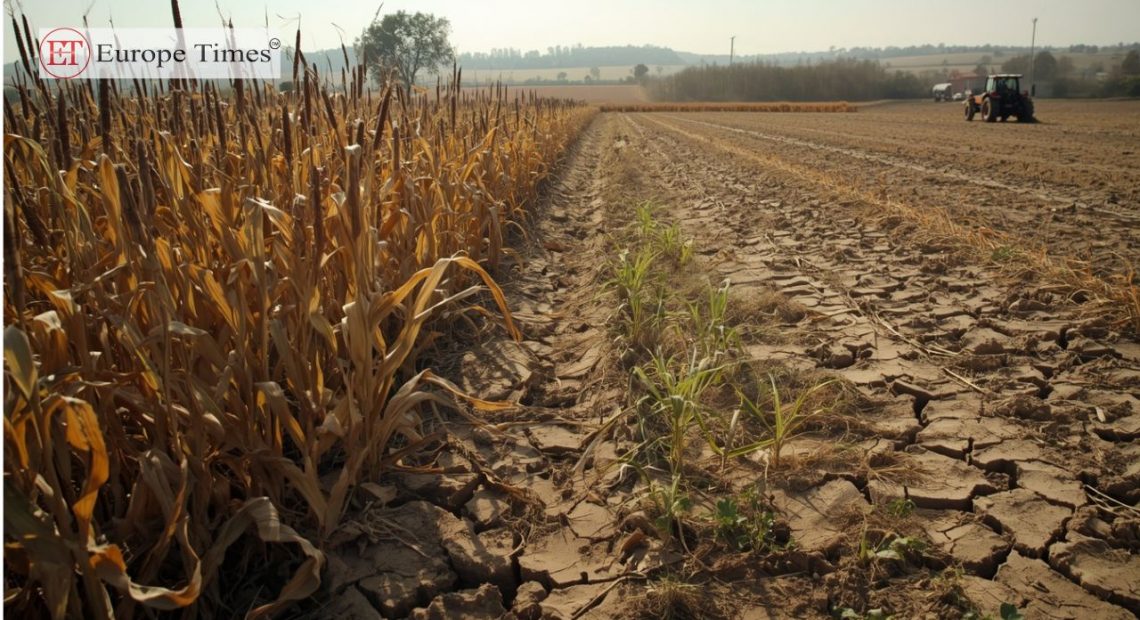
In the south, Sardinia is experiencing dry conditions, adversely affecting wheat harvests, and water restrictions are expected later in the summer. Prof. Marani emphasized the scientific evidence linking increased frequency of extreme weather events to climate change, underscoring the need to revise water defense calculations and manage climate change effectively.

A recent State of the Climate report by the EU climate agency Copernicus and the World Meteorological Organization highlighted the urgency of climate action and improved flood defenses, noting that in 2023, one-third of European rivers breached high flood thresholds, with 16% surpassing severe levels.

Picture Courtesy: Google/images are subject to copyright