
featured News

Two previously unknown organ compositions by Johann Sebastian Bach have been performed publicly in Germany for the first time in 320 years, marking a major milestone in classical music history. Germany’s Culture Minister Wolfram Weimer described the discovery as a “great moment for the world of music.” Musicologist Peter Wollny first encountered the manuscripts in 1992 while cataloguing Bach materials at the Royal Library of Belgium and spent three decades authenticating them.

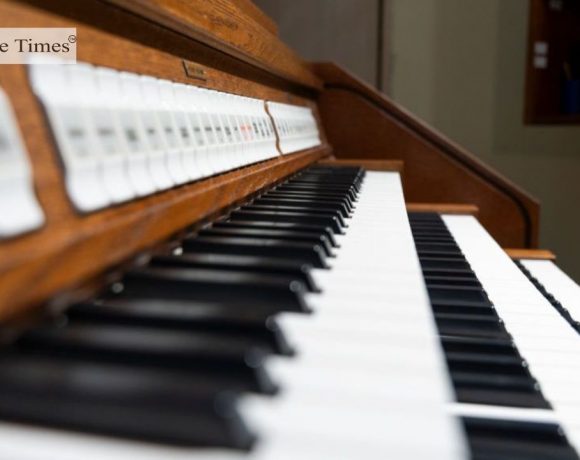
The two works, Chaconne in D minor (BWV 1178) and Chaconne in G minor (BWV 1179), were unveiled at Leipzig’s St Thomas Church—Bach’s workplace for 27 years and his final resting place. They were performed by Dutch organist Ton Koopman, who said he was honoured to debut the long-lost compositions, praising their high quality and suitability even for smaller organs.

Researchers believe Bach composed the pieces early in his career while working in Arnstadt, with one of his pupils, Salomon Günther John, likely having written them down in 1705. Wollny, now director of the Bach Archive, said he is “99.99% sure” of their authenticity, noting stylistic features that are unmistakably Bach. The works have since been added to the official catalogue of his compositions.

Pic Courtesy: google/ images are subject to copyright

News Trending

Vienna is commemorating the 200th anniversary of the premiere of Ludwig van Beethoven’s Ninth Symphony with a series of performances, notably by the Vienna Philharmonic Orchestra conducted by Riccardo Muti. The symphony, renowned as a pinnacle of Western classical music, features the stirring Ode to Joy and was first performed in Vienna in 1824. The Vienna Singverein Choir, composed of non-professional singers like schoolteacher Heidrun Irene Mittermair, collaborates with the orchestra for these performances.

Otto Biba, a musicologist, describes Beethoven’s Ninth as revolutionary, especially for introducing singing in the fourth movement. Elke Manner-Prochart, a mezzo-soprano in the choir, discusses the challenges of performing the symphony, particularly the emotional intensity required.

Despite Beethoven’s deteriorating hearing, he conducted the symphony’s premiere at the Kärntnertortheater in Vienna. Daniel Froschauer, first violinist of the Vienna Philharmonic, emphasizes the significance of the piece in the orchestra’s history, noting its themes of peace, unity, and brotherhood.

Heidrun Irene Mittermair reflects on the symphony’s journey from darkness to light, suggesting that Beethoven may have used it to overcome his personal struggles. Overall, the Ninth Symphony is celebrated for its profound emotional impact and enduring significance.

Picture Courtesy: Google/images are subject to copyright