
featured News Trending

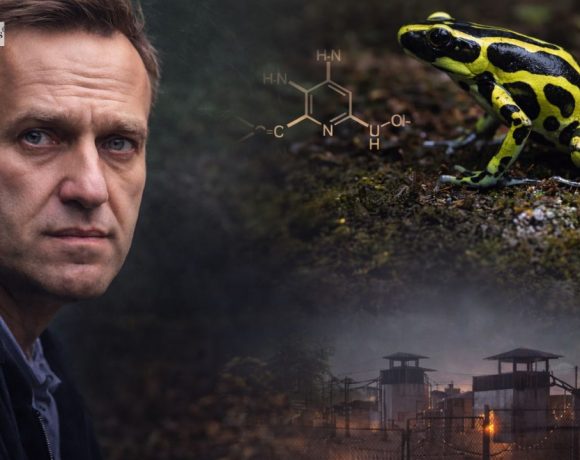
The UK and several European allies have accused Russia of killing opposition leader Alexei Navalny using epibatidine, a rare toxin derived from South American dart frogs. Speaking at the Munich Security Conference, UK Foreign Secretary Yvette Cooper said analysis of material samples found on Navalny’s body showed the presence of the toxin, arguing that only the Russian state had the means, motive and opportunity to deploy it during his imprisonment in a Siberian penal colony. A joint statement by the UK, France, Germany, Sweden and the Netherlands held Moscow responsible.

Epibatidine is an extremely potent neurotoxin, estimated to be far stronger than morphine, and can cause paralysis, seizures, respiratory failure and death. It is naturally found in certain wild dart frogs in South America and is not known to occur in Russia. The UK has informed the Organisation for the Prohibition of Chemical Weapons of what it describes as a breach of the Chemical Weapons Convention. Russia, through state media and officials, has dismissed the claims as part of an “information campaign”.

Navalny, a prominent anti-corruption campaigner and critic of President Vladimir Putin, died on 16 February 2024 at the age of 47 while serving a prison sentence. He had previously survived a Novichok poisoning in 2020 before returning to Russia, where he was arrested. His widow, Yulia Navalnaya, welcomed the latest findings, saying they confirmed her long-held belief that her husband had been poisoned and murdered.

Pic courtesy: google/ images are subject to copyright
News Trending

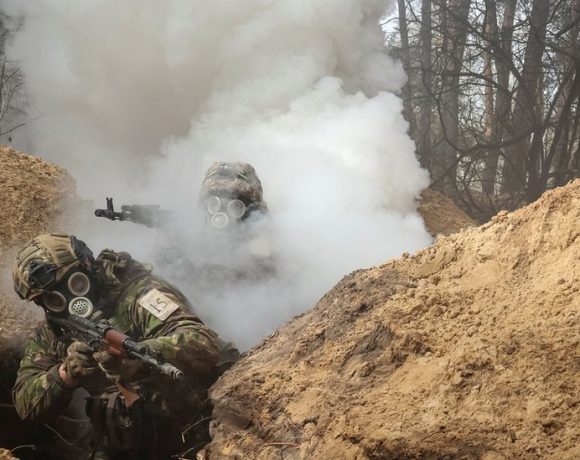
The United States has accused Russia of violating international laws by allegedly deploying chemical weapons as a method of warfare in Ukraine. Specifically, they claim that Russia used the chemical agent chloropicrin to gain battlefield advantages over Ukrainian forces. These accusations, according to US officials, are not isolated incidents and would breach the Chemical Weapons Convention, to which Russia is a signatory.

However, the Kremlin has rejected these accusations as baseless, asserting that Russia adheres to its obligations under the Chemical Weapons Convention. The Organisation for the Prohibition of Chemical Weapons defines a chemical weapon as a substance used to cause intentional harm through its toxic properties, and chloropicrin falls under this category. The use of chloropicrin in warfare is explicitly prohibited under the Chemical Weapons Convention.

Additionally, there are claims that Russia has also used riot control agents, such as tear gas, during the conflict in Ukraine. President Joe Biden has previously warned Russia against the use of chemical weapons, stating that there would be severe consequences if such actions were taken.

Despite warnings, there have been reports of chemical attacks, with Ukrainian troops reportedly facing increasing instances of exposure to toxic gases. The US has sanctioned individuals and entities linked to Russia’s biological and chemical weapons program in response to these allegations.

There have also been concerns about Russia’s compliance with the Chemical Weapons Convention, with accusations of incomplete declarations of its stockpile. Previous incidents, such as the Salisbury attack and the poisoning of Alexei Navalny, have raised doubts about Russia’s adherence to international agreements.

Amidst these allegations, Russian forces continue their advance in eastern Ukraine, with ongoing fighting around strategic locations. Ukrainian President Volodymyr Zelensky has taken action against allegations of corruption within the Ukrainian Security Service, while Human Rights Watch has called for a war crimes investigation into alleged executions of surrendering Ukrainian troops by Russian forces.

Picture Courtesy: Google/images are subject to copyright