
featured News Trending

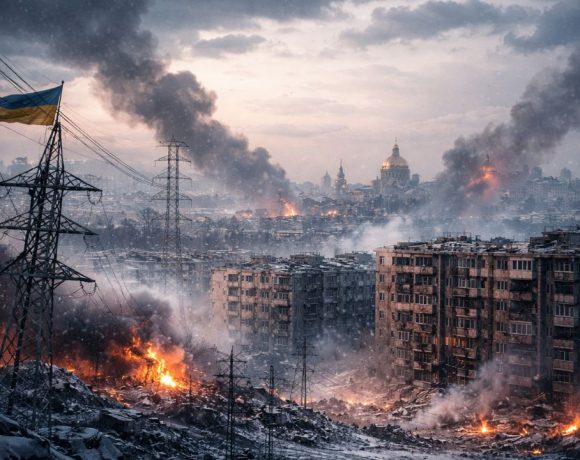
Russia and Ukraine said they have halted strikes on each other’s energy infrastructure, following a U.S.-backed de-escalation push, but sharply differed on how long the moratorium should last. The Kremlin said President Vladimir Putin agreed to stop attacks on Ukrainian energy targets until February 1, while President Volodymyr Zelenskiy said the pause took effect from Friday midnight and should last a full week. Both sides confirmed there were no energy strikes over the past 24 hours, though no formal ceasefire has been agreed.

Ukraine accused Russia of shifting tactics, saying Moscow had instead intensified attacks on logistics, including rail facilities, even as temperatures in Kyiv are forecast to plunge to minus 26 degrees Celsius. Hundreds of residential buildings in the capital remain without heating after weeks of earlier strikes. Zelenskiy also said Ukraine refrained from hitting Russian energy facilities in response, but warned that air defences have been weakened due to delays in receiving U.S.-supplied Patriot missiles.

Diplomatic efforts remain uncertain, with Zelenskiy saying it was unclear whether a planned meeting between Russian, Ukrainian and U.S. negotiators would go ahead as scheduled. Major sticking points include Russia’s demand that Ukraine cede territory in eastern regions and control over the Zaporizhzhia nuclear plant. Despite limited progress in talks, fighting continues across the front lines, and many Ukrainians remain sceptical that the temporary energy truce will lead to a broader or lasting ceasefire.

Pic courtesy: google/ images are subject to copyright
featured News Trending

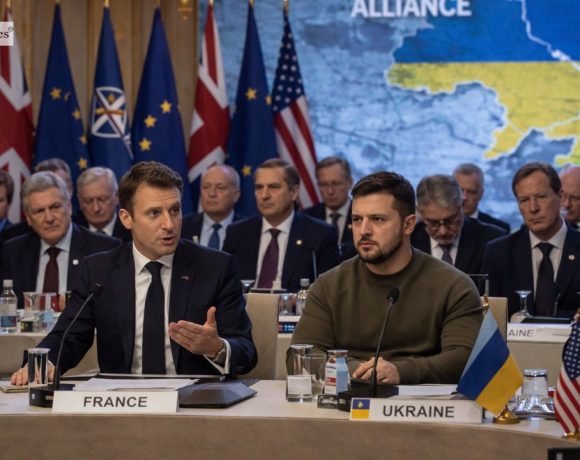
French President Emmanuel Macron is hosting Ukrainian President Volodymyr Zelensky and leaders from more than 30 allied nations in Paris as efforts intensify to secure long-term security guarantees for Kyiv in the event of a ceasefire with Russia. The meeting includes members of the so-called “Coalition of the Willing,” as well as US mediators Steve Witkoff and Jared Kushner, amid claims from Zelensky that a US-backed peace plan is largely agreed.

While around 90% of the proposed framework is said to be settled, the remaining disagreements centre on territorial concessions Ukraine is being asked to consider. Russia currently controls most of the Donetsk and Luhansk regions in eastern Ukraine and has shown little willingness to compromise, while continuing intensified attacks on Ukraine’s energy infrastructure during winter. Ukraine, meanwhile, has stepped up drone strikes inside Russia, including on energy facilities.

Talks in Paris are focused on defining post-war security arrangements, including the possibility of a multinational reassurance force, long-term military and economic support for Ukraine, and guarantees in case of renewed Russian aggression. European allies are also seeking a clear US commitment to act if Russia breaches a future peace deal, though broader geopolitical tensions involving recent US actions abroad and disputes over Greenland risk overshadowing the discussions.

Pic courtesy: google/ images are subject to copyright

featured News

Ceasefire negotiations between Ukraine and the United States continued for a second day in Berlin, with Washington saying “a lot of progress was made.” Ukrainian President Volodymyr Zelensky and chief negotiator Rustem Umerov held extended talks with US envoy Steve Witkoff and Jared Kushner, joined by German Chancellor Friedrich Merz. Nato’s Supreme Allied Commander Europe, General Alexus Grynkewich, also attended, while more European leaders are expected to join later discussions.

Zelensky indicated he was ready to give up Ukraine’s ambition to join Nato in exchange for strong security guarantees similar to Nato’s Article 5 mutual defence clause, calling it a significant compromise. The talks centre on a 20-point Ukrainian peace proposal aimed at countering an earlier US plan seen as favouring Russia. While details remain undisclosed, Kyiv says the plan would form the basis for reconstruction and long-term security assurances.

Discussions also touched on sensitive territorial issues, including the Donbas region, where Zelensky said Ukraine could consider freezing the conflict along current front lines but would not withdraw troops unless Russia did the same. Any agreement reached by Ukraine, the US and Europe would still need to be presented to Moscow, which continues to oppose Nato membership for Kyiv. The talks come as Ukraine faces renewed Russian attacks on energy infrastructure and as EU states debate using frozen Russian assets to support Ukraine’s economy.

Pic courtesy: google/ images are subject to copyright