
featured News Trending

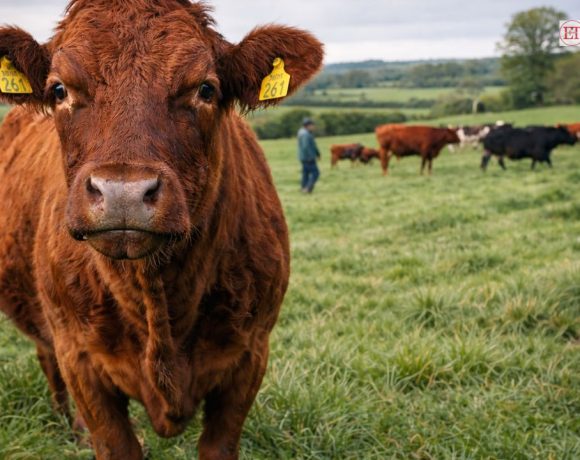
The bluetongue virus has been confirmed in a cattle herd in County Wexford, marking the latest detection of the disease in Ireland. The case follows earlier confirmations in Northern Ireland in December and reflects the wider spread of the virus across Europe and Great Britain. Ireland’s Minister for Agriculture, Martin Heydon, said the development was concerning but not unexpected given regional trends.

Bluetongue is spread by midges and poses no risk to public health or food safety, but it can seriously affect cloven-hoofed animals such as cattle and sheep. While rising temperatures have contributed to the spread of the virus, the minister noted that the recent seasonal drop in temperatures is likely to limit further transmission for now. Authorities are continuing investigations and carrying out additional sampling to better understand the situation.

Farmers have been urged to consult veterinarians about vaccinating their animals, as a precautionary measure. The President of the Irish Creamery Milk Suppliers Association described the case as deeply worrying for the affected family and the wider farming community. Bluetongue virus can cause symptoms including sores around the mouth, fever, breathing difficulties, lameness, and reproductive issues, though the severity can vary across regions and animals.

Pic courtesy: google/ images are subject to copyright
News Trending

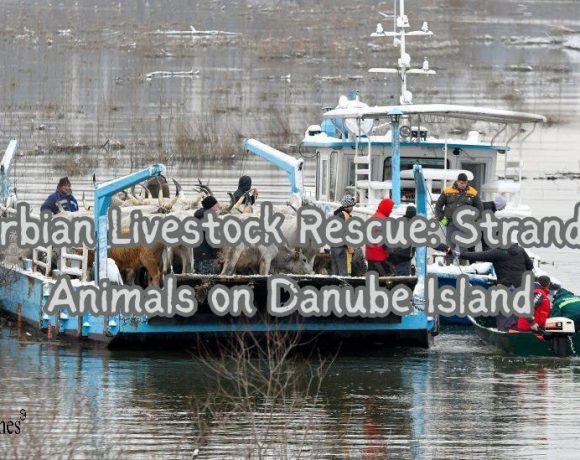
An operation is in progress to rescue around 200 cattle, calves, and horses stranded on Krcedin island in the River Danube, near Belgrade, Serbia. Rising water levels last week prevented the livestock from returning to shore. The evacuation, which began on Tuesday, has saved approximately 60 animals so far. Harsh weather conditions, including freezing temperatures and concerns about starvation, have intensified the urgency of the rescue mission.

Krcedin island, located on the left bank of the Danube, experienced a sudden rise in water levels due to melting snow caused by unseasonably mild weather in late 2023 in the Balkan region. The island is situated 3km from the shore and approximately 50km upstream from Belgrade.

Farmers had been appealing for days to have their livestock rescued as conditions deteriorated. On Tuesday, a rescue team comprising the Serbian military, the emergencies department, the forestry agency, and local citizens used a raft to transfer about 60 animals to safety. However, further attempts faced setbacks, including the replacement of the first raft due to missing railings and the breakdown of its replacement after only two runs.

Environmental group Eko Straza reported that the stranded cattle were exhausted, having lost up to 50kg of their weight. A new boat was hired to continue the rescue on Wednesday. Transporting dozens of wild horses, which are not accustomed to human contact, posed additional challenges.

With freezing conditions and the threat of hunger, speed has become crucial in the evacuation. Cattle breeder Milenko Plavsic expressed concern that some of his animals had already died, and the remaining ones were at risk. He explained that, in a normal year, the animals would return home by wading through shallow waters for 10km, but the high water levels have prevented grazing.

Picture Courtesy: Google/images are subject to copyright