
featured News Trending

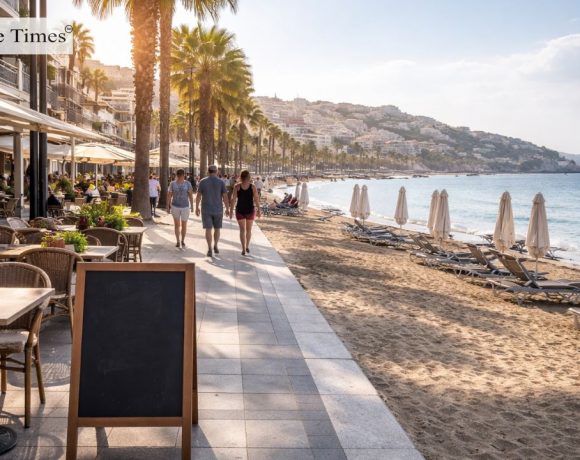
The ongoing Iran conflict has begun to impact tourism in Cyprus and Greece, with rising cancellations and a slowdown in new bookings ahead of the crucial summer season. The situation escalated after military strikes in late February and subsequent counterattacks, including a drone strike near a British base in Cyprus, triggering concerns among travellers and leading to a sharp drop in visitor interest.

In Cyprus, cancellations for short-term rentals surged dramatically, at one point reaching nearly 100% in the days following the escalation, before easing to around 45% by late March. The country’s hospitality sector has reported significant declines in bookings for March and April, prompting the central bank to cut its 2026 economic growth forecast. Airlines and travel operators have also noted reduced demand, with tourists shifting preferences to destinations like Spain.

Greece has also seen a slowdown, particularly in pre-bookings, although the impact has been less severe. Major carriers report declining demand from key markets such as Israel and Gulf countries, while tourism officials remain cautiously optimistic. Industry stakeholders warn that if the uncertainty continues into peak summer months, it could pose a serious risk to economies heavily reliant on seasonal tourism.

Pic courtesy: google/ images are subject to copyright
featured News Trending

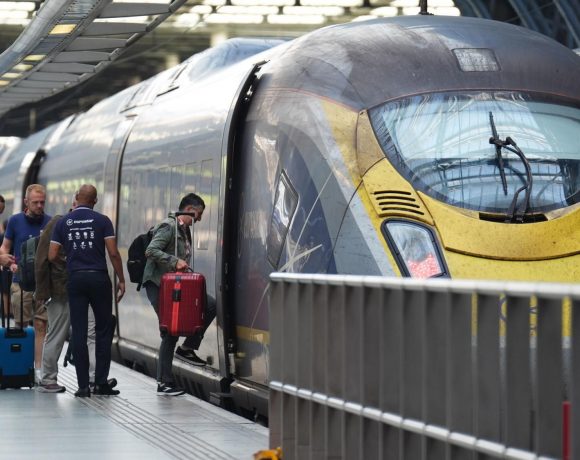
On Saturday, three out of ten French high-speed trains will be cancelled due to a series of coordinated arson attacks that have disrupted rail services. French Prime Minister Gabriel Attal announced that security forces are actively searching for the “saboteurs” responsible for the chaos, which comes just ahead of the Olympic Games. The national rail company, SNCF, reported that the trains that do operate on Saturday will face delays of up to two hours on major routes in and out of Paris, with approximately a quarter of Eurostar services also being cancelled. France’s transport minister indicated that services should return to normal by Monday morning.

No one has claimed responsibility for the attacks, according to SNCF. The company mentioned that its staff worked overnight in challenging conditions to repair the damage caused by the vandalism, which targeted cabling boxes at junctions on the North, Brittany, and South-West lines just hours before the Olympic opening ceremony was set to begin in Paris. Saboteurs reportedly cut and set fire to specialized fiber optic cables critical for the rail network’s safe operation, with sources in the investigation suggesting the attacks were “well-prepared” and organized by a single group.

Rail workers successfully prevented an attempt to damage safety equipment on a fourth line. SNCF warned that traffic will remain disrupted on Sunday for the North axis, while conditions should improve on the Atlantic axis for weekend returns. The company estimates that around 250,000 passengers were affected on Friday, with junior transport minister Patrice Vergriete suggesting that up to 800,000 could be impacted over the weekend. Eurostar, which operates international services from London to Paris and relies on a high-speed line in France, announced that one in four of its trains would not run during the weekend. Passengers have been advised to postpone their travels, with disruptions anticipated to last until Monday. Among those affected on Friday was Prime Minister Sir Keir Starmer, who had intended to take the train to the Games’ opening ceremony but had to fly instead.

Picture Courtesy: Google/images are subject to copyright