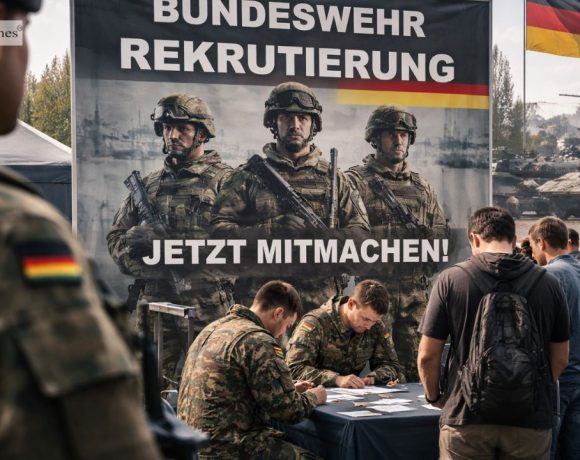
Germany’s armed forces face a critical recruitment shortfall that could force Berlin to reinstate compulsory military service if voluntary efforts fail, the country’s Parliamentary Commissioner for the Armed Forces has warned. In his annual report, Commissioner Henning Otte said personnel shortages remain the Bundeswehr’s most pressing bottleneck as Germany seeks to strengthen its military capabilities amid heightened security concerns over Russia and pressure from the United States.
Chancellor Friedrich Merz’s government has pledged to rebuild the Bundeswehr into Europe’s strongest conventional army after years of underinvestment. Berlin aims to expand active troop numbers to 260,000 from nearly 185,000 and double reservist strength to 200,000 by the mid-2030s. As part of this effort, authorities have introduced a voluntary model requiring all 18-year-olds to complete a questionnaire indicating their interest in military service.
However, the report cautions that modest gains in troop numbers — about 3,000 additional active soldiers by the end of 2025 — may not be enough to meet ambitious targets. Demographic decline, competition for skilled workers and high dropout rates are limiting growth. The commissioner warned that political goals risk outpacing military realities, adding that a return to compulsory service may become necessary if voluntary recruitment does not deliver sufficient personnel.
Pic courtesy: google/ images are subject to copyright