
News Trending War

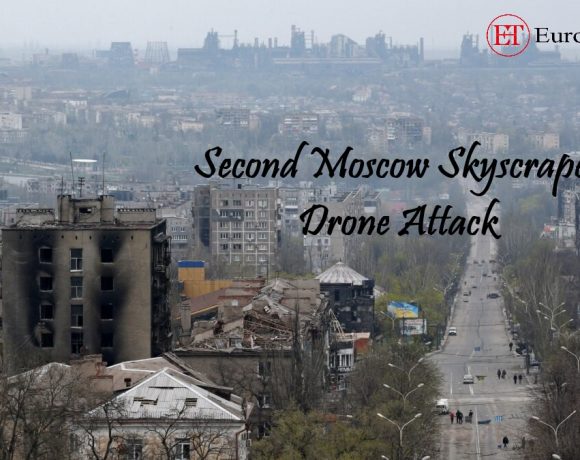
Moscow’s Mayor Sergei Sobyanin has reported a second drone attack on a skyscraper in the city’s Moskva City complex within two days. Multiple drones were shot down during the overnight incident, but one managed to hit the same tower that was targeted on Sunday. The attack caused damage to the building’s glass facade, but fortunately, no injuries have been reported.

Russia’s defense ministry has attributed the latest attack to Ukraine, although Kyiv has not made any official comments on the matter. The tensions have escalated further, as Russia also claimed that three Ukrainian unmanned boats were destroyed while attempting to attack Russian naval ships in the Black Sea.

The IQ-Quarter Tower 1 building suffered over 150 sq m of destroyed glazing during the drone attack. Additionally, two more Ukrainian drones were reportedly shot down by anti-aircraft systems in other parts of the Moscow region, with Russia’s defense ministry claiming to have thwarted a “terrorist attack” from Ukraine.

This incident adds to the growing accusations by Moscow, alleging that Ukraine has been conducting drone strikes on Russian territory in recent months. Ukrainian President Volodymyr Zelensky has not claimed responsibility for specific attacks but has expressed that such actions on Russian territory are seen as an “inevitable, natural, and absolutely fair process.”

The conflict between Russia and Ukraine has been ongoing since Russia’s full-scale invasion of Ukraine in February 2022. In the wake of these recent incidents, there have been casualties and damages on both sides, further escalating the tensions in the region.

Picture Courtesy: Google/images are subject to copyright
News Trending War

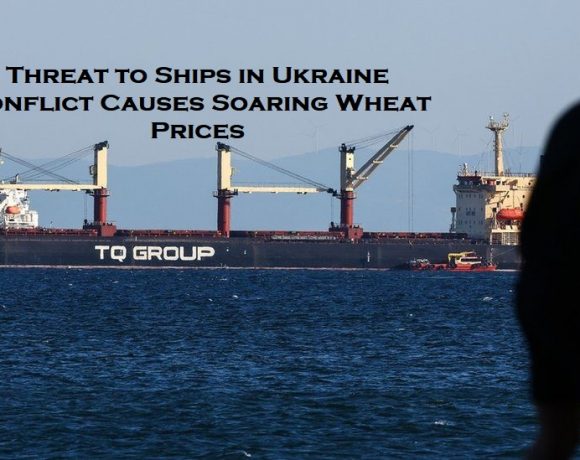
Wheat prices on the global markets have experienced a sharp rise following Russia’s declaration that it would consider ships heading to Ukrainian ports as potential military targets. This decision came after Moscow withdrew from a UN agreement that guaranteed safe passage for grain shipments through the Black Sea. In recent nights, Russia has launched attacks on Ukraine’s grain facilities in cities like Odesa. The White House has accused Russia of planning to attack civilian ships and then falsely blaming Ukraine for it. As a result of these developments, European stock exchange wheat prices surged by 8.2% to €253.75 per tonne, with corn prices also rising by 5.4%. US wheat futures recorded their highest daily increase since Russia’s invasion of Ukraine in February 2022, jumping 8.5%. President Vladimir Putin has expressed willingness to return to the international grain agreement if certain demands, including the lifting of sanctions on Russian grain and fertiliser sales, are met.

Amid these escalating tensions, Russian air strikes continued in Black Sea coastal cities for three consecutive nights, leading to civilian casualties. The attacks have targeted grain export infrastructure and raised concerns about the safety of shipping routes for essential food supplies. Ukraine’s options for exporting grain by rail are limited, with rail capacity smaller than shipping volumes, and some EU countries in Eastern Europe blocking Ukrainian grain to protect their own farmers.

Analysts have warned that Russia’s threatened escalation could disrupt waterborne grain shipments from the Black Sea, impacting both Russian and Ukrainian exports. Some Ukrainian officials have called on the UK, US, France, and Turkey to provide military convoys and air defenses to protect grain ships heading to Odesa.

The situation has raised concerns about potential impacts on global food security and inflation, particularly in developing countries, leading to social instability, food shortages, and increased migration. Critics accuse Russia of using food supplies as a political tool in its conflict with Ukraine.

Picture Courtesy: Google/images are subject to copyright
News Trending

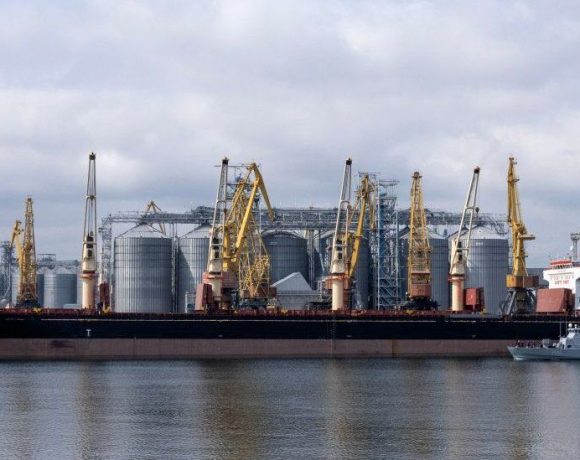
Russia has informed the United Nations, Turkey, and Ukraine that it will not extend a crucial grain deal that allowed Ukraine to export grain through the Black Sea. Kremlin spokesperson Dmitry Peskov stated that the agreements had effectively ended on Monday. The deal permitted cargo ships to pass through the Black Sea from the Ukrainian ports of Odesa, Chornomorsk, and Yuzhny/Pivdennyi. However, Russia stated that it would reconsider the agreement if certain conditions were met.

Russian President Vladimir Putin had previously expressed dissatisfaction with parts of the deal, claiming that the export of Russian food and fertilizers had not been fulfilled. He specifically mentioned that grain had not been supplied to poorer nations, which was a condition of the agreement. Russia also complained about Western sanctions limiting its agricultural exports and repeatedly threatened to withdraw from the deal.

On Monday, the Russian foreign ministry reiterated these concerns, accusing the West of “open sabotage” and prioritizing commercial interests over humanitarian goals. Turkish President Recep Tayyip Erdogan expressed his belief that Putin still wanted to continue the agreement and stated that they would discuss its renewal during their upcoming meeting.

The grain deal is significant because Ukraine is one of the world’s largest exporters of sunflower, maize, wheat, and barley. Following Russia’s invasion in February 2022, Ukrainian ports were blockaded, trapping 20 million tonnes of grain and causing a sharp increase in global food prices. The blockade also posed a threat to food supplies in Middle Eastern and African countries heavily reliant on Ukrainian grain.

Nikolay Gorbachev, the president of the Ukrainian Grain Association, mentioned that alternative methods of exporting grain had been identified, including through Danube River ports. However, he acknowledged that these ports would be less efficient, leading to reduced grain exports and increased transportation costs.

Western leaders swiftly criticized Russia’s decision, with EU Commission President Ursula von der Leyen condemning it as a “cynical move” and emphasizing the EU’s efforts to ensure food security for vulnerable populations.

Russia’s announcement coincided with Ukraine claiming responsibility for an attack on a bridge in Crimea that resulted in the deaths of two civilians. Peskov stated that Russia’s decision to let the deal expire was unrelated to the attack, as President Putin had already declared the position before the incident.

Picture Courtesy: Google/images are subject to copyright
News Trending War

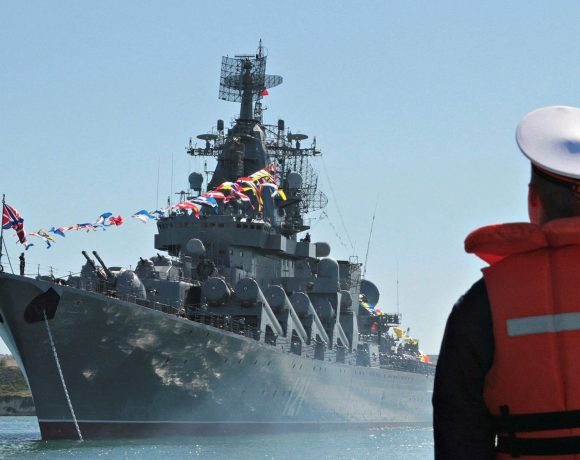
According to Russia’s defence ministry, a Russian warship that was damaged by an explosion on Wednesday has sunk. According to a ministry message, the flagship of Russia’s Black Sea Fleet, Moskva, was being towed to port when it sank due to “stormy seas.”

The 510-crew missile cruiser, which led Russia’s naval assault on Ukraine, was a symbol of the country’s military might. Kyiv claims that its missiles struck the warship. According to the United States, it was also hit by Ukrainian missiles. Moscow has denied any attack and claims the ship sank due to a fire.

According to Russia, the blaze caused the warship’s ammunition to explode, and the entire crew was later evacuated to nearby Russian vessels in the Black Sea. After initially stating that the warship was afloat, the Russian defence ministry announced late Thursday that the Moskva had been lost.

The 12,490-tonne warship is the largest Russian warship sunk in combat since WWII. “The vessel lost its balance while being towed… towards the destination port due to hull damage caused by a fire that broke out after ammunition exploded. The ship sank due to the rough seas” according to the Russian Defense Ministry. According to Ukraine, the warship’s captain was killed on board.

This is a significant and humiliating defeat for Vladimir Putin, who has insisted on numerous occasions that his “special military operation” in Ukraine is proceeding as planned.

Perhaps unsurprisingly, Russian state media are not focusing on the loss of the Black Sea fleet’s pride.

The authorities claim the ship sank in stormy seas after fire and explosions on board caused significant hull damage. Morning TV bulletins limited themselves to briefly reporting the statement issued by the authorities, who claim the ship sank in stormy seas after fire and explosions on board caused significant hull damage.

Picture Courtesy: Google/Images are subject to copyright