
featured News Trending

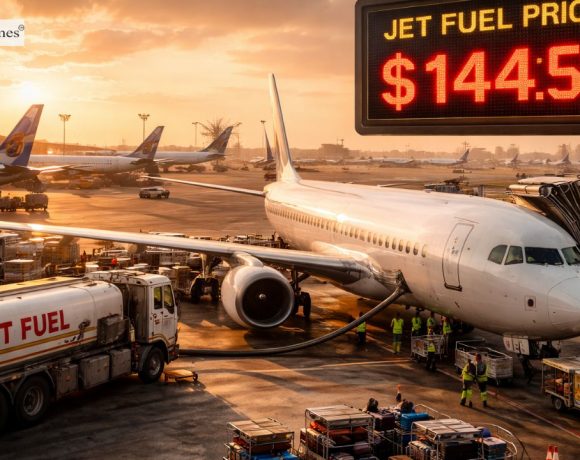
Airlines worldwide are struggling to cope with soaring jet fuel prices that have risen far faster than crude oil costs amid escalating Middle East tensions. Despite using hedging contracts to protect against oil price volatility, many carriers remain exposed because most hedges are tied to crude oil rather than refined jet fuel. The sharp increase in refining margins since the conflict involving Iran has forced airlines to raise ticket prices, introduce fuel surcharges, and cut flight capacity to manage rising operating costs.

Jet fuel prices have nearly doubled since the conflict began, compared with a roughly one-third increase in crude oil prices, squeezing airline profit margins globally. Industry executives said hedging provides only partial protection, while carriers without hedging arrangements — particularly in the United States and China — face full exposure to rising fuel costs. Analysts warned that low-cost airlines are especially vulnerable because their price-sensitive customers limit how much fares can be increased.

In Europe and Asia, airlines are already adjusting strategies as sustained fuel price increases threaten profitability. Some carriers remain heavily hedged, but coverage declines in future periods, leaving them exposed if high prices persist. Analysts estimate that Asian airline profits could fall significantly with prolonged refining margin increases, highlighting how volatile fuel markets and limited jet fuel hedging options continue to challenge the aviation industry.

Pic courtesy: google/ images are subject to copyright
featured News Trending

Global aircraft leasing companies say they remain resilient despite rising geopolitical tensions and market volatility, citing supply shortages and decades of crisis experience as stabilising factors. Speaking at an industry gathering in Dublin, leasing executives said the sector’s ability to move aircraft across borders and preserve tariff-free trade has helped shield it from recent global shocks.

A large backlog of jet orders at Boeing and Airbus has handed lessors significant control over new aircraft deliveries well into the next decade, supporting lease rates, resale values and profits. Executives said manufacturing issues and limited supply have placed “guardrails” around the industry cycle, keeping demand firm even as global markets remain unsettled.

While risks have increased following past crises including COVID-19 and Russia’s seizure of leased aircraft, industry leaders said long investment horizons help absorb shocks. At the same time, consolidation is accelerating, with a widening gap between lessors with large order books and smaller rivals. Executives said barriers to entry are rising, and attention is now focused on the potential sale of Macquarie AirFinance, which could reshape the competitive landscape.

Pic courtesy: google/ images are subject to copyright