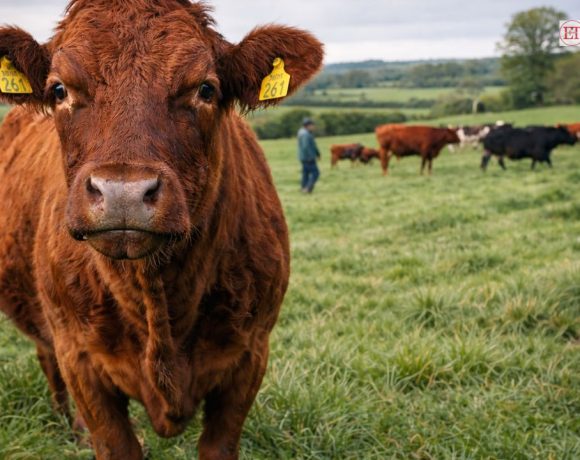
The bluetongue virus has been confirmed in a cattle herd in County Wexford, marking the latest detection of the disease in Ireland. The case follows earlier confirmations in Northern Ireland in December and reflects the wider spread of the virus across Europe and Great Britain. Ireland’s Minister for Agriculture, Martin Heydon, said the development was concerning but not unexpected given regional trends.
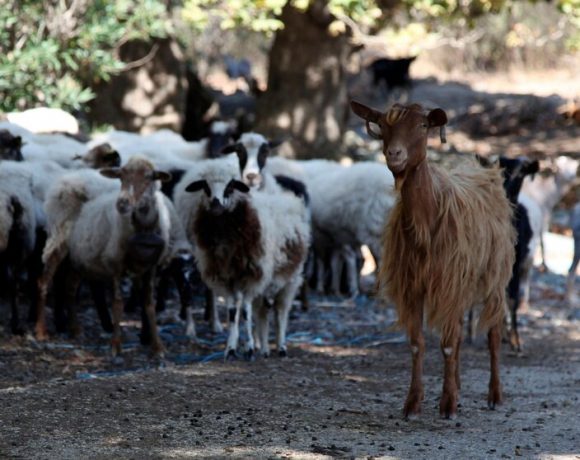
Bluetongue is spread by midges and poses no risk to public health or food safety, but it can seriously affect cloven-hoofed animals such as cattle and sheep. While rising temperatures have contributed to the spread of the virus, the minister noted that the recent seasonal drop in temperatures is likely to limit further transmission for now. Authorities are continuing investigations and carrying out additional sampling to better understand the situation.
Farmers have been urged to consult veterinarians about vaccinating their animals, as a precautionary measure. The President of the Irish Creamery Milk Suppliers Association described the case as deeply worrying for the affected family and the wider farming community. Bluetongue virus can cause symptoms including sores around the mouth, fever, breathing difficulties, lameness, and reproductive issues, though the severity can vary across regions and animals.
Pic courtesy: google/ images are subject to copyright