
featured News Trending

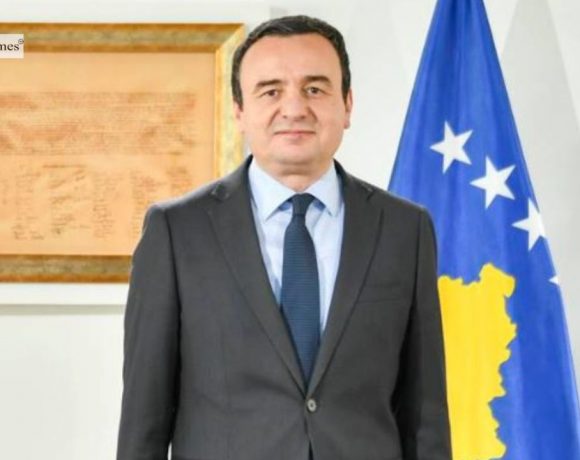
Kosovo Prime Minister Albin Kurti has vowed to quickly form a new government after his Vetevendosje Party secured nearly half of the votes in Sunday’s snap parliamentary election. The victory could end a year-long political deadlock that stalled parliament and delayed crucial international funding. Kurti emphasized the need for swift action to certify results, constitute parliament, and move forward without delay.

Kurti’s party received 49.3% of votes with 99% counted, while the main opposition parties, the Democratic Party and the Democratic League, garnered 21% and 13.6% respectively. Analysts note that Kurti may need support from smaller Albanian or minority parties to form a stable government, as conditional votes and those from the diaspora have yet to be tallied. Supporters celebrated in Pristina, waving party flags and lighting fireworks despite sub-zero temperatures.

The prolonged political impasse threatens key EU and World Bank loans totaling €1 billion, as well as the election of a new president in April. Kurti’s government faces criticism over his handling of relations with Western allies and Kosovo’s ethnically divided north. To appeal to voters, he has promised increased public sector salaries, capital investment of €1 billion annually, and a new anti-organised crime prosecution unit, aiming to address poverty and instability in the Balkan country.

Pic courtesy: google/ images are subject to copyright
featured News

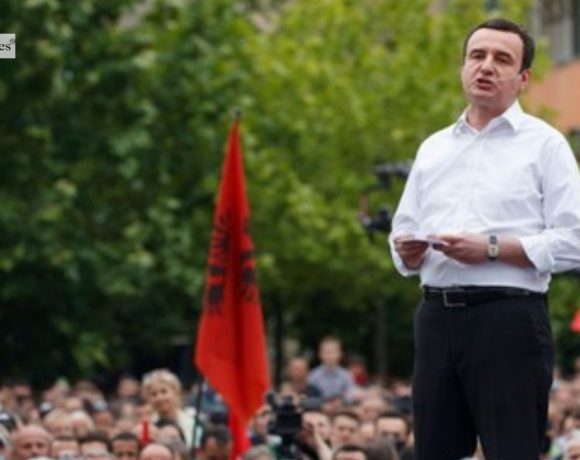
Kosovo will head to the polls on December 28 in a snap parliamentary election after a year-long political stalemate dissolved parliament and deepened the country’s financial strain. Prime Minister Albin Kurti’s Vetevendosje party emerged as the largest force in the previous election but failed to secure a majority or form a coalition, leaving Europe’s newest state without a functioning government. Analysts warn that another inconclusive result could prolong paralysis just months before parliament must elect a new president.

Voters appear frustrated by lawmakers’ inability to break the impasse, while opposition parties remain reluctant to govern with Kurti, accusing him of worsening relations with the ethnic Serb minority, damaging Kosovo’s international standing, and failing to improve living standards. Kurti, however, remains optimistic about winning an outright majority, campaigning on promises of higher salaries, major capital investment, and tougher action against organised crime.

The prolonged deadlock has delayed vital international funding, putting Kosovo’s fragile finances under pressure. Nearly 880 million euros in European Union budget support and 127 million euros from the World Bank remain stalled, with some funds at risk of cancellation if not approved soon by a new parliament. With poverty already widespread and healthcare and education under strain, many fear that another political impasse could jeopardise much-needed aid and deepen public hardship.

Pic courtesy: google/ images are subject to copyright