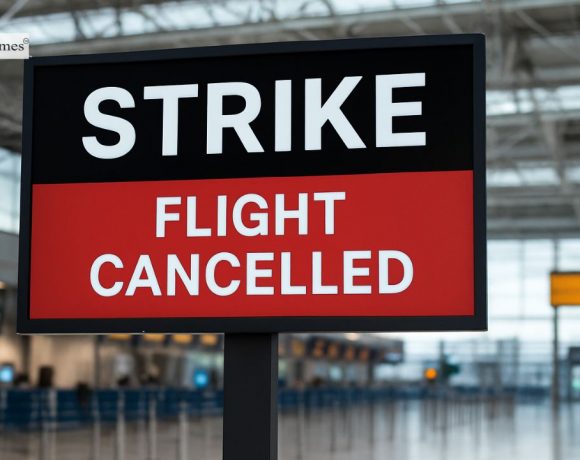
Belgium is preparing for severe disruption this week as unions launch a three-day national strike in protest against Prime Minister Bart De Wever’s austerity plans aimed at reducing the country’s high debt. The action spans multiple sectors, with teachers, healthcare workers, and waste collectors joining rolling walkouts, and public transport facing major interruptions beginning Monday. The strikes are set to culminate in a nationwide general stoppage on Wednesday.
Transport services are already heavily affected, with national rail operator SNCB running only part of its schedule and several Eurostar routes between Brussels and Paris cancelled. The country’s main airports—Bruxelles-Zaventem and Charleroi—have warned passengers of significant disruption, announcing that all departures on Wednesday will be cancelled and arrivals may also be affected due to staff participation in the strike.
Unions argue that proposed reforms to labour rules, pensions, and unemployment benefits threaten welfare security, demanding fair pensions and new taxation measures including a wealth and digital tax. Belgium’s government, which has recently reached a budget agreement, says the reforms are essential to safeguard the welfare system amid a deficit of 4.5% of GDP and debt above 104%.
Pic Courtesy: google/ images are subject to copyright