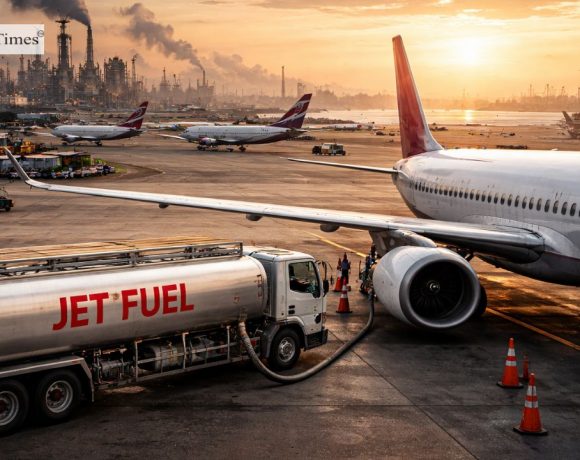
Global airline and travel industries are unlikely to see immediate relief despite the U.S.-Iran ceasefire, as jet fuel supply disruptions and refinery damage continue to strain operations. Aviation leaders warn that even if the Strait of Hormuz reopens, it could take months for jet fuel supplies to stabilize due to ongoing disruptions in Middle East refining capacity.
Airlines are already facing rising operational costs, with fuel prices more than doubling since the conflict began. Carriers are cutting flights, increasing fares, and adjusting routes to manage higher expenses, while major airlines expect billions in additional fuel costs in the coming months. Fuel remains the second-largest expense for airlines, making recovery slower despite falling crude oil prices.
Although airline stocks surged on hopes of improved supply and safer travel routes, the broader travel and tourism sector will take longer to recover. Cruise ships remain stranded in key Middle East ports, and experts say tourism sentiment could take several months to return as safety perceptions gradually improve.
Pic courtesy: google/ images are subject to copyright