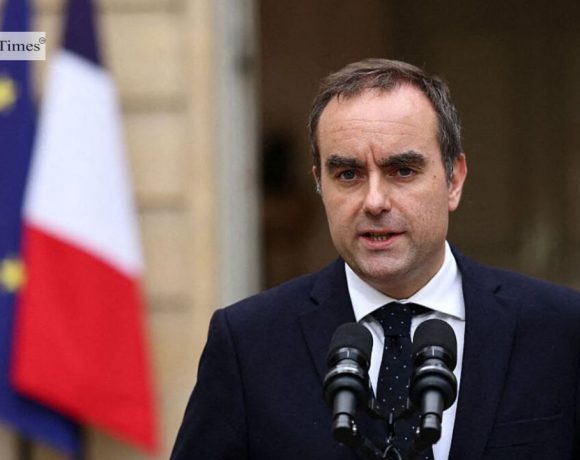
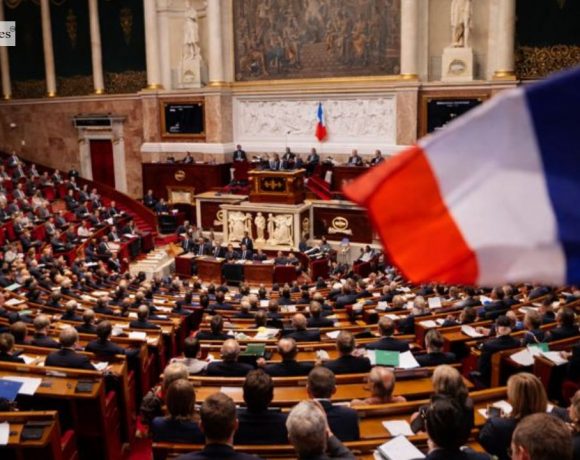
France’s 2026 budget has finally been approved after two no-confidence motions failed in the National Assembly, bringing an end to months of political uncertainty. Prime Minister Sebastien Lecornu, leading a weak minority government, secured the passage of the budget with targeted concessions to Socialist lawmakers, including delaying an unpopular pension reform. Lecornu emphasized that the budget reins in public spending without raising taxes for households or businesses.
The delayed budget, which had unsettled markets and alarmed European partners, now provides a period of stability ahead of the 2027 presidential election. Despite a still-high deficit of 5% of GDP, investor confidence has improved, and the French debt risk premium has returned to pre-election levels. Lecornu’s flexibility and compromise have preserved Macron’s legacy of attracting foreign investment.
With domestic reforms largely stalled, President Emmanuel Macron is now focusing on foreign policy, including reducing Europe’s dependency on foreign powers and addressing trade disputes with the U.S. Meanwhile, the centrist bloc faces uncertainty with no clear successor, while former prime ministers Edouard Philippe and Gabriel Attal, along with Lecornu, position themselves for the upcoming presidential race.
Pic courtesy: google/ images are subject to copyright