
Obesity Drug Market Outlook Narrows as Prices Fall and Competition Rises
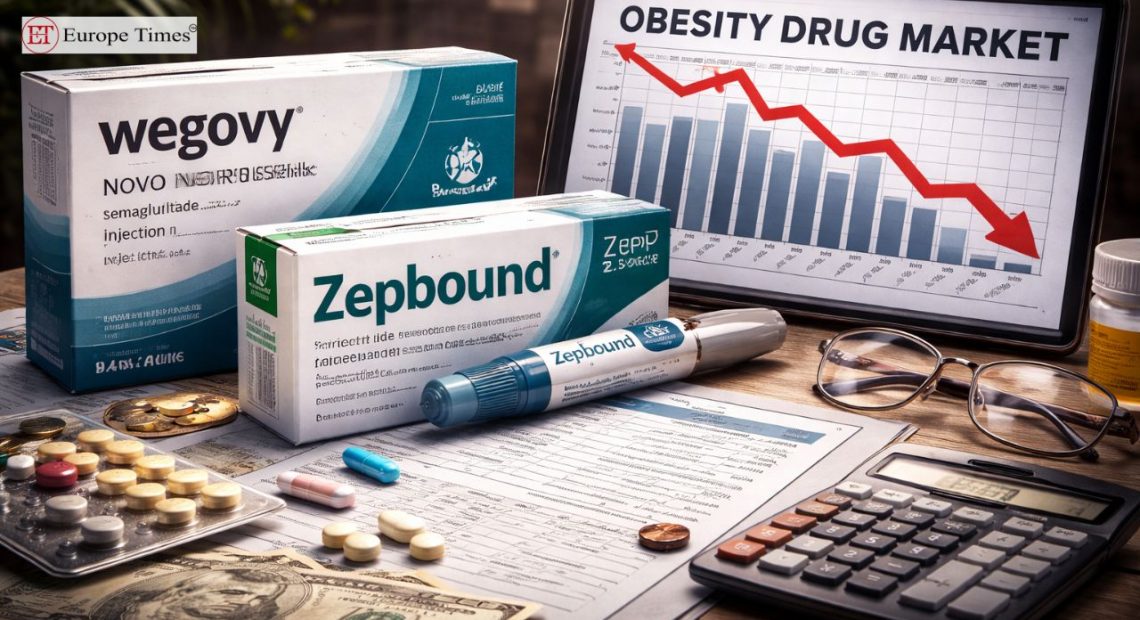
The long-standing expectation that the global obesity drug market would reach $150 billion within the next decade is becoming less certain as prices for leading GLP-1 treatments from Novo Nordisk and Eli Lilly decline in the United States. Analysts say intensifying competition, the rise of cash-pay consumers, and the prospect of new drugs and generics have forced a reassessment of how big — and how fast — the market can grow. Forecasts for 2030 are now roughly 30% lower, closer to $100 billion, with the $150 billion milestone pushed further out to the mid-2030s.
Once priced at around $1,000 a month, flagship weight-loss drugs such as Wegovy and Zepbound are now available directly from manufacturers for $149 to $299, reflecting political pressure and pricing agreements. While lower prices could boost volumes, analysts warn that revenue growth will depend heavily on sustained demand. Several banks, including Jefferies and Goldman Sachs, have trimmed their peak market estimates, citing faster-than-expected price erosion and changing patient usage patterns.
Despite the caution, some analysts and industry leaders remain optimistic, arguing that higher volumes, longer treatment durations, and the launch of oral weight-loss pills could still drive substantial growth. Novo and Lilly remain dominant players, and the approval of more convenient pills may expand the patient base rather than merely shift market share. With earnings updates and new clinical data expected in 2026, analysts say the coming year will be critical in determining whether the obesity drug market is truly shrinking — or simply entering a new phase of growth.
Pic courtesy: google/ images are subject to copyright