
Inquiry Reveals Louvre Heist Succeeded Due to 30-Second Security Lapse
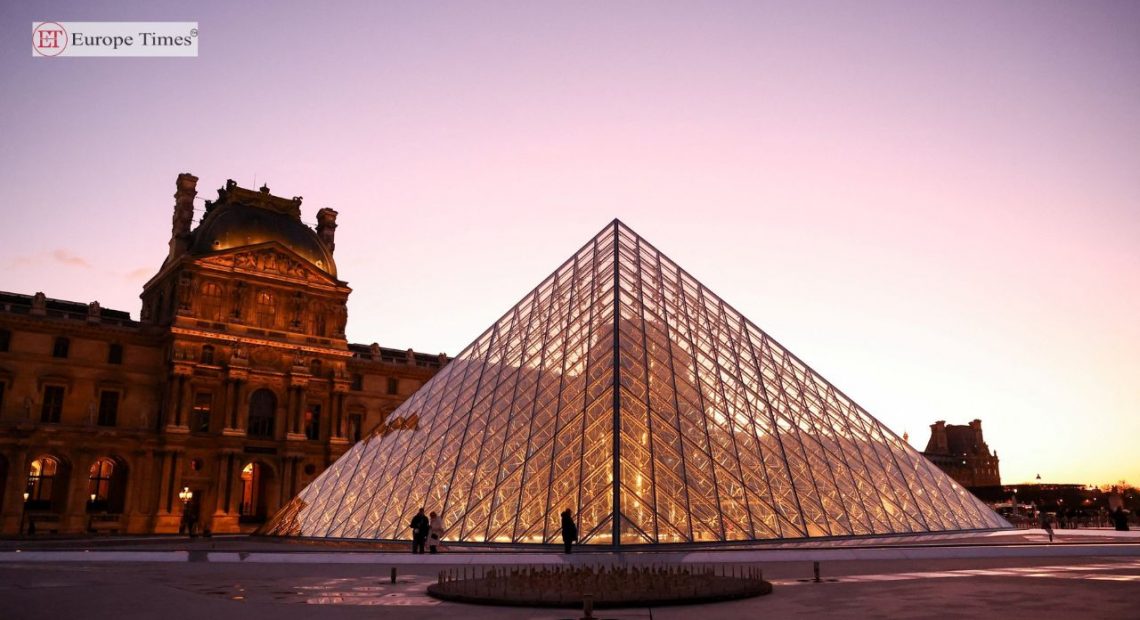
A French culture ministry inquiry has found that the burglars who stole France’s crown jewels from the Louvre in October gained a crucial 30-second advantage due to security lapses at the museum. The four thieves, who escaped with jewels worth $102 million, exploited delays in surveillance footage and weaknesses in the museum’s infrastructure, including a fragile window in the Apollo gallery. The heist has raised questions about how such vulnerabilities existed at the world’s most visited museum.
Investigators concluded that delayed access to live camera feeds and limited monitoring capabilities slowed both museum security and police response. According to Noel Corbin, chief of general inspection of cultural affairs, even a slightly faster alert or a more resistant window could have prevented the burglars’ escape. The report highlighted that security staff were unable to view certain camera images in real time due to insufficient screens and a lack of exterior surveillance coverage.
The Louvre, employing about 2,200 staff and hosting nearly 9 million visitors annually, operates with the complexity of a small city, making rapid coordination essential. The inquiry underscores the need for upgraded systems and improved communication channels within the museum’s sprawling security network. The stolen crown jewels remain missing, and the incident has renewed urgency around reinforcing protection for France’s cultural treasures.
Pic courtesy: google/ images are subject to copyright