
EU ‘Made in Europe’ Auto Plan Risks Trade Tensions
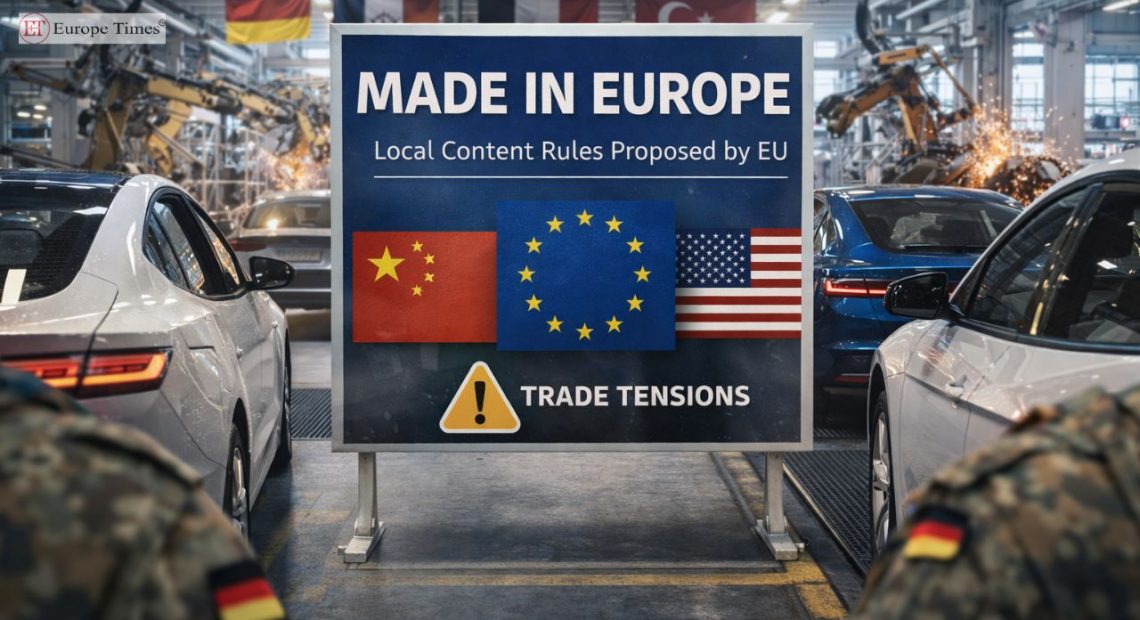
The European Union is preparing to introduce stricter “Made in EU” requirements for automakers as part of a proposed Industrial Accelerator Act aimed at reviving domestic manufacturing. Under draft rules, electric vehicles would need at least 70% of their parts’ value — excluding the battery — produced within the bloc to qualify for subsidies, alongside minimum EU-based battery content. The move is designed to counter mounting pressure from cheaper Chinese electric vehicle imports and prevent further industrial decline.
However, the plan has exposed divisions within the EU. France has pushed for stronger protection of local suppliers, warning of further factory closures and job losses without firm local-content mandates. Germany, whose carmakers depend heavily on exports to China, fears that stricter rules could trigger retaliatory trade measures. Industry groups caution that global auto supply chains are deeply integrated, making compliance complex and raising the risk of disrupting production networks.
Non-EU countries such as Britain and Turkey, key manufacturing hubs for European brands, are lobbying to be included in the framework. Automakers warn that excluding these partners could weaken EU production itself, while including them may create loopholes for Chinese firms to benefit indirectly. With billions of euros in subsidies and thousands of jobs at stake, policymakers are walking a tightrope between strengthening European industry and avoiding backlash from global trading partners.
Pic courtesy: google/ images are subject to copyright