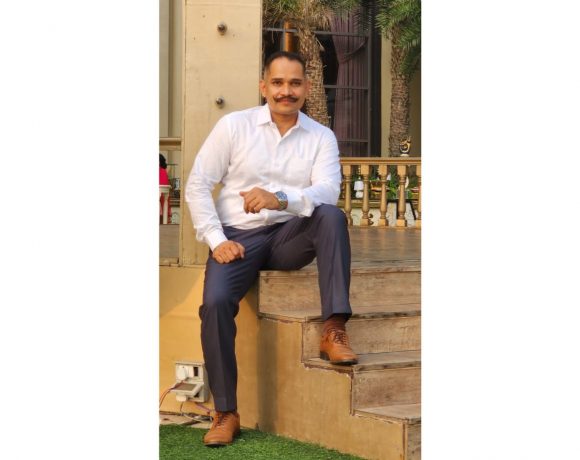
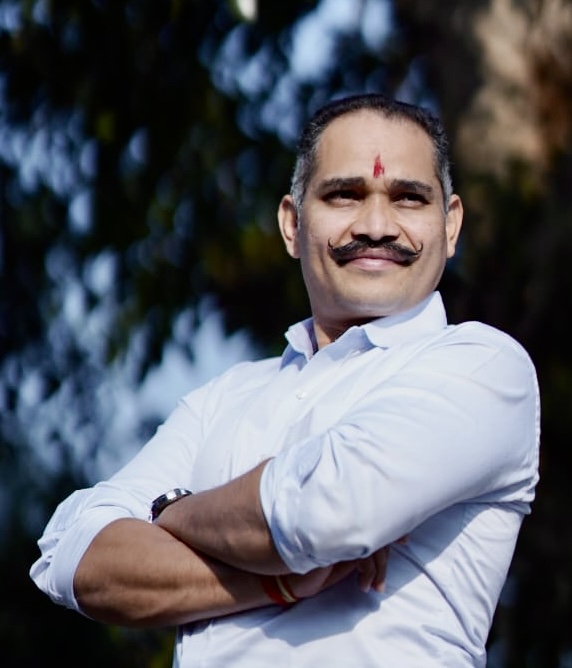
“Gratitude makes sense of our past, brings peace for today, and creates a vision for tomorrow.” This quote by Melody Beattie perfectly encapsulates the essence of one dedicated individual’s journey and mission. His profound gratitude for his roots has shaped his tireless efforts to transform his village and beyond. His appreciation for the past has guided his understanding of the community’s needs, while his actions today bring peace and improvement to the lives of many. This deep sense of gratitude fuels his vision for a better tomorrow, inspiring initiatives that promise sustainable development and a brighter future for the region. Through his work, he exemplifies how acknowledging one’s heritage can pave the way for meaningful and impactful progress. This individual, whose efforts and vision embody the true spirit of gratitude, is none other than Amol Patankar.
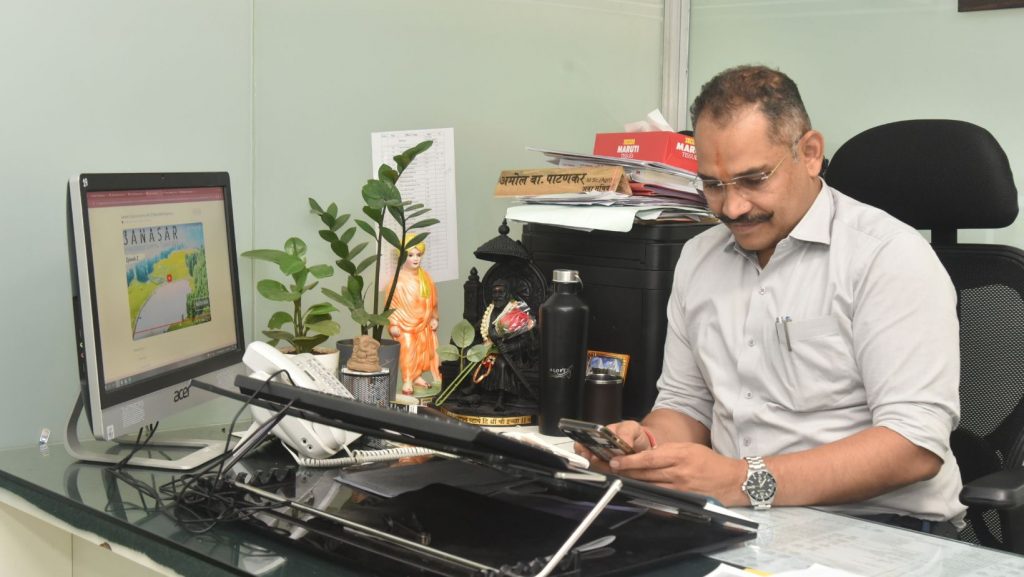
In the bustling corridors of Mantralaya, the heartbeat of Maharashtra’s government machinery, Amol Patankar emerges as a distinctive figure. As an under-secretary in the deputy chief minister’s office, he doesn’t just navigate the administrative maze; he embodies a unique blend of dedication and empathy that sets him apart from the crowd. Patankar’s weekends aren’t about escaping from work; they’re his canvas for connecting with the pulse of Maharashtra. Whether he’s traversing through urban landscapes or remote villages, his mission remains the same: to understand the needs and aspirations of the people he serves.
Behind Patankar’s unwavering commitment lies a deeply personal journey. Maharashtra, with its rich tapestry of cultures and communities, provided him with more than just a home; it instilled in him a sense of responsibility and gratitude. His every action, from spearheading development initiatives to championing social causes, reflects this profound connection and a shared vision for a brighter future. In a realm often overshadowed by bureaucracy, Patankar’s presence shines as a beacon of hope and solidarity, reminding us all that true leadership is not just about wielding power, but about serving with compassion and purpose.
Deeply Connected to His Roots
Patankar’s bond with Kondoli in Washim district of Maharashtra is profound. “I cannot sever the ‘umbilical cord’ that connects me to my village and its people,” he quips. His journey from a humble hamlet to Mantralaya has only strengthened his resolve to improve the lives of those in his hometown. This led to the creation of the Arunavati Multipurpose Trust, an NGO focused on driving development projects in Kondoli and neighbouring areas.
Spearheading Infrastructure and Education Reforms
One of Patankar’s first achievements was improving connectivity in his village. “Earlier, Kondoli was not connected to a main road,” he recalls. He spearheaded the approval of ₹7 crores from the Central Road Fund (CRF) for constructing a road to his native village, ensuring that all nearby villages to Kondoli are now connected by roads for easier commuting. With support from the local administration, a well-constructed road was built, enabling government buses to reach the village. This development has been particularly beneficial for students, especially girls, who now have better access to higher education.
Water Management and Environmental Initiatives
Kondoli was once synonymous with water scarcity with women often trudging several kilometres to fetch water during summer. However, Patankar’s ascent to the echelons of power has proved a boon to the village. His team addressed this nagging issue by widening the Arunavati River and constructing 4 check dams to store excessive rainwater. “We developed 60 river shafts, each around 100 – 200 ft deep,” he explains. These efforts have significantly raised the groundwater table, ensuring a steady water supply year-round much to the solace of the villagers. Additionally, planting trees along the river and roads has revived local flora and fauna, transforming the riverfront into a thriving natural habitat.
Giving a Boost to Healthcare and Security
Recognising the critical need for accessible healthcare, this bureaucrat is at the vanguard of the construction of a 30-bed hospital, with plans to expand it to 50 beds at Manora tehsil. His persistent and dynamic follow-up is set to yield results soon. “People cannot visit doctors even when suffering from serious ailments due to high costs and the distance to big cities,” he notes. This hospital will bridge that gap, providing much-needed medical services to the community. Through the Arunavati Multipurpose Society, he successfully acquired a modern ambulance for the patients of his Manora tehsil. He dedicated this ambulance to his mentor, Deputy Chief Minister Devendra Fadnavis, on his birthday. Security has also been enhanced with the installation of CCTV cameras at two tehsils which is Karanja Lad and Mangrulnath. Funded by the government, these cameras have reduced theft and illicit activities, making residents, especially women, feel safer.
Vision for the Future
Looking ahead, Patankar envisions Kondoli as both a spiritual and commercial tourist destination. Plans are in progress to develop a divine theme park, with construction already underway. He diligently pursued and secured a sanction of ₹5 crores from the state government for this project. Furthermore, commercial boat services will be launched on a Build, Operate, and Transfer basis. Additionally, old religious sites are being renovated with modern facilities, blending heritage with contemporary conveniences.
Acknowledgment and Advocacy
It wouldn’t be wrong to say that Patankar’s actions speak louder than words. A two-time MPSC cracker from a very remote village, Patankar knows the intricacies of rural life intimately. His expanded circle of consciousness includes all the needy people. With the solid support of Deputy Chief Minister Devendra Fadnavis, Patankar has been making waves in Maharashtra for his selfless service.
Recognizing Patankar’s Efforts
Recently, during a political event, a PSI woman candidate emotionally shared her story of struggle, gratefully mentioning Patankar prominently in her appointment order. After this video went viral on a news channel, this son of Washim district is being praised everywhere. Patankar has earned a firm place in people’s hearts as an officer who is always at the forefront to solve problems in all areas of administration.
Nurturing Art and Culture
Thanks to Patankar, Washim district received record funds for the upkeep of temples. The world-famous Gurumandir at Karanja Lad had not received any government funding, but with the blessings of Deputy Chief Minister Devendra Fadnavis, this son of Washim proposed a ₹170 crore plan for the rejuvenation of the Gurumandir temple. The proposal is currently in the pipeline for approval and funding. However, he credits his mentor for any achievement he has made in the bureaucratic realm. He always says, “What I have been able to do is only because of the Deputy Chief Minister of the state, Devendra Fadnavis sir.”
A Selfless Advocate of the People
Patankar’s dedication to the people of Maharashtra is a testament to the impact a dedicated individual can have on his community. He is a selfless man working tirelessly for the welfare of the people. People still remember how he helped the accident victims when a truck overturned injuring many. This act of bravery and compassion earned him the heartfelt title of ‘Son of Washim district’, who is always there to address the needs of the masses. Patankar’s initiatives have not only improved infrastructure and living conditions but also fostered a sense of pride and participation among the residents. His work exemplifies the power of staying connected to one’s roots and using one’s position to bring about meaningful change. His selflessness is a beacon of what can be achieved when commitment meets vision, inspiring transformative change in his community.
Pic Courtesy: Pegasus Photography/ images are subject to copyright