featured News Trending

A powerful “Omega” heatwave continues to grip Western Europe, breaking temperature records and causing widespread disruption across several countries. Britain recorded its hottest June temperature ever at 36.1°C, while Paris reached a record 40.9°C. Italy placed 16 cities on its highest heat alert as forecasters warned that extreme conditions could persist through the weekend.

The severe heat has claimed dozens of lives, with France reporting at least 50 deaths linked to the heatwave, including drowning incidents and heat-related fatalities. Spain also recorded deaths from heatstroke, while soaring temperatures affected power supplies, reduced nuclear plant output, disrupted transport networks, and forced schools, tourist attractions, and public events to close or scale back operations.

Meteorologists say the heatwave is being driven by an “Omega block” weather pattern that traps hot air over regions for extended periods. Experts warn that climate change is increasing the frequency and intensity of such extreme weather events. With Europe warming faster than the global average, authorities across the continent are urging residents to take precautions as temperatures remain dangerously high.

Pic courtesy: google/ images are subject to copyright

featured News Trending

France has confirmed its first case of Ebola after a doctor returned from a humanitarian mission in the Democratic Republic of Congo (DRC). The doctor was immediately admitted to a specialized medical facility and is reported to be in stable condition. French health authorities have emphasized that the risk to the general public remains very low.

The case comes as the DRC battles a major Ebola outbreak that has infected more than 1,000 people and claimed over 260 lives. The outbreak is linked to the Bundibugyo strain of the virus, for which no vaccine currently exists. Health officials are tracing individuals who may have come into contact with the infected doctor, while France has activated a dedicated monitoring system for aid workers returning from the affected region.

The World Health Organization has warned that the outbreak could become one of the largest on record, with infections concentrated in eastern DRC, particularly in Ituri province. Efforts to contain the virus have been complicated by ongoing conflict in the region, where armed groups control large areas. Neighboring Uganda has also reported Ebola cases and fatalities, raising concerns about the spread of the disease across borders.

Pic courtesy: google/ images are subject to copyright

featured News Trending

France’s private sector remained in contraction during June, but the pace of decline eased significantly, according to the latest S&P Global Flash PMI survey. The Composite Output Index rose to 47.6 from 44.9 in May, indicating that business activity is still shrinking but showing signs of stabilization. Economists viewed the improvement as a positive signal after France’s first-quarter GDP was revised to reflect an economic contraction.

The manufacturing sector showed encouraging progress, with the Manufacturing PMI climbing to 50.7, returning to growth territory. Manufacturing output also improved, while the services sector remained weak but contracted at a slower rate than in previous months. The Services PMI rose to 47.4, marking its highest level in three months.

Despite the improvement, demand remained subdued as new orders declined for a seventh consecutive month and export orders continued to fall sharply. Employment levels stabilized after a significant drop in May, while business confidence improved for the first time since January. Cooling cost pressures and softer pricing trends suggested easing inflation, although uncertainties surrounding shipping routes through the Strait of Hormuz continue to pose risks to the outlook.

Pic courtesy: google/ images are subject to copyright

featured News Trending

Europe’s refugee and asylum-seeker population remained largely unchanged in 2025, marking the end of more than a decade of steady growth, according to a new migration report. The total number of refugees and asylum seekers across the European Union and Britain stood at 9.59 million, nearly identical to the 9.58 million recorded in 2024.

The report highlighted a continued decline in asylum applications, which dropped to 770,000 in 2025 from 1.01 million in 2024 and 1.1 million in 2023. Researchers said the slowdown signals the end of the rapid increases seen in recent years, particularly following Russia’s invasion of Ukraine.

While Germany and Italy recorded declines in refugee and asylum-seeker populations, France, Spain and Britain saw increases. The report also noted a sharp fall in asylum applications from Syrians after the collapse of the Assad regime, while applications from Venezuelans rose significantly. Ukrainians continue to make up nearly half of all refugees and asylum seekers in the EU and Britain.

Pic courtesy: google/ images are subject to copyright

featured News Trending

France’s domestic intelligence agency, DGSI, has selected French technology company ChapsVision to replace data analysis tools currently provided by U.S.-based Palantir. Prime Minister Sebastien Lecornu said the move reflects France’s commitment to reducing dependence on foreign technology and strengthening national digital sovereignty.

Although ChapsVision has been chosen as the long-term replacement, Palantir’s existing contract with the agency remains active and its tools will continue to be used during a transition period. French officials said the gradual rollout is necessary to prevent any operational disruptions while the new system is integrated.

The decision comes amid growing concerns across Europe about reliance on American technology providers, particularly in sensitive areas such as security and artificial intelligence. France also announced plans to invest €655 million in AI initiatives, including government-wide chatbot services, a public health assistant, and new platforms to improve access to public data.

Pic courtesy: google/ images are subject to copyright

featured News Trending

French wine and spirits exporters expressed deep concern on Monday following U.S. President Donald Trump’s latest threat to impose 100% tariffs on all French wines and champagnes. The Federation of Wine and Spirits Exporters (FEVS) stated that the escalating friction is incredibly damaging for a highly export-dependent sector that finds itself trapped in a political dispute entirely beyond its control. The trade group has urgently called for “responsible behavior” and the restoration of constructive transatlantic trade ties to protect businesses in both economies.

The punitive measures are being brandished as a direct retaliatory strike against Paris’s domestic fiscal policies. President Trump warned that the United States would have no choice but to implement the sweeping duties unless France completely scraps its 3% digital services tax, which targets major American technology conglomerates. This ultimatum is part of an ongoing effort to pressure European governments out of imposing specialized levies on digital revenues generated within their borders.

This development marks yet another volatile chapter in a series of recurring economic disputes between Washington and Brussels. President Trump has previously threatened even higher penalties, including a 200% tariff on European Union alcohol imports during separate trade disputes in both early 2026 and early 2025. With the U.S. remaining a critical market for premium French agricultural goods, local producers fear that a prolonged standoff will severely damage their global competitive edge.

Pic courtesy: google/ images are subject to copyright

featured News Trending

France is preparing to host the G7 Summit in Evian-les-Bains from June 15–17, with the conflicts in Iran and Ukraine expected to dominate discussions. French President Emmanuel Macron has crafted a carefully balanced agenda aimed at maintaining unity among G7 leaders and avoiding tensions with U.S. President Donald Trump. Leaders from Gulf nations, including Saudi Arabia, the UAE, Qatar, and Egypt, have also been invited due to their involvement in regional security and mediation efforts.

A key focus will be the fragile U.S.-Iran ceasefire and ongoing diplomatic efforts to prevent further escalation in the Middle East. Diplomats believe the atmosphere of the summit could depend heavily on whether Washington secures progress with Tehran before the meeting. At the same time, Ukrainian President Volodymyr Zelenskiy is expected to push for stronger Western support as negotiations with Russia remain stalled and Ukraine intensifies drone attacks on Russian military and energy targets.

Beyond security concerns, G7 leaders will discuss economic challenges such as critical mineral supply chains, global trade imbalances, and reducing dependence on China. France has also encouraged broader discussions involving countries such as India, Brazil, Kenya, and South Korea. Rather than issuing a broad final communiqué, the summit is expected to produce targeted agreements on issues including critical minerals, migration, and international security cooperation.

Pic courtesy: google/ images are subject to copyright

featured News Trending

Germany has decided to withdraw from the joint Future Combat Air System (FCAS) fighter jet programme with France, bringing an end to one of Europe’s most ambitious defence collaborations. Launched in 2017 by former German Chancellor Angela Merkel and French President Emmanuel Macron, the project aimed to strengthen European defence capabilities and reduce reliance on external partners.

The programme faced years of disagreements between key industry partners, including Dassault Aviation and Airbus, over leadership, responsibilities, and aircraft design. France preferred a lighter carrier-capable fighter, while Germany sought a larger aircraft focused on air superiority, making it difficult to align their military requirements.

The decision comes amid growing European defence spending and changing security priorities following the war in Ukraine. German Chancellor Friedrich Merz had already questioned the long-term relevance of a costly manned fighter jet programme. While some FCAS components may continue, the cancellation highlights ongoing challenges in achieving deeper European defence integration.

Pic courtesy: google/ images are subject to copyright

featured News Trending

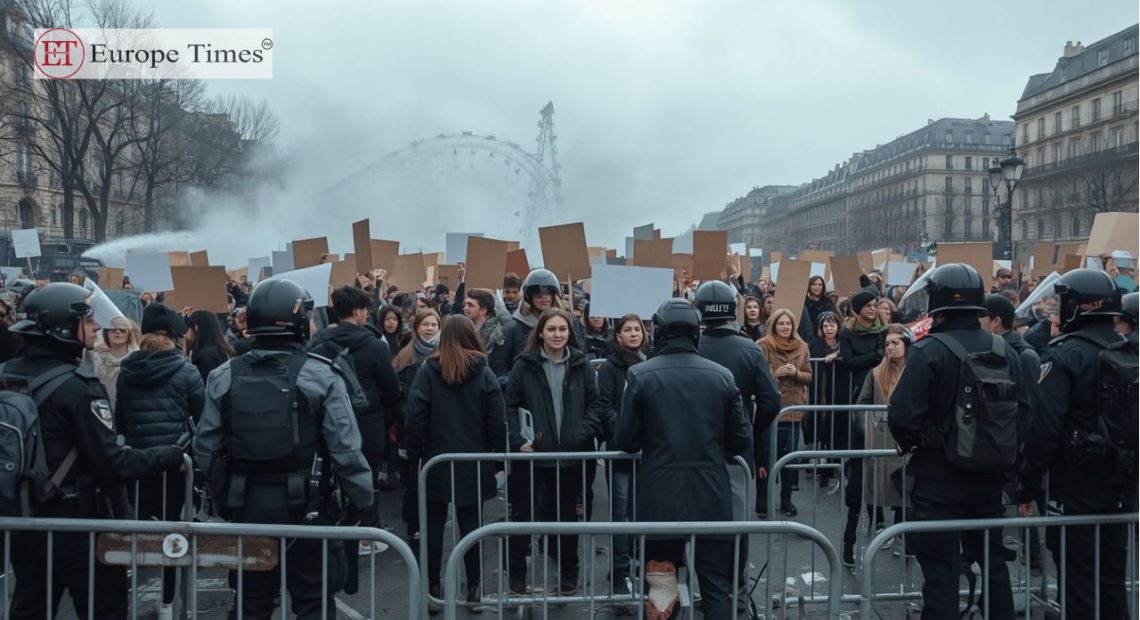
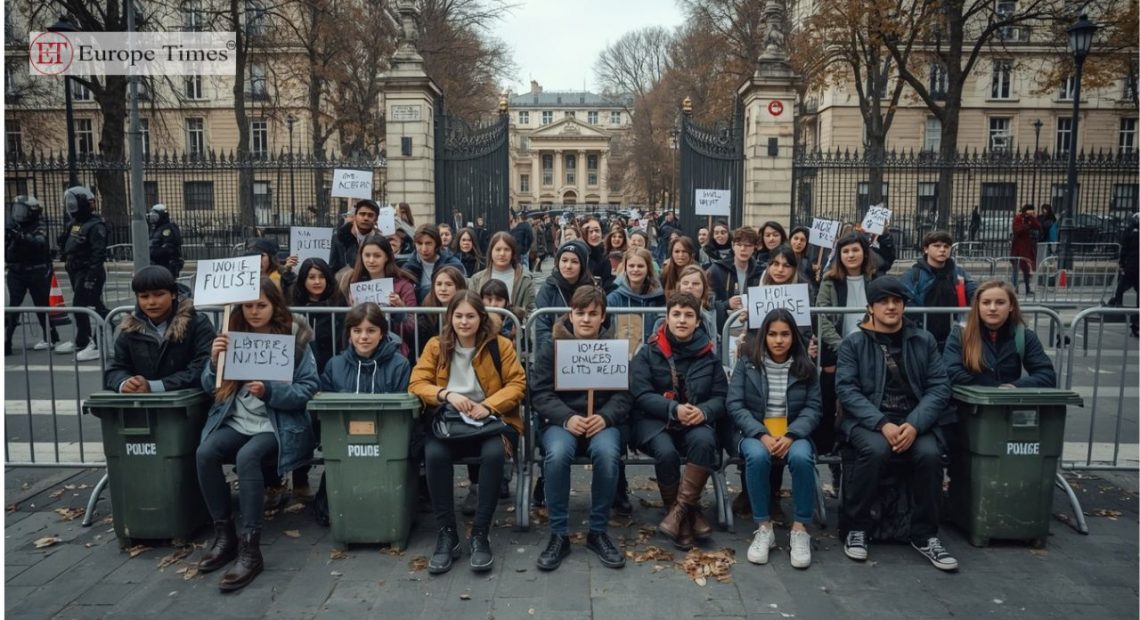
The French government is facing mounting public anger following the murder of 11-year-old Lyhanna, a case that has sparked nationwide protests and renewed scrutiny of the country’s handling of child sexual abuse cases. The main suspect had previously been accused of raping a minor in 2025, but prosecutors had not questioned him before his arrest in connection with Lyhanna’s disappearance and death.

Justice Minister Gérald Darmanin acknowledged a “terrible failure” by both the state and judiciary and ordered an investigation into how the case was handled. Prime Minister Sébastien Lecornu has also called for stronger child protection measures, tougher penalties for repeat offenders, and reforms aimed at improving support for victims and case management.

Critics argue the tragedy reflects deeper systemic problems within France’s justice system, including staff shortages, underfunding, and overwhelming case backlogs. Children’s rights groups say thousands of abuse complaints are not processed quickly enough, leaving vulnerable minors at risk. As protests continue across the country, pressure is growing on President Emmanuel Macron and his government to deliver long-term reforms rather than focusing solely on individual accountability.

Pic courtesy: google/ images are subject to copyright

featured News Trending

French Singer Patrick Bruel Questioned Over Sexual Assault Allegations

French singer and actor Patrick Bruel has been placed in police custody as part of an ongoing investigation into multiple allegations of sexual assault. Prosecutors in Nanterre confirmed that authorities are questioning the artist regarding accusations made by several women involving incidents that allegedly took place in France and Belgium between 1997 and 2012.

According to prosecutors, the investigation includes allegations of rape, attempted rape, sexual assault and harassment involving 13 alleged victims. French authorities can hold Bruel in custody for up to 24 hours, with the possibility of extending the detention for an additional 24 hours if required.

Bruel, one of France’s most successful recording artists, has strongly denied all allegations. In a social media statement last month, he said he had never forced, manipulated or drugged any woman and maintained that he had done nothing wrong. The investigation remains ongoing, and no charges have been announced at this stage.

Pic courtesy: google/ images are subject to copyright