
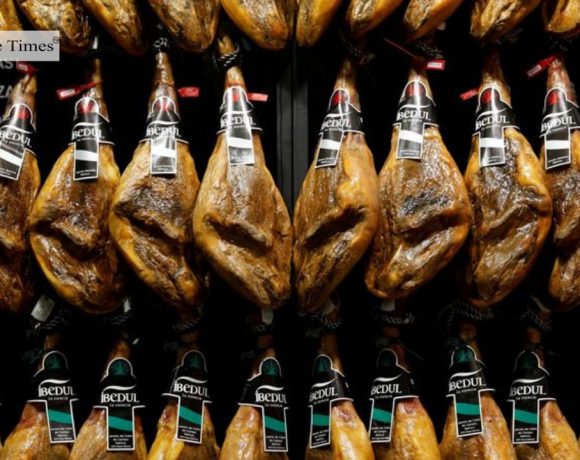
Spain has identified eight additional wild boar suspected of carrying African swine fever near Barcelona, according to local media reports, deepening concerns for the country’s multibillion-euro pork industry. While two cases have been officially confirmed, twelve more are undergoing laboratory tests, which could bring the total number of infected animals to fourteen. The Catalan government has sought assistance from military specialists to help contain the outbreak and prevent further spread.
The impact on Spain’s pork export sector—valued at €8.8 billion annually—has been immediate and severe. Around one-third of the country’s 400 export certificates have been blocked since the first outbreak was detected, marking Spain’s first swine fever cases since 1994. Agriculture Minister Luis Planas said efforts were underway to restore access to international markets and reassure trading partners of stringent safety measures.
Several countries, including Taiwan, China, the UK, and Mexico, have already imposed bans or temporary restrictions on pork imports from Spain, particularly from the affected Catalonia region. Although African swine fever poses no threat to human health, it spreads rapidly among pigs and wild boar, prompting swift global reactions to limit biosecurity risks tied to Spanish pork products.
Pic Courtesy: google/ images are subject to copyright