featured News

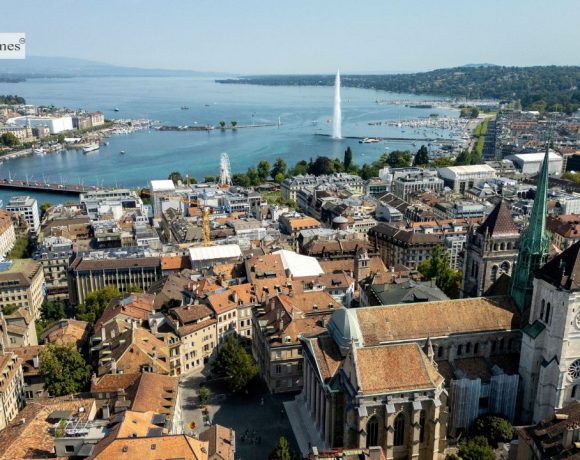
Swiss voters have decisively rejected a proposed 50% tax on inherited wealth exceeding 50 million Swiss francs, with 78% voting against the initiative—an even stronger rejection than opinion polls had predicted. The proposal, seen as a major test of public appetite for wealth redistribution, attracted significant attention from the country’s powerful banking and finance sectors. Despite global discussions on taxing the ultra-rich, Switzerland’s electorate reaffirmed its historically cautious stance on such measures.

The initiative was put forward by the youth wing of the Social Democratic Party (JUSO), arguing that taxing the very wealthiest families would help fund climate-related programmes. Supporters framed the proposal as a way to address economic inequality and rising concerns around cost of living in some of the world’s most expensive cities. The slogan, “The super rich inherit billions, we inherit crises,” captured their message but failed to resonate widely with voters.

Opponents warned that the measure could drive wealthy residents out of the country, ultimately reducing tax revenue and weakening the national economy. Switzerland’s government also urged voters to reject the tax, emphasising potential long-term risks to financial stability and competitiveness. The outcome reinforces Switzerland’s long-standing reluctance to adopt aggressive wealth taxation, even as other European nations push similar debates forward.

Pic Courtesy: google/ images are subject to copyright
featured News

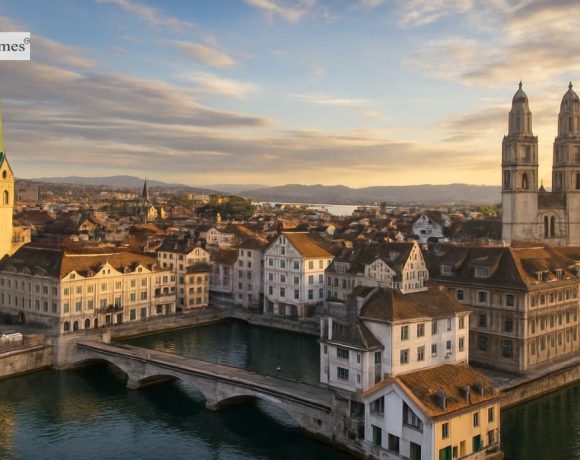
Switzerland will vote on Sunday on a proposed wealth tax targeting fortunes of 50 million Swiss francs ($62 million) or more, a move seen as a test of the public’s appetite for redistribution in one of the world’s richest nations. The initiative, launched by the youth wing of the Social Democrats (JUSO), calls for a 50% levy on ultra-large inheritances, with the revenue earmarked for climate-impact reduction projects. Swiss authorities estimate around 2,500 taxpayers hold assets exceeding 50 million francs, collectively worth about 500 billion francs.

Polls suggest the measure is unlikely to pass, with up to two-thirds of voters opposed, though analysts say the margin of rejection will signal how far Switzerland may shift toward wealth-distribution policies. Business leaders such as UBS CEO Sergio Ermotti have expressed concern, warning the outcome will indicate the country’s future economic direction. This comes amid rising living-cost pressures and previous voter approval of additional pension payments, reflecting growing financial anxieties.

Supporters argue that the super-rich contribute disproportionately to climate damage through luxury consumption, with JUSO leaders claiming the 10 richest families emit as much carbon as most of the population. Critics, including the Swiss government, fear the plan would drive wealthy residents out of the country and undermine tax revenues. Finance Minister Karin Keller-Sutter warned the initiative would harm Switzerland’s attractiveness, reinforcing the government’s call to reject it.

Pic Courtesy: google/ images are subject to copyright