featured News

The European Commission is poised to ease its 2035 ban on new combustion-engine cars, allowing up to 10% of sales to include non-electric options like plug-in hybrids and range extenders using CO2-neutral biofuels or synthetic fuels. This reversal follows intense lobbying from Germany, Italy, and Europe’s auto sector, including giants like BMW, Mercedes-Benz, Renault, Volkswagen, and Stellantis, as they grapple with competition from Tesla and Chinese EVs. The proposal requires approval from EU governments and the European Parliament.

This marks the EU’s biggest retreat from its aggressive green policies in recent years, with carmakers also urging relaxed 2030 CO2 targets and fines. The European Automobile Manufacturers’ Association (ACEA) has described the situation as “high noon” for the industry. However, EV advocates warn that diluting the 100% zero-emissions goal to 90% could erode investments and hand more market dominance to China.

To counterbalance, the Commission plans incentives for EVs in corporate fleets—which drive 60% of new car sales—potentially with local content rules and tax breaks for small EVs. Credits toward CO2 targets may also reward sustainable practices like low-carbon steel production, though the auto sector prefers incentives over mandates.

Pic courtesy: google/ images are subject to copyright

featured News

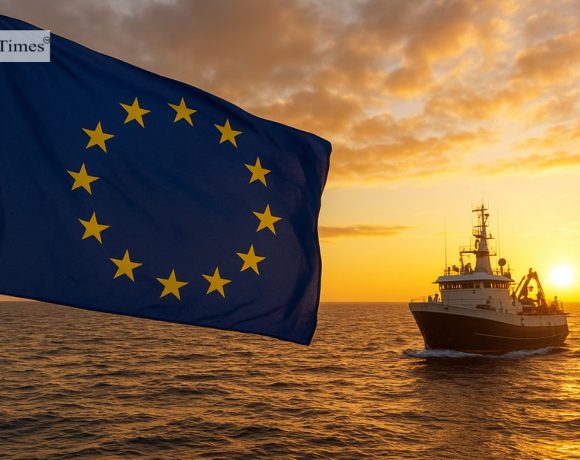
European Union fisheries ministers reached an agreement on fishing quotas for 2026, avoiding stricter limits previously proposed for the Mediterranean region. The deal was finalised after two days of negotiations in Brussels and was welcomed by Spain, which had strongly opposed a European Commission plan to reduce trawler fishing days in Mediterranean waters.

Under the agreement, Spain will be permitted 143 fishing days in 2026, broadly in line with current levels, instead of facing sharp cuts. While the European Commission had argued that reductions were necessary to ensure long-term sustainability, the final compromise balances conservation goals with the economic concerns of fishing communities. The quotas cover major fishing areas including the Atlantic, North Sea, Mediterranean and Black Sea, with some measures extending through 2028.

The deal includes mixed changes across regions and species, such as a more than 50% increase in catch limits for Norway lobster in the Bay of Biscay, alongside reduced quotas for common sole in the Baltic Sea to protect vulnerable stocks. Fishing vessels may also earn additional days at sea by adopting more sustainable practices. Denmark’s fisheries minister Jacob Jensen said the agreement reflects a balance between scientific advice and safeguarding fish populations, with the new rules taking effect from January 1.

Pic courtesy: google/ images are subject to copyright