
Doctors are often the quiet pillars of society — professionals who shoulder immense responsibility, make critical decisions under pressure, and devote their lives to healing others. Beyond prescriptions and procedures, they offer reassurance in moments of fear, clarity amid uncertainty, and hope when patients need it most. Their work extends far beyond hospital walls, shaping healthier families and stronger communities through dedication, skill, and compassion.
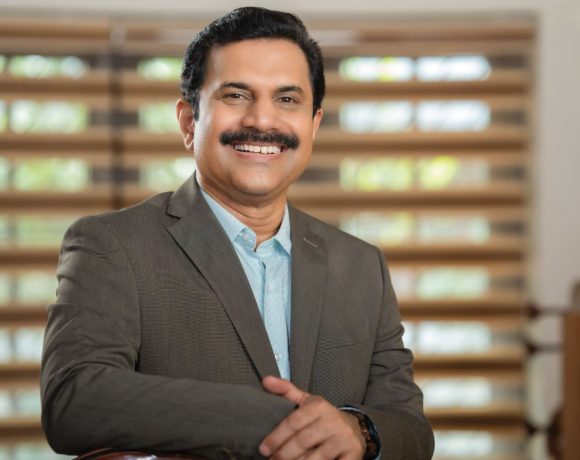
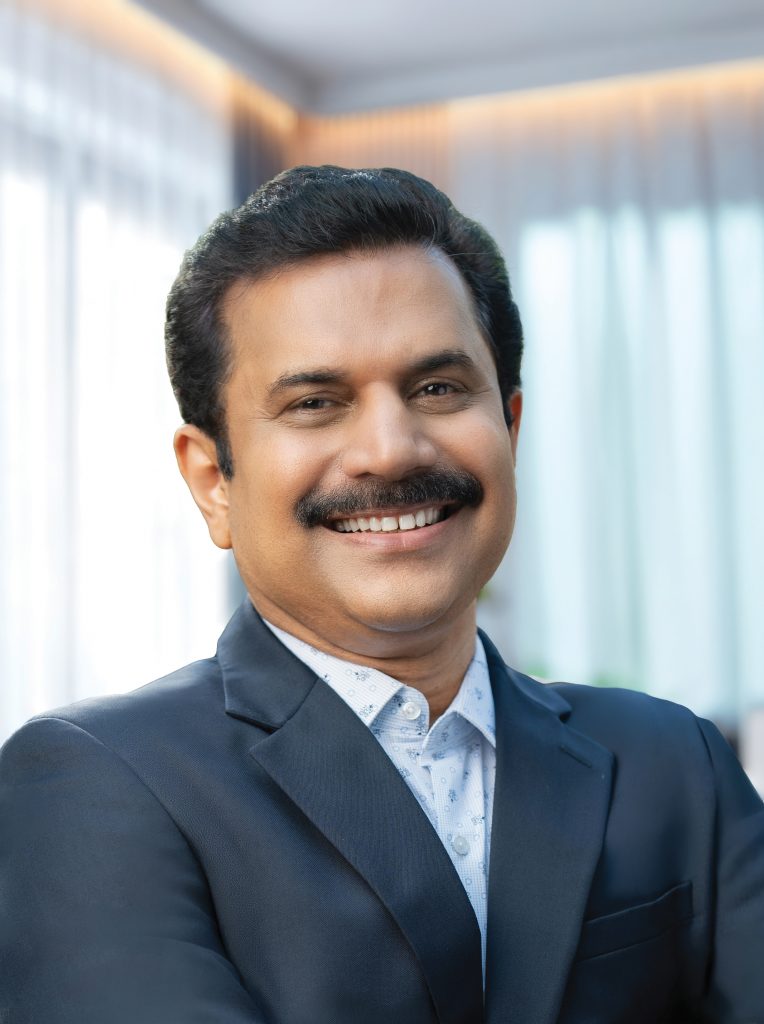
In this exclusive interview with Unique Times, we bring you the perspectives of one such accomplished medical professional whose career reflects excellence, commitment, and a passion for patient care — Dr. Vijaya Mohan, Consultant Orthopaedic Surgeon at the Centre of Excellence in Orthopaedics, Aster Medcity.
You’ve trained and worked across different countries and cultures. Was there a moment early in your career that truly shaped the kind of doctor you wanted to become?
I studied in a village school and grew up in a family of teachers. In that environment, the medical profession was regarded as one of the most respected careers. As a school topper, many of my teachers and family members encouraged me to pursue medicine—although a few also suggested civil services. Very early in my childhood, becoming a doctor was instilled in me almost as a romantic dream.
I still remember the mark scam that occurred in Kerala when I was in high school. Soon after that, the entrance examination system was introduced, which made the dream of becoming a doctor feel like a real and attainable possibility.
During my time at Thiruvananthapuram Medical College, I was actively involved in student union activities and served as the college union chairman. This role gave me the opportunity to interact closely with eminent doctors such as Dr. Joy Philip, Dr. Akber, Dr. Soman, Dr. Sivasankarapillai, Dr. Elikkutty, and many others. These personalities shaped not only my outlook towards medicine, but also my perspective on life itself.
Later, stalwarts in surgery—Dr. Haridas in Thiruvananthapuram, Dr. Mohan in Kollam, and Dr. Bhaskaran in Ernakulam—guided me deeply in the art of surgery and helped mould me into the surgeon I am today.
However, I strongly believe that the values I absorbed from my childhood in a pure village atmosphere—human relationships, simplicity, and empathy—have had the greatest influence on how I view the world and my fellow human beings. And undoubtedly, my alma mater, Thiruvananthapuram Medical College, played a crucial role in shaping my character as a doctor serving society.
Joint replacement surgery often gives people their mobility—and confidence—back. Is there a patient story that has stayed with you over the years?
There are many such stories, but a few stand out deeply. During one of our SSLC batch reunions, we learned that a classmate had been bedridden for nearly two years. When we visited her, I realised she was suffering from rheumatoid arthritis and was undergoing treatment through local traditional medicine. After a proper evaluation, we started her on appropriate medical treatment. Collectively, our batch arranged financial support, and I performed a bilateral total knee replacement for her. Today, she has returned to an active life and is living happily.
Another case involved a 40-year-old man who had suffered a severe motorcycle accident involving a pickup van. He sustained fractures in almost all his bones. Through multiple surgeries, we were able to achieve fracture union, and with a primary knee replacement, he regained mobility. Many who witnessed the accident were certain he would not survive.
Today, he is running a successful business, and his two daughters have completed higher education and are practising professionals. We remain in close contact.
There was also a 45-year-old woman who was found almost on her deathbed by a social worker. Her husband had deserted her, and she was suffering from untreated rheumatoid arthritis. She was brought to me from Thiruvananthapuram in an autorickshaw because she could not afford proper travel. I admitted her immediately, arranged financial support with the help of the hospital, initiated appropriate treatment, and performed a bilateral total knee replacement. She, too, returned to an active and happy life.
Another memorable case was a woman from Idukki with congenital deformities of both lower limbs. She had been bedridden or crawling for years. After a complex bilateral total hip replacement, she was able to stand and walk again.
Similarly, a man suffering from ankylosing spondylitis with both hips and spine completely stiff had lost his wife to cancer and had no one to care for him. After bilateral total hip replacement surgery, he regained his independence, remarried, and is now living a fulfilled life.
These experiences remind me that the greatest reward in medicine is not money or fame, but the profound impact we can have on human lives.
Robotic and computer-assisted surgeries sound very high-tech. How do you explain these advancements to patients who may feel anxious or overwhelmed?
Joint replacement surgery is essentially a combination of medical science, material science, physics, and mathematics. The artificial joints must be aligned accurately along the mechanical axis of the body and properly balanced for long-term success.
Robotics and machine learning are relatively new tools that help calculate and execute these alignment principles with greater precision, reducing human error. Innovations such as augmented reality, artificial intelligence, and machine learning are gradually being integrated into orthopedic surgery.
At present, these technologies are still in their early stages, but over the next decade, I believe they will significantly enhance surgical accuracy and patient outcomes.
Revision surgeries are often more complex and emotionally challenging for patients. How do you approach these cases, both surgically and emotionally?
Revision surgeries are usually required due to infection or aseptic loosening of previously implanted joints. These situations are extremely distressing—both physically and mentally—for patients. Apart from financial concerns, patients often struggle with morale and trust issues due to their prior experiences.
It is crucial to spend adequate time with such patients, patiently explaining the reasons for failure and the corrective measures available, while restoring their confidence.
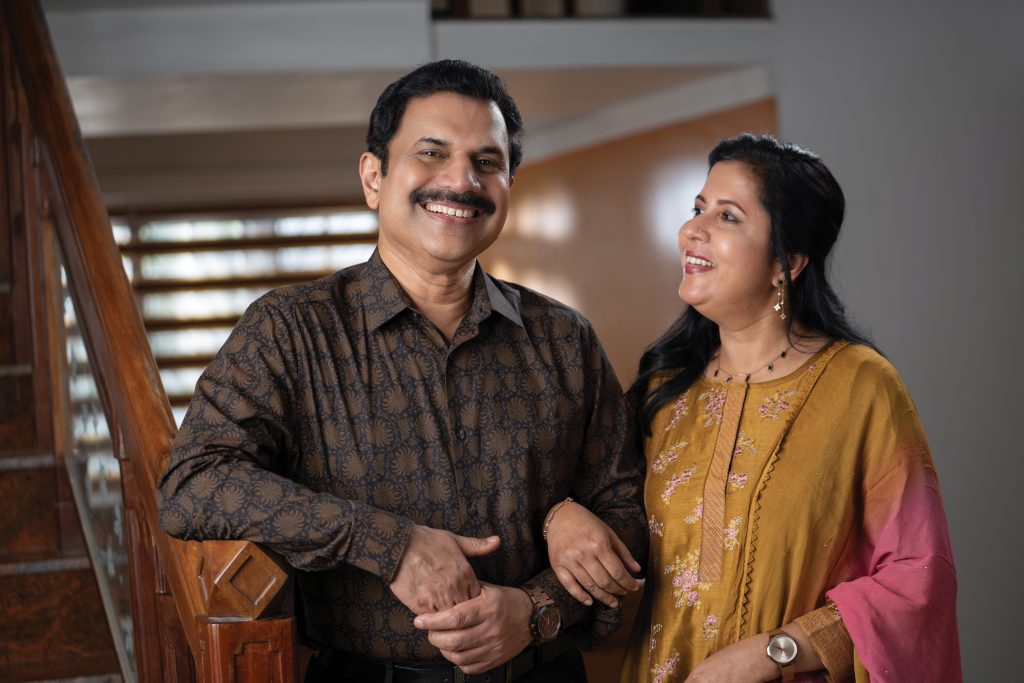
Dr. Vijaya Mohan with his wife
From a surgical perspective, revision surgery is not equivalent to a second primary surgery. Outcomes depend greatly on the surgeon’s experience and expertise. Only surgeons with adequate exposure to these complex procedures should undertake them.
You’ve worked in both public hospitals and world-class private institutions. What differences stood out to you, and what lessons did each environment teach you?
They are two very different worlds, yet in a country like ours, both must coexist in a complementary manner.
In public hospitals, quality often gets compromised due to overwhelming patient volumes, and the functioning of these institutions is heavily influenced by the geopolitical and financial status of the state. On the other hand, top-tier private institutions are able to deliver the latest advancements in modern medicine to the populations they serve.
This is a vast subject, but I strongly believe that a cohesive approach—possibly through public-private partnerships or cooperative sector models—can help ensure that the benefits of both systems reach the wider public.
Teaching and mentoring seem to be close to your heart. What do you enjoy most about training young surgeons?
I strongly believe that a good doctor must also be a good teacher. A doctor’s role extends beyond treating disease; it includes guiding and educating the public towards a healthier life.
When training juniors, we must pass on the guidance and values that our own mentors imparted to us. The best teacher, in any field, is one who produces capable and ethical students. If young doctors trained under us feel inspired and see us as role models, then I believe we have succeeded both as doctors and as teachers.
Surgery is a high-pressure profession. How do you personally handle stress and stay focused in the operating theatre?
I respectfully differ from the notion that surgery must be inherently stressful. When one chooses a profession with passion and dedication, stress transforms into engagement and fulfilment.
This applies to any profession. To reach the highest levels, hard work and perseverance are essential. Complaining about stress during this process, in my view, reflects a mismatch between expectations and commitment.
In surgery, proper training and a supportive institutional environment with adequate facilities and manpower are crucial for maintaining balance. When compromises are made—whether in passion, work ethic, environment, or intent—stress inevitably follows.
Stress is a part of life. Accepting it, and even learning to enjoy it, is the best way to overcome it.
Outside the hospital, how do you unwind and recharge after long or demanding days?
I enjoy travelling, reading, and listening to music. Travelling broadens one’s perspective and shapes personality. Long drives accompanied by soft music are particularly refreshing for me.
My reading interests include human evolution, history, Indian culture and civilisation, sociology, and human psychology.
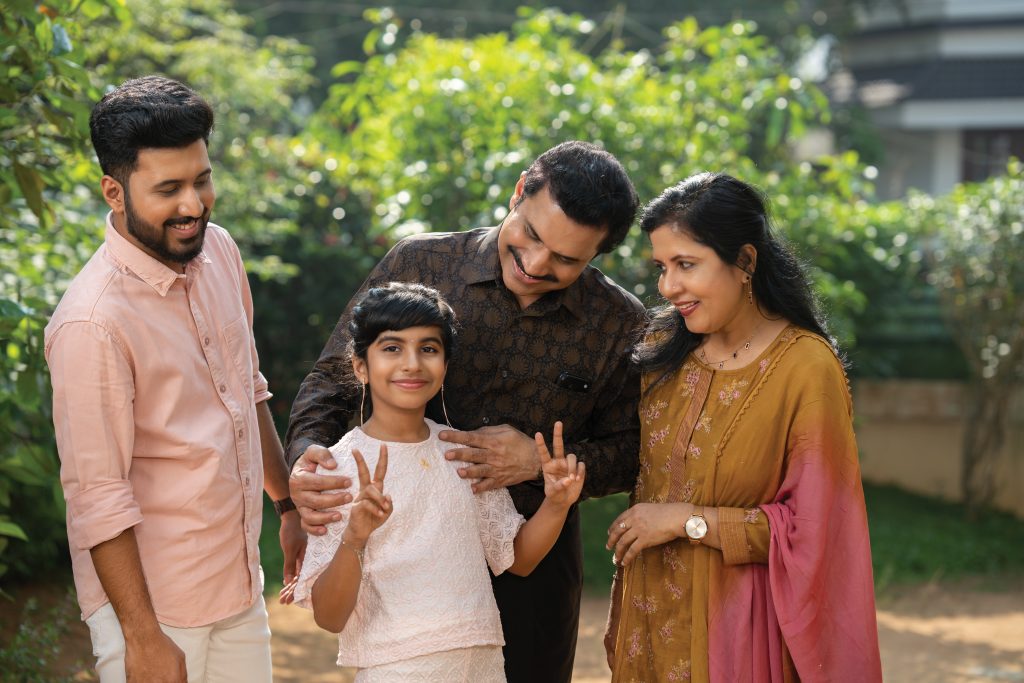
Dr. Vijaya Mohan with his wife and children
You’re often invited to speak and perform live surgeries internationally. Do you still feel nervous before these sessions, and how do you prepare?
Live surgeries are inherently stressful, regardless of experience. One feels as though they are standing in an open arena under constant observation.
I appreciate the recent move by medical councils to ban live surgery conferences, as each patient presents unique challenges. Deviations from a pre-planned course can increase stress and potentially affect performance, which may have consequences for patient safety.
When I do agree to live or deferred-live surgeries, I ensure that I perform procedures I am routinely comfortable with. I avoid demonstrating new techniques or unfamiliar technologies in such settings.
Medicine is evolving rapidly with technology. What excites you the most about the future of orthopaedics?
Orthopaedics is a skill-intensive specialty that integrates engineering principles, metallurgy, and biomechanics. Advancements in these fields naturally influence orthopedic treatment.
Emerging developments such as artificial tissues, bone substitutes, stem cell therapies, computer navigation, robotics, augmented reality, and machine learning are reshaping the field. While we have solutions for most musculoskeletal conditions today, not all are 100% successful.
Future innovations will likely improve success rates and patient experience. The ultimate goal is faster personal, social, and vocational rehabilitation, enabling individuals to regain quality of life as early as possible. I believe we are moving in the right direction.
Looking back, were there any setbacks or difficult phases that played a crucial role in shaping your career?
Yes, definitely. Without naming individuals, I faced serious professional setbacks and opposition, often stemming from jealousy or insecurity in others. Early in my career, these experiences affected me emotionally.
However, as stated in the Bhagavad Gita, every experience serves a purpose. In hindsight, I realise that these challenges shaped my personality and resilience. Today, I am grateful for those experiences, as they contributed to the fulfilment and balance I now enjoy in life.
If you weren’t a surgeon, what other path do you think you might have chosen—and why?
I might have ventured into politics or the film industry. I enjoy scripting, directing, and acting in short plays, which I continue to do during hospital and professional association events. It serves as a creative outlet and stress reliever.
Politics also interests me deeply. I believe many of our political challenges stem from an education system that channels academically strong students exclusively into professional careers, while leadership and governance often fall to those without adequate preparation. However, I am encouraged by recent changes in Indian society, where more professionals and intellectuals are entering politics. I am confident this shift will contribute to India reclaiming its rightful global standing
Pic Courtesy: pegasus/ images are subject to copyright