
Spain’s Commitment to Renewable Energy Faces Growing Doubts
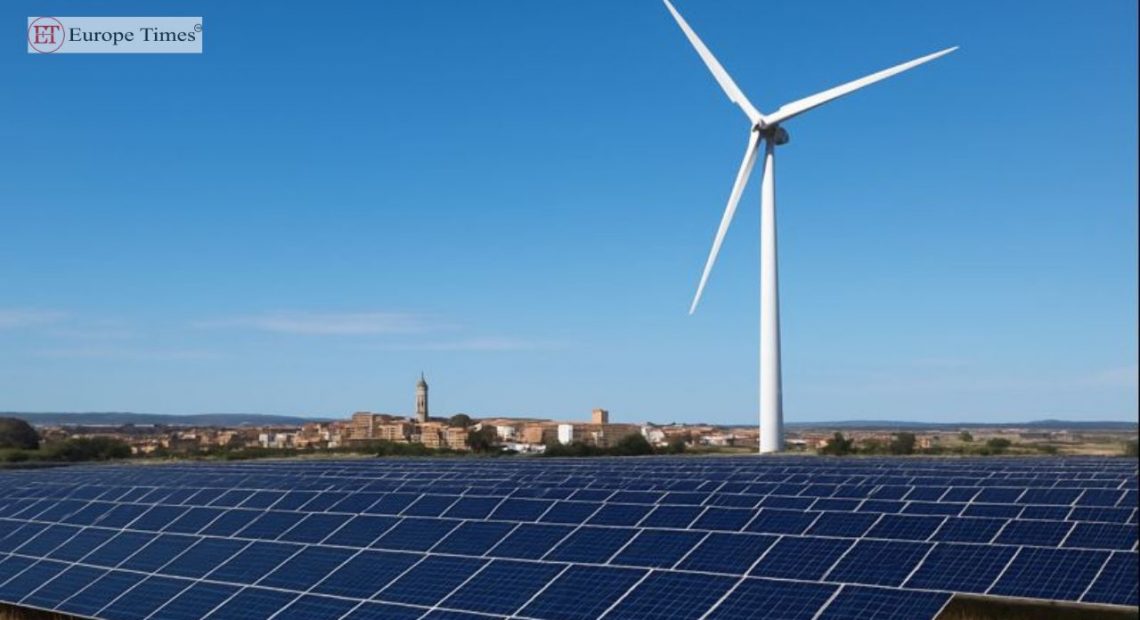
Spain has emerged as one of Europe’s renewable energy leaders, now generating over half of its electricity from wind and solar power. Regions such as Aragón, dotted with wind turbines and solar farms, symbolise this transition. The shift has also attracted major foreign investment, including a €4bn battery factory near Figueruelas backed by China’s CATL and Stellantis, reinforcing Spain’s reputation as a clean energy hub and supporting the government’s goal of sourcing 81% of electricity from renewables by 2030.
However, Spain’s strong commitment to renewables has recently been questioned following a major blackout in April that affected large parts of Spain and Portugal. While opposition leaders blamed an over-reliance on green energy, the government and grid operator Red Eléctrica denied any direct link, citing technical anomalies and unresolved system issues. Despite this, Spain has since leaned more on natural gas, fuelling debate over whether the country’s energy mix is sufficiently balanced.
The controversy has revived calls to rethink plans to shut down Spain’s nuclear power plants between 2027 and 2035. Nuclear industry leaders and opposition parties argue that nuclear energy provides stability alongside renewables, especially when weather-dependent sources fall short. With political uncertainty growing and the possibility of a change in government, Spain’s long-term energy strategy now stands at a crossroads, even as renewable-driven investment continues to transform local economies like Figueruelas.
Pic courtesy: google/ images are subject to copyright